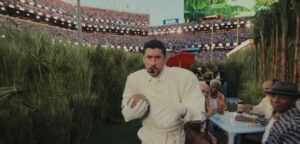
February not only marks Black History Month, but also a moment for listeners to sense a repetitive beat within the music industry. Following Bad Bunny’s Super Bowl Halftime Show, a conversation sparked across social media questioning whether political expression could soon become more of a career risk for artists.
Performers from the past like Eartha Kitt, Paul Robeson and Harry Belafonte were blacklisted because of their outspoken anti-racism activism, and their stories fueled movements like the Black Arts Movement which celebrated Black accomplishments.
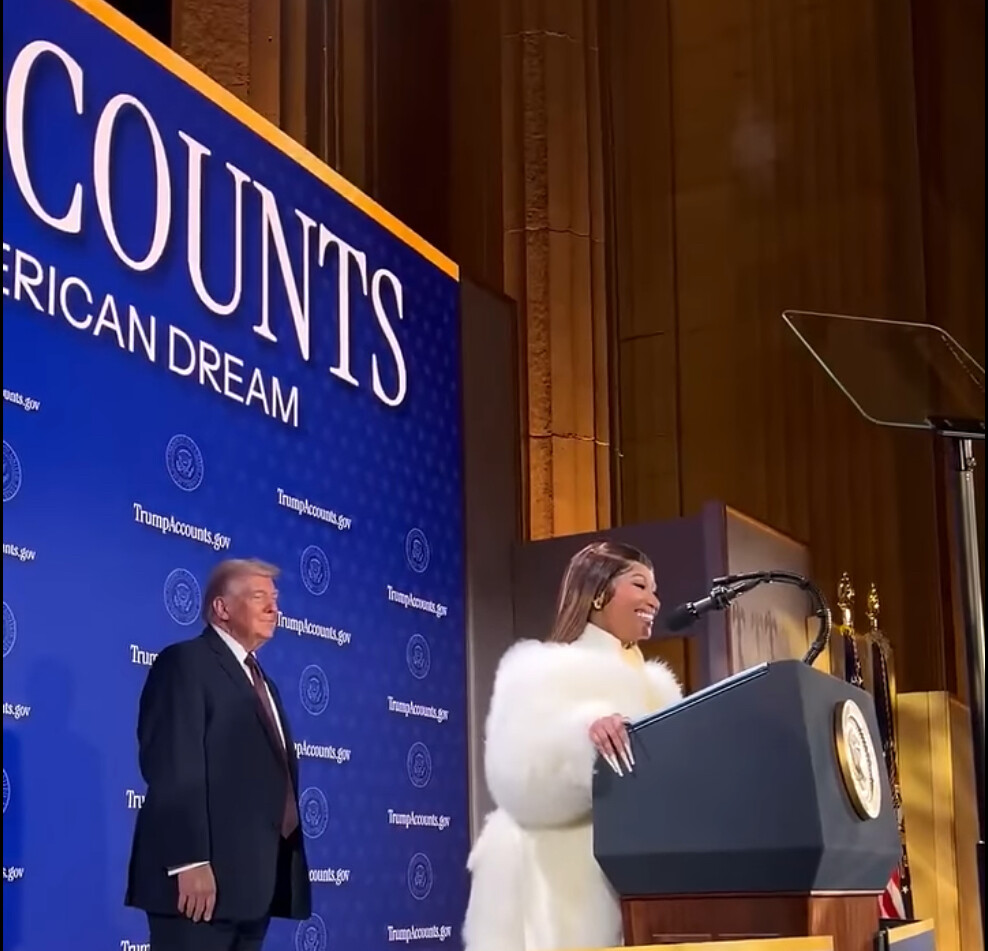
Rapper Nicki Minaj experienced a loss of millions of followers on Instagram within a day after her participation in a Turning Point USA event with Erika Kirk and remarking on her support for President Donald Trump. Minaj deactivated her account soon after.
In witnessing the negative result of speaking in favor of Trump or even holding neutral views, a low hum of doubt clouds over an artist’s motives. Viewers can see this as a clear picture of the music industry as a business and audiences as consumers.
Sidney Madden, a music and cultural critic, noted how music of oppressed people continues to become monetized.
“The entities that are making money off music have something to gain by the scales of power being tipped in their direction,” Madden said. “We’ve seen music go from being an art form for enjoyment and cultural release to being something that is commodified and given all these awards.”
This beat might feel repetitive because artists expressing their beliefs and garnering an audience is not groundbreaking. From Bob Marley to Tupac Shakur, who wrote about social justice and police brutality, a story is told from the relationship a musician builds with the state of the nation.
Madden pointed to singer Kehlani and emphasized the naturalness of weaving activism into her work.
“She’s not just speaking up because that’s what’s trending right now,” Madden said. “The people who do speak up don’t see it as a risk to their individual career, but as a risk to humanity.”
On Feb. 1, multiple artists utilized the Grammy stage to speak out against the United States Immigration and Customs Enforcement (ICE) while others were already doing the same prior to the event. Days before, TikTok users shared group chat screenshots allegedly belonging to Taylor Swift fans where they were threatening Billie Eilish for her stance against the Trump administration.
Dan DiPiero, a musician and assistant professor of music, musicology and ethnomusicology at Boston University, said he doesn’t see this as a polarizing phenomenon but a resurgence of white power politics coming back into the mainstream.
“You don’t see people like Bad Bunny out there calling for conservative country music artists to have violence done against them,” DiPiero said. “The institutions that govern this country are implicitly conservative leaning, and it’s always been a tough sell to point that out.”
Even when thinking beyond the red carpet and stadiums, the election stage annually becomes a prominent time for fans to find out where their favorite apolitical artists stand politically.
Taylor Crumpton, a freelance music, pop culture and politics writer, mentioned how politicians use the faces of artists to gain the trust of their fans. In turn, artists are forced to consider their legacies.
“For artists like Beyoncé, Democratic candidates will try to get her to turn Texas blue,” Crumpton said. “As for the artist, they’re trying to make an educated chess move that will not alienate them or hinder them from producing music for other markets.”
It all comes back to what many audiences crave most from artists: authenticity. Social media and influencers are typically the main news outlets for Generation Z and Alpha, and from their standpoint, music is as political as it gets.
Singer-songwriter and Howard University alumna Consuela Watts expressed the importance of artists being candid with their fans.
“There is so much inequality and exploitation happening in the world,” Watts said. “Artists don’t have to preach or control what people think, but they can encourage awareness, empathy and dialogue.”
Faith Harper covers culture, lifestyles and trends for HUNewsService.com.