
For the past 10 years, Rafiq Robinson has spent every Easter Monday at the National Zoo in Washington, D.C., for the annual African American Family Day events. “I have participated in everything from the Easter egg hunt, to concerts,” Robinson said Monday in an interview at the zoo. “It’s a great event to educate our family and friends on black history.” This unofficial holiday has been a Washington area tradition since 1997. It began in 1891 when African American families would gather at Rock Creek Park to hold Easter egg hunts and fellowship. There is no one clear answer for why the event at the zoo started, “but there are many theories,” Matt Olear, media relations manager for the zoo, said in an interview. “One theory is that in the early centuries, African American families were not invited to the White House Easter egg hunt,” Olear said. “A second theory is that most of the African American community would work on Easter Sundays and they would have Mondays off, so this was the only day they would celebrate a day of rest and relaxation with family and friends.” In the 1990s, the community tradition became a formal event. The National Zoo and the Friends of the National Zoo (FONZ) decided to offer fun and educational activities. Since then, it has evolved and about 20,000 people participate every year. This is the first year National Zoo created a joint project with the Smithsonian Institution National Museum of African American History and Culture to celebrate and document the tradition of the African American community in the Washington area. Though the event started more than 100 years ago, “it has not been well documented. This year however, we hope to document more from the previous years,” Olear said. This year’s theme was “Remembering.” The museum is working toward preserving cultural material from the African American communities. “This event will educate our children on documenting materials such as photographs and journal excerpts,” said Esther Washington, director of education for the museum. Some of the educational activities include how to preserve family pictures by scanning photos for the museum’s photo collection. For Brenda Devrovax, a D.C. resident for 30 years, Monday marked her first experience at the Zoo for the historic event. She brought her grandniece and grandnephew to the family celebration to teach them community and cultural values. “I want my family and generations after to gain an experience of African American history from traditions of Easter Monday,” Devrovax said. There were more than 40 free public activities for families to participate in throughout the zoo. The activities begin in the Great Meadow where most of the children’s activities were held such as the Easter egg hunt, story-telling and arts and crafts. They continued toward the bottom of the path at Lion/Tiger Hill where most performances and concerts take place. With all the activities, there were numerous booths located throughout the zoo to educate young African Americans about life skills and in involving themselves through education and drug- and violence-free activities. Joan Thompson, of the Alliance of Concerned Men, has been teaching during the festivities for the past five years. Although she is part of the event, she still brings her niece and granddaughter to the zoo. “This event educates the children about our history, about where we come from and how they can relate to the past,” Thompson said Monday. “It also unifies black families and it’s fun for all ages.”
Families Gather at the National Zoo on The Day after Easter



Latest from News

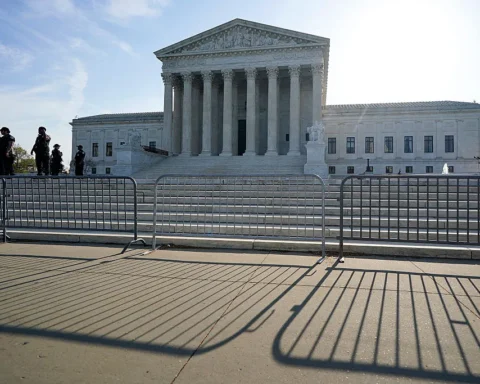
Redefining Realities: The Supreme Court Hears Trump v. Barbara Oral Arguments
WASHINGTON (HUNS) — On his first day back in the Oval Office last January, President Donald…

The Covid Effect: How Essential Workers are Faring Five Years Later
Five years after Covid-19 upended daily life, the effects are still shaping our communities. As Washington,…
Go Fly A Kite: The Blossom Kite Festival highlights Cherry Blossom Festivities in DC
Springtime in the nation’s capital brings one of the city’s most iconic celebrations back to the…

No Kings Since 1776: The DC “No Kings” Protest is Back and Twice as Large
More than 8 million people across all 50 states took to the streets in protests in…
Birthright Citizenship on Trial: What’s at Stake in Trump v. Barbara
When the 14th Amendment was ratified in 1868, it was meant to answer a question the nation had…