How One Supreme Court Case Has Major Implications For Mississippi Midterms
By DJ Harding
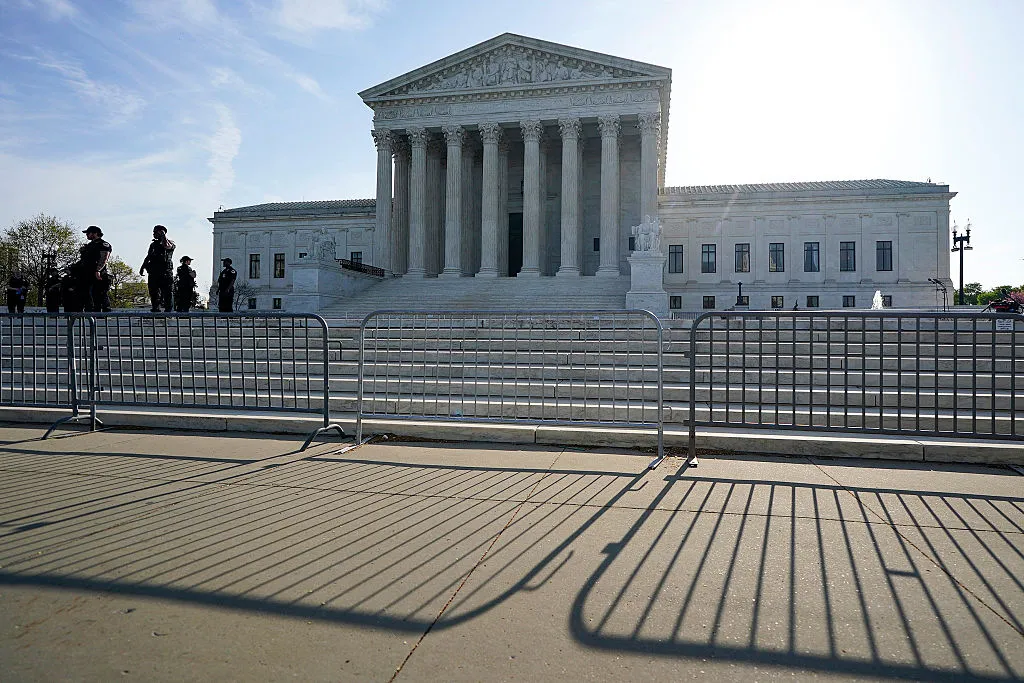
As Midterm elections are fast approaching the Supreme Court on March 23, 2026 argued a pivotal question. What makes a ballot final?
What Is The Case About?
In the case of Watson v Republican National Committee an absentee voter law regarding accepting absentee ballots up to five days after the election.
A group of plaintiffs sued Mississippi stating that federal Election Day statutes preempt the state’s absentee voter law. The particular claim that was made by the plaintiffs is that accepting that ballots up to five days effectively extends the day set for “the election” in federal law.
The Argument
Mississippi Solicitor General Scott G. Stewart was the first to speak during the argument defending the Mississippi law.
“You still make the choice on election day” General Stewart said in defense of the five day rule.
When questions by the supreme court justices many questions were asked. Most of the questions were about the law itself, how many days is the correct limit for post ballot collection deadlines. As Supreme Court Justice Ketanji Brown Jackson said “A lot of questions about policy.”
One question in particular that was asked regarding the phrase Election Day
“If you look at the phrase Election Day what do you take away from that?” The justices asked General Stewart then with the ballot rule the idea of election month or election months was thrown around since the results wouldn’t be final or all ballot collected wouldn’t be final on Election Day
Another issue rose with recalling ballots that came with the question “ Do you consider a ballot final if you can recall it?”
After Solicitor General Scott Stewart 30 minutes concluded representing the other side was Mr. Paul D. Clement who then gave a statement before his portion of questioning began.
Clement’s argument focused on the deadline saying people won’t know who won on Election Day remarking “who won? We don’t know because the votes are still coming?”
Clement also mentioned how “Congress could’ve made it easier, but they didn’t.” Speaking to the fact that election rules are primarily left up to the states.
Clement also shared a fact that “You have 8 states that don’t require postmarks.”
But Clement during his time made his argument very clear
“Our argument is that ballots should be final on Election Day.” Clement also mentioned ballot receipts “I’m focused on ballot receipt because that’s the main issue here.”
Clement also claimed that American in the past would be shocked by the ballot rule of Mississippi
“ If the people in 1872 learned that you could receive a ballot up to 21 days after the election. They would think you’re talking about a different country.” Clement said
Clement only spoke for 20 minutes compared to the the 30 of Mr.Stewart as the remaining 10 went to Solicitor General D. John Sauer supporting Clement and the respondents
General Sauer along with Clement focused on the practices of the 1900s vs today’s practices.
General Sauer was asked about the focus on the 1900s; he replied “1900s have the best interpretation of the states.”
The justices brought up the issue of early voting. As Clement and General Sauer argued the deadline many justices mentioned if everything would happen on Election Day what does that due to early voting.
Overall the argument comes from two different perspectives and as said during the argument “It’s about your definition of Election Day.”
What was agreed on by both sides was the casting of the vote and the receiving of the vote are two different things which begs the question
What makes a ballot final?
D.J. Harding is a reporter for HUNewsService.com.