This is an opinion piece by a Hilltop columnist.
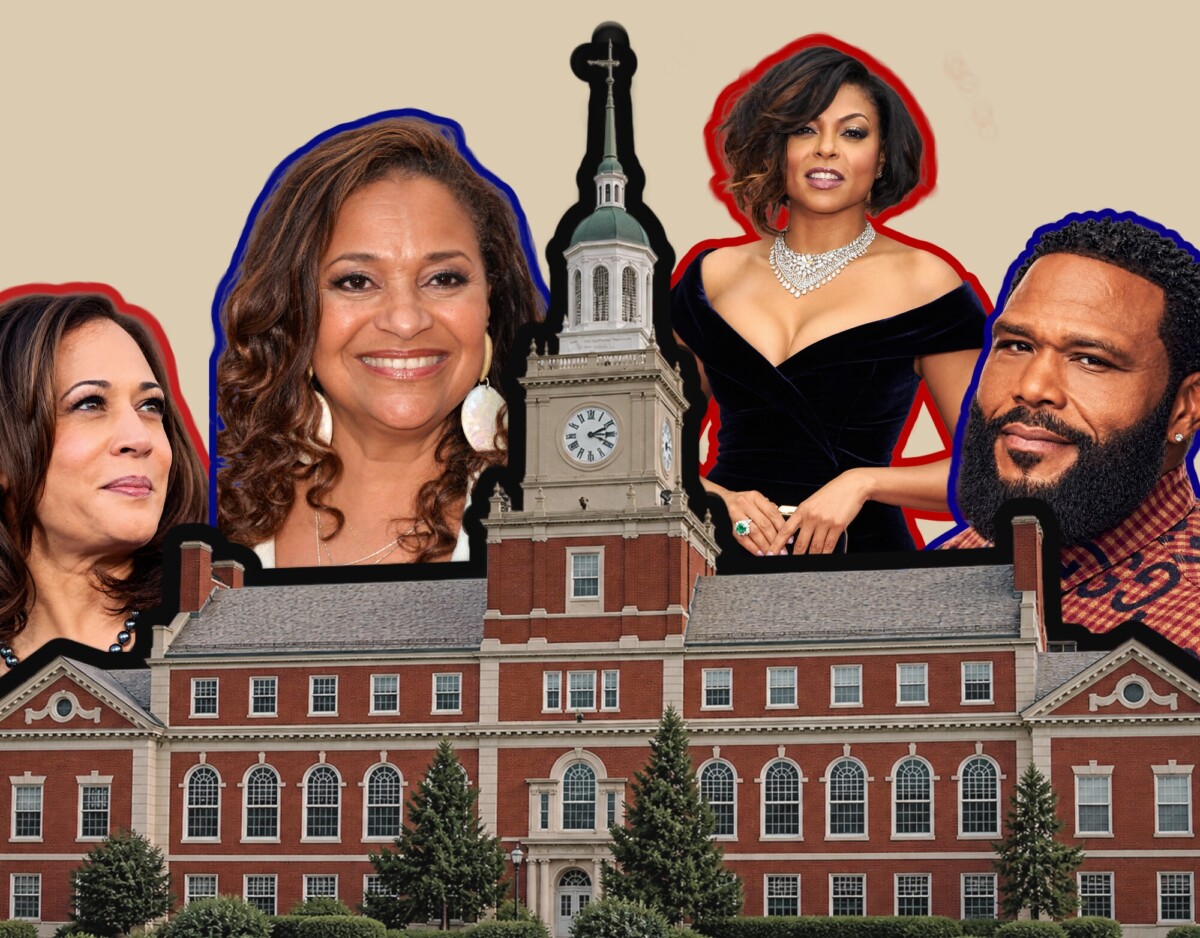
Every October, Howard alumni return to The Yard, filling it with laughter, stories and memories. Homecoming serves as a celebration and a welcome back for those who have moved beyond their years as students. But beyond the festivities, how do students feel alumni show up for them while they are still at Howard?
As someone approaching alumni status myself, I believe the large alumni network could show up for the current student body in more visible and meaningful ways. While alumni already support Howard through donations, reunions and university initiatives, students could benefit from more direct, accessible and consistent support, including personal mentorship, financial assistance and housing resources.
With access to these tools, pathways throughout college into post-graduate opportunities may be easier to secure. This allows students to focus on other aspects of school such as extracurriculars, networking and academic success.
Students that have access to personal alumni networks in certain states and those who have alumni in their family, seem to have more active alumni connections. Students who do not have personal connections do not have the same experiences.
As tuition rises each year, so does the financial burden placed on students. While financial assistance is useful, alumni can contribute more by providing networking opportunities and mentorship to current Howard students.
That support could look like alumni returning to campus to host mentorship programs and professional development workshops, offering resume and interview guidance, connecting students to internships and job opportunities or simply creating spaces where students can ask honest questions about life after Howard.
Alumni could also play a greater role in advocating for current students, particularly by pushing for stronger student representation and accountability within the university’s leadership, including the Board of Trustees.
Alumni have already navigated many of the same challenges students are experiencing now, which gives them a unique ability to provide guidance that feels practical and personal. If Homecoming is about celebrating the legacy of those who came before us, alumni engagement should also be about investing in the students who are carrying that legacy forward.
Alumni status is a title I will earn soon, and I have already begun thinking about how I want to show up for students.
When I succeed in my field and have the means to give back to Howard, I want to create scholarship networks that provide direct financial support for students. Financial insecurity remains a significant challenge for many students, and even modest, consistent assistance can make a meaningful difference.
Alumni show up heavily for high-profile events including Homecoming, but they still lack relationships with students dealing with day-to-day needs.
Last year, during Howard’s 101st Homecoming celebration, alumni and administrators celebrated the progress of the university. They discussed renovated classrooms and dorms as well as housing and neighborhood developments through Howard real-estate projects.
While it is true that Howard has made visible progress in campus development and infrastructure, these improvements have not fully addressed the everyday needs of students who are concerned with limited and expensive food options, disappearing off-campus businesses, fewer bookstore resources and a lack of study spaces.
There is no denying the accolades of Howard alumni.
Thurgood Marshall served as the first Black Supreme Court Justice; he graduated from Howard University School of Law in 1933. Toni Morrison, a 1953 graduate, was a Nobel and Pulitzer Prize winning novelist. It is these accolades that give current students the lofty aspirations and pathways to potential they may not have thought of without these alumni examples.
But how do we close the everyday gaps students face alongside the impressive things alumni have done to generate these successes?
Alumni embrace Homecoming every year, remembering what student life meant for them. Students feel a gap between what we see and what is being done for us year after year, and while alumni have notably tried to create these pathways in large gestures, more can be done financially and career-wise for students to feel supported.
Donating to the university is wonderful, but finding ways to help the next class of alumni may be even better. Perhaps in the future we can start to bridge the gaps between students and alumni, and Homecoming is the perfect place to start that new tradition.
Copy edited by Jori Johnson