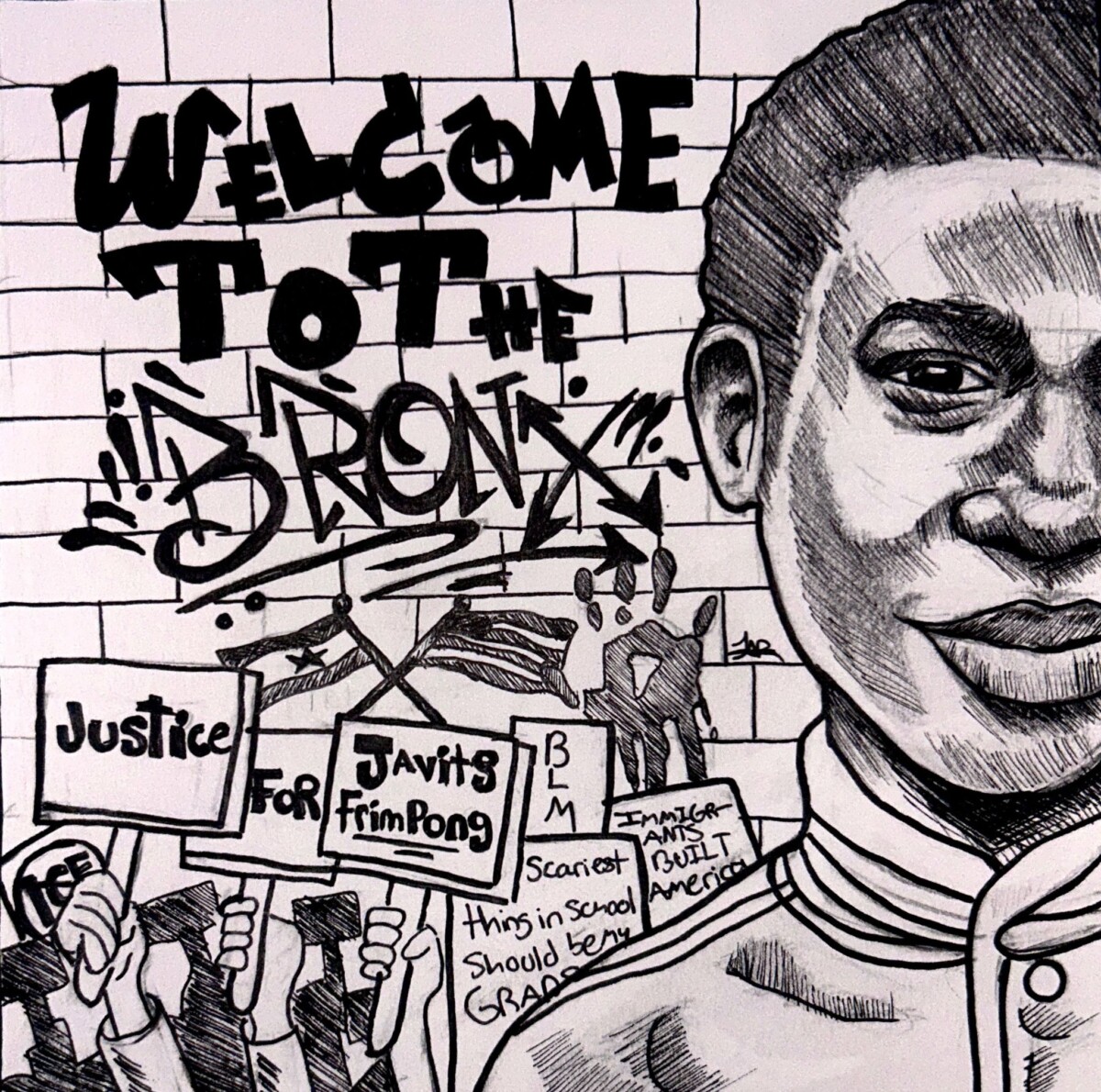
Howard University’s African student-led organizations held a vigil honoring Javits Frimpong, a 15-year-old Ghanaian-American killed in the Bronx, while raising awareness about bullying and xenophobia.
Frimpong moved to the United States with his father in October 2025. Just over a year later, the teenager was shot and killed on his way to school. Conversations surrounding his death brought attention to some of the challenges that some African students may face when moving to a different country.
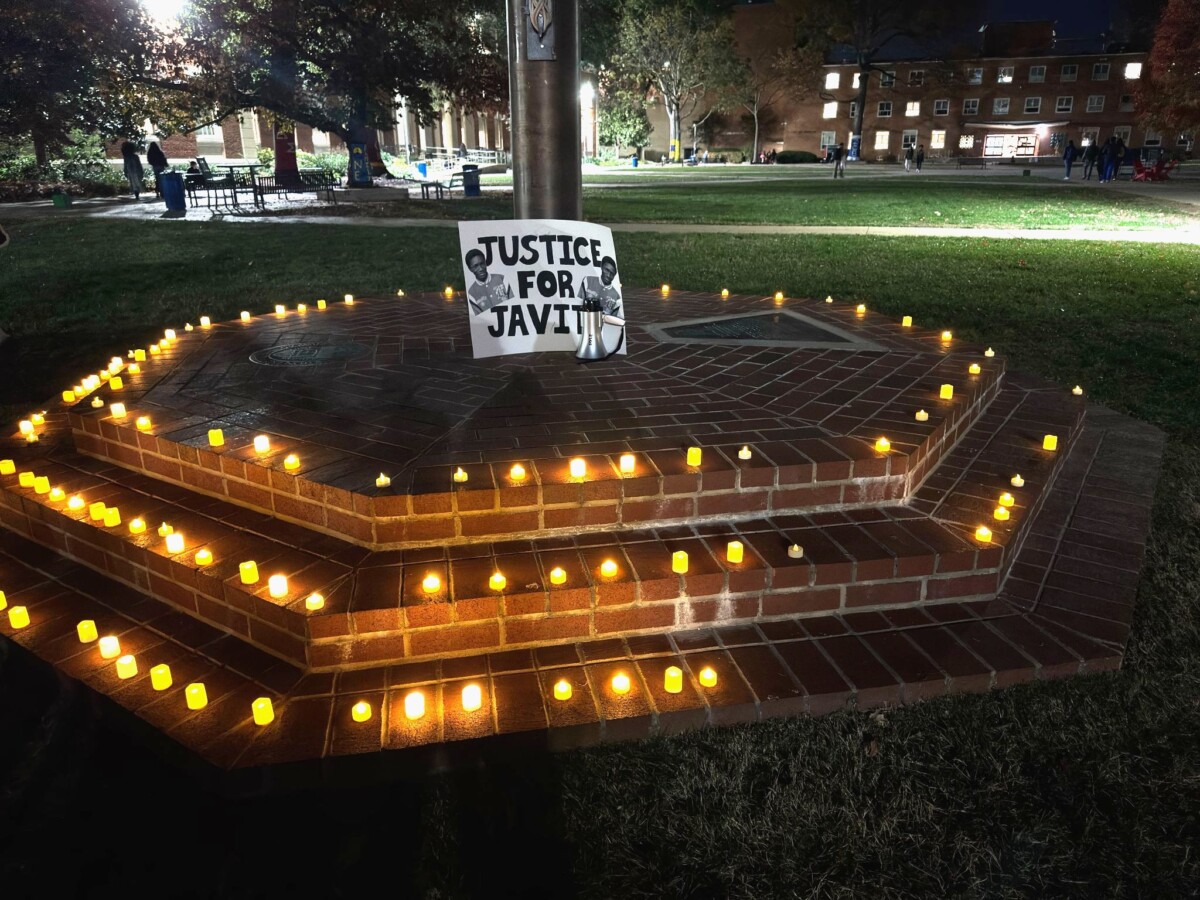
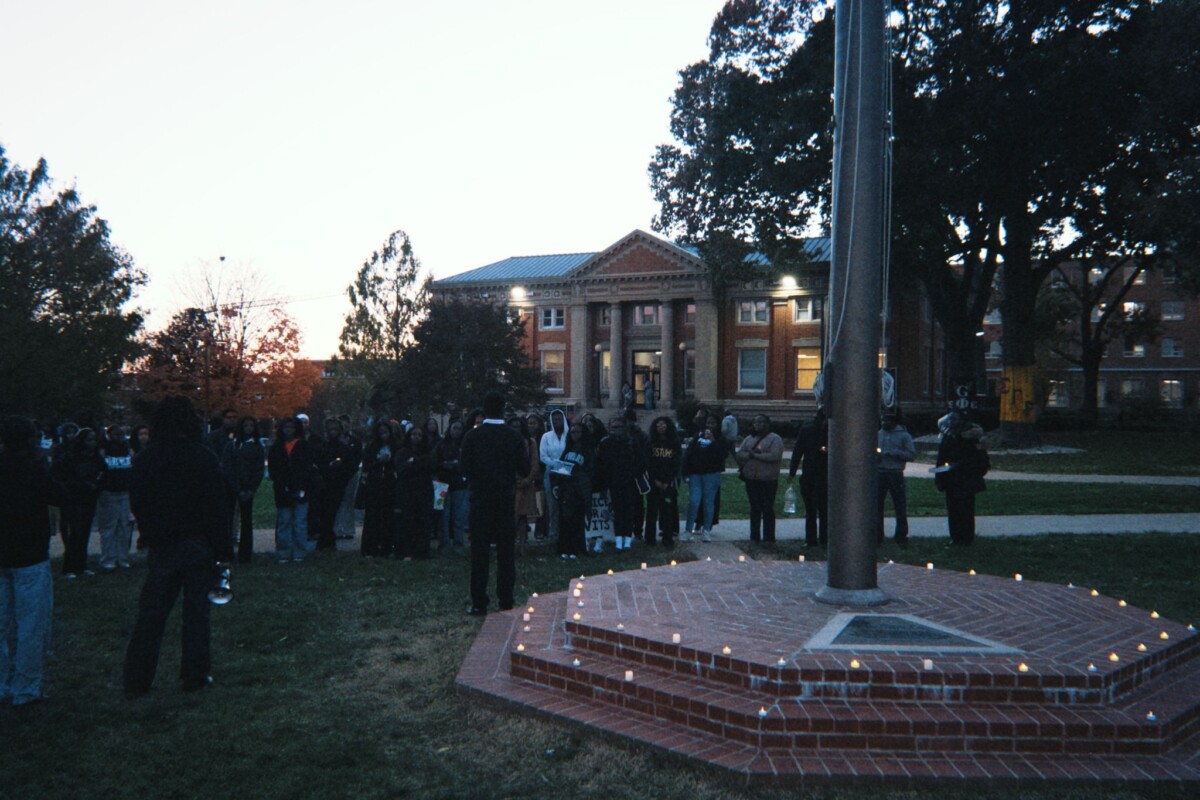
On Nov. 10, Howard University’s Nigerian Student Organization (NSO), African Student Association and Ghanaian Student Union hosted a vigil in his honor to help bring attention to those challenges.
“A young life filled with promise, dreams and endless possibilities has been taken far too soon,” said a statement posted by the African Student Organizations of Howard University.
The organizations asked students to meet at the flagpole on The Yard to honor and support Frimpong and his family while also calling for change. The vigil consisted of speeches from students and professors, along with a candle lighting in his honor.
Chelsea Osei, a junior political science major from Joliet, Illinois, opened her speech with a reading from one of Frimpong’s journal entries shared by his family.
“‘Anything that is positive is important to me but the most important is worship and God…’ these are the words by the celebrated and loved Javits Frimpong,” said Osei.
NSO Vice President Abedoyin Abimbola, a junior political science major from Brooklyn, who organized the vigil, said she wanted to make a TikTok video after learning of Frimpong’s death but was too emotional. Instead, she posted a video to her private Instagram story where other African students shared her emotions about the case.
“I realized many of us needed a space to express how we felt,” she said.
Abimbola shared her own experiences with bullying and xenophobia — the fear, dislike or prejudice toward people from other countries or cultures.
“We cannot allow xenophobia to be swept under the rug for the sake of jokes or uncomfortable conversations,” she said.
Abimbola said that, growing up, others commented about her skin tone, she was mistreated by other Black people and that she had been told to “go back to her country.”
“Originally, I planned to stay in the background and introduce speakers, but Frimpong’s ’ death brought up experiences I had growing up in New York,” she said.
Abimbola said she called on other African student leaders, such as president of the Ghanaian Student Union, Chris Appiah, a junior political science major from Queens, to help organize the vigil. Appiah said he also experienced the same bullying and xenophobia growing up.
“Someone might call us names because of our skin or because the food we brought for lunch was different,” he said. “But we have gone from name-calling and disrespect to a child losing his life because he was different.”
Appiah said Frimpong’s death has taken a toll on some people who have experienced similar treatment. He said he finds this case heartbreaking.
“If we are losing children’s lives, where do we say enough is enough,” Appiah said.
Appiah said he wants those who learn of Frimpong’s death to question why he lost his life, why he came to America and why his story is being shared. He said he wants people to “look at the deeper root of the issue.”
“We have talked about the problems, but if we recognize those problems without discussing how to move forward, we are not doing ourselves justice,” he said.
The vigil was inclusive; it was open to any student or civilian who wanted to show support, according to student representatives from nearby universities. Tochi Okeke, a Black student union representative from the Catholic University of America, decided to show support.
“It affects everybody, whether in New York, D.C., or across the country,” he said.
Okeke said he was shocked when he initially heard of Frimpong’ case but also resonated with experiences from bullying in his past.
“It surprised me that someone could face such terrible violence in broad daylight,” he said.
After the vigil, Abimbola said she felt “heavy hearted” because justice for Frimpong has still not been served. A teen suspect was arrested in connection to Frimpong’s death , however their identity has not been made public because the suspect is a minor.
“On campus, in that moment, I felt empowered seeing how many people cared,” Abimbola said.
She said seeing everyone come together brought tears to her eyes and motivated her to continue conversations about xenophobia on campus.
Appiah wants people to take action by spreading awareness regarding the deeper issues surrounding Frimpong’ case.
“We need to educate one another, do our research, understand the root of the issue and work together to make society better,” he said.