From calls for an end to funding foreign wars to demands for bipartisanship, D.C. voters share what they want lawmakers to hear as Americans cast their ballots in the 2026 midterm elections.
WASHINGTON — As Americans headed to the polls Tuesday for the 2026 midterm elections, voters had plenty to say about what they wanted from the next Congress.
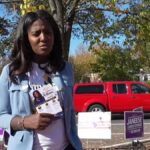
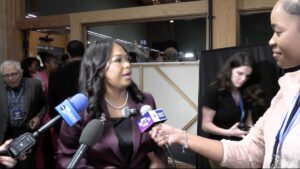
But what if they had only 10 seconds to deliver their message? HUNewsService.com offered this challenge to voters in the nation’s capital on Election Day.
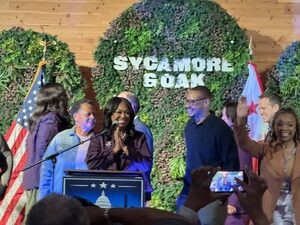
Their responses ranged from calls for bipartisanship and changes in federal spending priorities to concerns about immigration policy. For some, Election Day also carried deeply personal significance.
Lando Reed, 18, was voting for the first time, just three days after becoming eligible. He expressed excitement about exercising his right to vote and having a say in decisions affecting his future.
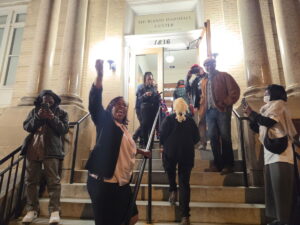
For Samuel Buggs, voting carried a different meaning. After spending 25 years incarcerated following a felony conviction, Buggs was casting a ballot for only the second time. His participation marked another opportunity to exercise a right he had once been unable to use.
Lynne Lennon, a retired veteran and educator, expressed hope that the next Congress would put partisan differences aside and focus on the needs of Americans.
“We have definitely some challenges ahead of us,” Lennon said. “It’s a little difficult, but I think that we’re going to be able to make things happen and make sure that they stay, you know, bipartisan and get things done and help the people.”
Samantha Bolte focused on federal spending and foreign policy, calling for an end to U.S. funding for overseas conflicts and more compassionate immigration policies.
“No more money for wars in Iran, no more money for Israel, and we need more humane border policies for our neighbors,” Bolte said.
Another voter warned that the incoming Congress would face the difficult task of reversing policies enacted over the past several years.
“We have a very difficult job ahead,” the voter said. “Because you have to undo all that has been done over the last couple years, 10 years in total.”
Together, the responses offer a glimpse into the different expectations voters bring to the ballot box. While their priorities vary, their messages reflect a common desire for lawmakers to listen to the people they represent.
The next Congress will make decisions about federal spending, immigration, health care, education and other policies affecting Americans’ daily lives. For these voters, the election is not simply about which party controls Washington, but what elected officials do with that power.
In just 10 seconds, voters offered the next Congress something more personal than a ballot: a direct message about what they want their government to do.