WASHINGTON (HUNS) — As students return to campus from spring break, a series of federal immigration policies and high-profile enforcement actions are reshaping daily life for immigrant students at Howard University, American University and campuses across the country.
What began in 2016 as a policy debate over sanctuary campuses has become a lived reality, students say, one shaped by travel restrictions, visa uncertainty and the fear that a routine airport encounter could upend their education.
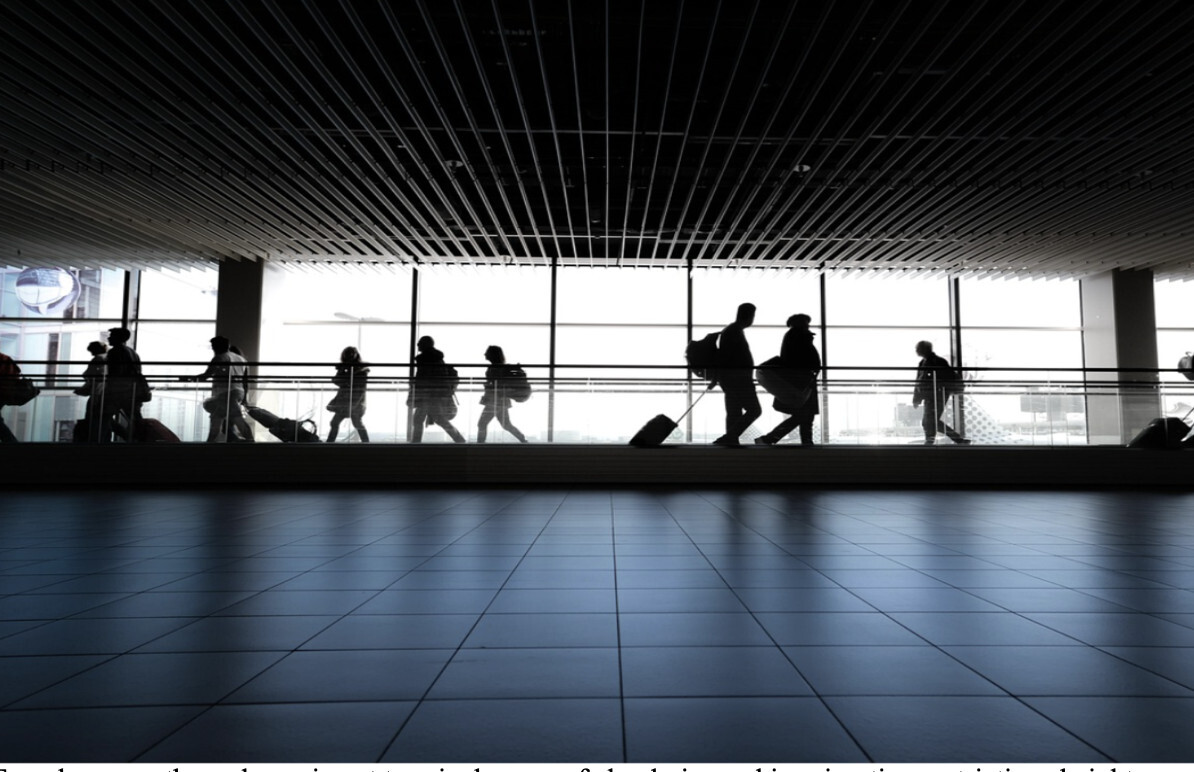
Spring break, typically a time for travel, has taken on new meaning for many students. For some, leaving campus, or even passing through an airport, now carries the risk of not being able to return.
The case of 19-year-old Any Lucia López Belloza continues to reverberate across campuses. Detained at Boston Logan International Airport last fall while attempting to travel home for Thanksgiving, the Babson College freshman was deported to Honduras within 48 hours despite a federal judge’s order blocking her removal.
In the months since, a federal judge dismissed her lawsuit after the government said the deportation was a mistake and offered to facilitate her return. Her attorneys described the offer as risky, arguing she could face removal again upon arrival.
For students, the unresolved questions surrounding her case continue to fuel uncertainty. López Belloza’s experience has sent shock waves through campuses with large Black, Afro-Latino, Afro-Caribbean and African immigrant populations.
At American University and Howard University, students say the incident has transformed what once felt like abstract policy debates into immediate, personal concerns. It is a question of who gets to remain in school and who is one airport encounter away from losing a future they have worked their whole lives to build.

A New Enforcement Climate Heightens Fears
Recent federal immigration enforcement trends are reinforcing those concerns.
Legal experts and advocates point to an increase in prosecutions tied to maritime migration routes in the Caribbean, including cases involving Haitian nationals charged under unlawful entry and smuggling-related statutes. While each case varies, advocates say the pattern reflects a broader shift toward criminalizing migration flows tied to regional instability.
For Haitian American communities at HBCUs, the message is clear: Federal enforcement is expanding, and Black migrants from the Caribbean are increasingly affected.
Nicole Dillard, an associate professor in Howard University’s Department of Communication Studies and an immigration lawyer at Dillard Legal Consultants LLC, says the impact is immediate.
“Haitians outside of the U.S. face incredibly high barriers to accessing the asylum system, because of travel bans and the elimination of humanitarian parole pathways,” Dillard said.
“And to think that someone fleeing persecution now also faces a federal charge of unlawful entry adds yet another obstacle. It deepens a climate of fear where Black and Brown immigrants feel that every door — humanitarian, legal and educational — is closing at once.”
The Sanctuary Campus Debate Enters a New Era
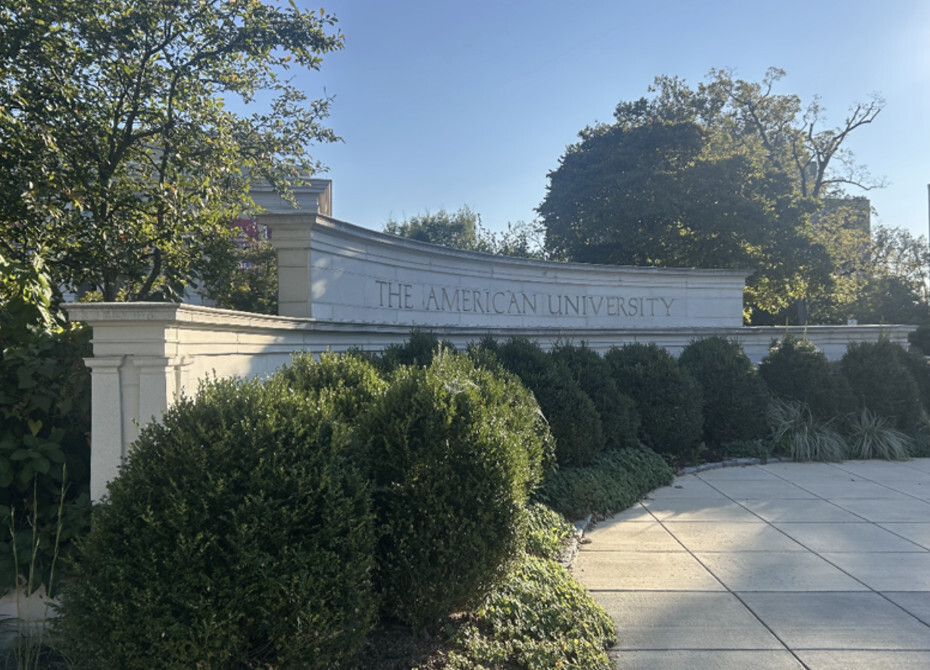
At American University, a student-led sanctuary campus referendum passed in March 2025 with overwhelming support is taking on new urgency as federal enforcement expands.
While the referendum signaled strong student demand for protections, the university has not formally adopted a “sanctuary campus” designation. Instead, it continues to provide guidance, legal resources and institutional policies shaped by federal law.
For student organizers and for HBCU communities at Howard, these developments underscore that sanctuary debates are no longer symbolic. They are about whether classmates, friends and family members will be allowed to remain in the country at all.
Campus Demands in a New Enforcement Climate
At American, students are calling for policies that would restrict campus cooperation with Immigration and Customs Enforcement (ICE) without judicial warrants, safeguard student records and expand protections for undocumented and DACA students.
The campaign gained momentum after a February 2025 incident in which a man appeared on campus wearing clothing altered to resemble an ICE uniform, sparking fear among students and faculty.
“When that happened, it shook a lot of us,” said Lily Swahnberg, a junior at American University who helped lead the referendum effort. “I felt like I needed to do something. It was about turning fear into action.”
Working with AU Student Government, Swahnberg and fellow student organizers drafted a referendum outlining protections: barring ICE agents from campus property without a judicial warrant, preventing the collection of citizenship data, and expanding legal and counseling resources.
The nonbinding measure passed, and administrators are consulting with higher-education associations and legal counsel to determine what can be implemented under federal and local law.
Legal Context, Real-World Stakes
Dillard says federal privacy law already provides some protection.
“Thanks to the Family Educational Rights and Privacy Act, universities are prohibited from sharing student records without consent,” she said. “Unless there’s a court order or a judicial warrant, that information remains confidential.”
But she emphasizes that the current climate goes beyond legal protections.
“If a student posts something pro-Palestinian on social media, or if Black and Brown students see a heavy presence of the National Guard or police on campus, that fear becomes very real,” she said. “Add in presidential orders requiring local police to cooperate with ICE, and students start to wonder: ‘Who is protecting us?’”
For many, the Babson case underscores that uncertainty. Despite legal protections, the speed and outcome of the deportation have raised concerns about how those protections function in practice.
HBCUs, DEI and Civil Rights
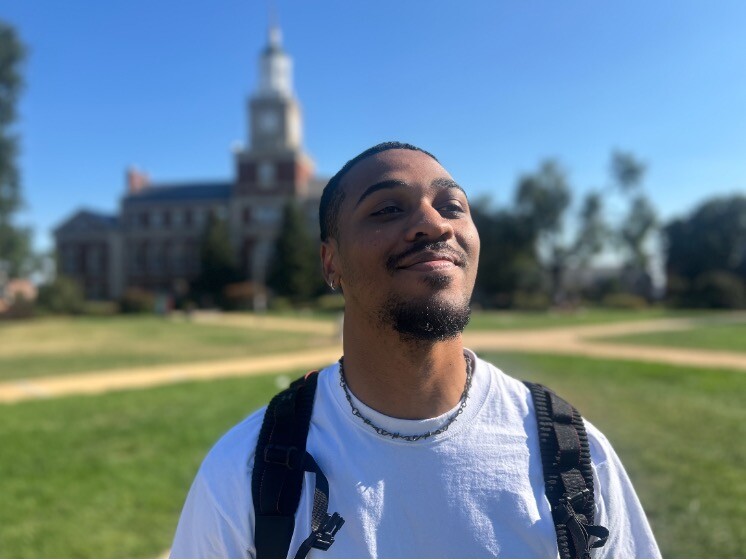
Howard serves a large population of Black, African, Afro-Caribbean, Afro-Latino, Muslim and Afro-Muslim students, communities that may be disproportionately affected by these policies.
“Today, arguably, so-called sanctuary policies are about more than immigration; they’re about protecting fundamental civil rights,” said Maryam Ahranjani, a law professor at the William S. Boyd School of Law at the University of Nevada, Las Vegas, who has been studying sanctuary campuses nationally.
“I don’t support the term ‘sanctuary campus,’ but I do support the idea of maintaining safe spaces for immigrant and marginalized students, ideally through action rather than labels,” Ahranjani explained.
“When universities, especially public institutions, maintain those spaces, they push back against a climate of fear that chills speech and civic engagement. In the wake of current aggressive federal enforcement policies, this work is a vital reaffirmation of equity, privacy and due process.”
Ahranjani said fear of losing funding is slowing progress. “We’ve seen fewer efforts to seek sanctuary campus designation, not because students have stopped caring, but because administrators fear losing funding for DEI programs,” she added.
“The administration’s anti-DEI executive order created a chilling effect; and, in some cases, universities are overcorrecting, misinterpreting the order’s reach and silencing important equity initiatives unnecessarily.”
Grant Davidson, a sophomore at Howard University of Jamaican descent, said that “sanctuary policies send a message that we all belong.”
“HBCUs have always been about giving us space to learn, grow and speak out,” Davidson said. “Sanctuary policies feel like a modern way of saying that promise still matters; that we won’t let fear decide who gets an education. If anything, HBCUs should be leading on this.”
New Federal Policies Intensify Fears
The sanctuary campus debate is now unfolding against a broader escalation of federal immigration controls.
A presidential proclamation that took effect in January 2026 now restricts or suspends entry and visa issuance for nationals from dozens of countries, including several in Africa and the Caribbean. The policy, which expanded earlier restrictions, has heightened uncertainty for international students navigating travel, study and reentry.
At the same time, visa rules affecting countries such as Cameroon, Ethiopia, Ghana and Nigeria continue to limit many non-immigrant visas to single-entry, short-duration approvals, increasing both cost and risk for students who travel abroad.
For HBCUs with strong ties to African and diaspora communities, the impact is immediate. Students face difficult decisions about whether to leave the country for family visits, academic programs or emergencies.
“These new travel and visa restrictions send messages that the U.S. is less welcoming and may not be an option for global talent from countries with majority Black and Brown people,” Dillard said. “Furthermore, it reinforces perceptions of unequal access for students from African and Afro-Caribbean countries.”
“And considering the shocking deportation of the Babson student, unsurprisingly, students have a heightened fear of whether the law will protect them at all, or whether they’re one airport encounter away from losing everything they’ve built here and worked for.”
A National Test for Universities
The sanctuary campus debate also overlaps with a national rollback of diversity, equity and inclusion programs. Under the Trump administration, federal funding has become a strong enforcement tool: Harvard saw $2 billion in research grants frozen before a court overturned the freeze, and Columbia University scaled back DEI protections after litigation. HBCUs like Howard have already faced proposed federal funding cuts, a potentially devastating blow for resource-strapped institutions.
“Getting the referendum passed was a first step,” Swahnberg said. “But the real goal is to make sure every student knows their rights and feels safe, regardless of what’s happening in Washington or at the border.”
Davidson put it more bluntly. “This is bigger than one referendum,” he said. “Students like me want to know if our schools will stand with us when it matters and not just talk about justice — but actually protect us when we’re vulnerable. That’s the real test.”
López Belloza never made it home for Thanksgiving. Months later, her case remains a point of reference for students trying to understand what federal enforcement means for their own futures.
As campuses settle back into the semester after spring break, her story continues to resonate.
For many, it reframes a once abstract question into something immediate:
When the next student is stopped at the airport, will their university have done everything it can to make sure they get back?
Logan Johns is a reporter and visual journalist for HUNewsService.com.