This is an opinion piece by a Hilltop columnist.
In 1966, Robin Gregory became the first Howard Homecoming queen to wear an afro, making her hair a statement about Black beauty, pride and authenticity. But why did something as simple as wearing her hair naturally carry such profound significance?
Our ideas about beauty shift alongside our politics, responding to what we see in popular culture and the pressures of the political climate.
“It is about who is allowed to possess those characteristics without being stereotyped, penalized, sexualized or expected to change them,” said Nicole Bao, Ph.D., an assistant professor of sociology and criminology at Howard.
The traits and values society defines as “feminine” are shaped by the institutions and culture surrounding us. Right now, those values are shifting. In January 2025, President Donald Trump signed an executive order titled “Defending Women from Gender Ideology Extremism and Restoring Biological Truth to the Federal Government,” directing the federal government to recognize only two sexes. This order reflected a broader political effort to define what constitutes a woman, and by extension, whose identities are recognized as legitimate or feminine.
If politics can shape how we understand gender and sex, what are the politics of our moment telling us about what it means to be a beautiful, valuable woman?
The ideal woman has never been a racially neutral idea. From the nation’s founding, American femininity was racialized: white women were intentionally associated with delicacy and purity, while Black women were routinely stereotyped to be hypersexual, aggressive and masculine.
“[Beauty standards] can influence how Black women understand themselves, determining which aspects of their appearance they feel comfortable embracing,” Bao said. “…Beauty can be a form of power and privilege, and its absence, a detriment.”
If womanhood itself has been historically racialized, then the way we define beauty today cannot be separated from that history. In the years leading up to the pandemic, the beauty pendulum had swung toward more liberal ideals: curves, tanned skin and fuller lips dominated mainstream beauty culture. Yet, many of these features had long been associated with Black women, even as their popularization often centered white women.
The Kardashians’ embrace of the Brazilian butt lift illustrates this contradiction: features that had historically been stigmatized or ridiculed on Black women could become fashionable when adopted by white women.
Today, the exaggerated curves that dominated the 2010s have given way to thinness, restraint and a more understated femininity. Simultaneously, the pilates princess, clean girl, traditional wife (tradwife) and quiet luxury aesthetics have become fixtures of mainstream media.
While the name we call these aesthetics may be new, the racial hierarchy underlying these norms are not.
Within this carefully curated version of domestic simplicity, where, if at all, do Black women fit? American culture has long categorized Black women based on how closely they conform to white versions of femininity. We are therefore forced to navigate, or reject aesthetics that were designed to exclude us.
Nicki Minaj is perhaps the clearest example of the shifting nature of these standards in alignment with our politics. Her public image throughout the 2010s was built around sexuality and her curves and unapologetic individuality were part of an aesthetic that dominated the decade, according to Vogue.
Her recent embrace of conservative politics illustrates a striking departure from her past image, coinciding with a broader cultural movement toward “refined” femininity, restraint and Eurocentric beauty standards. Nicki Minaj illustrates how women with racialized bodies must navigate (and sometimes benefit) from whichever version of femininity society is currently rewarding.
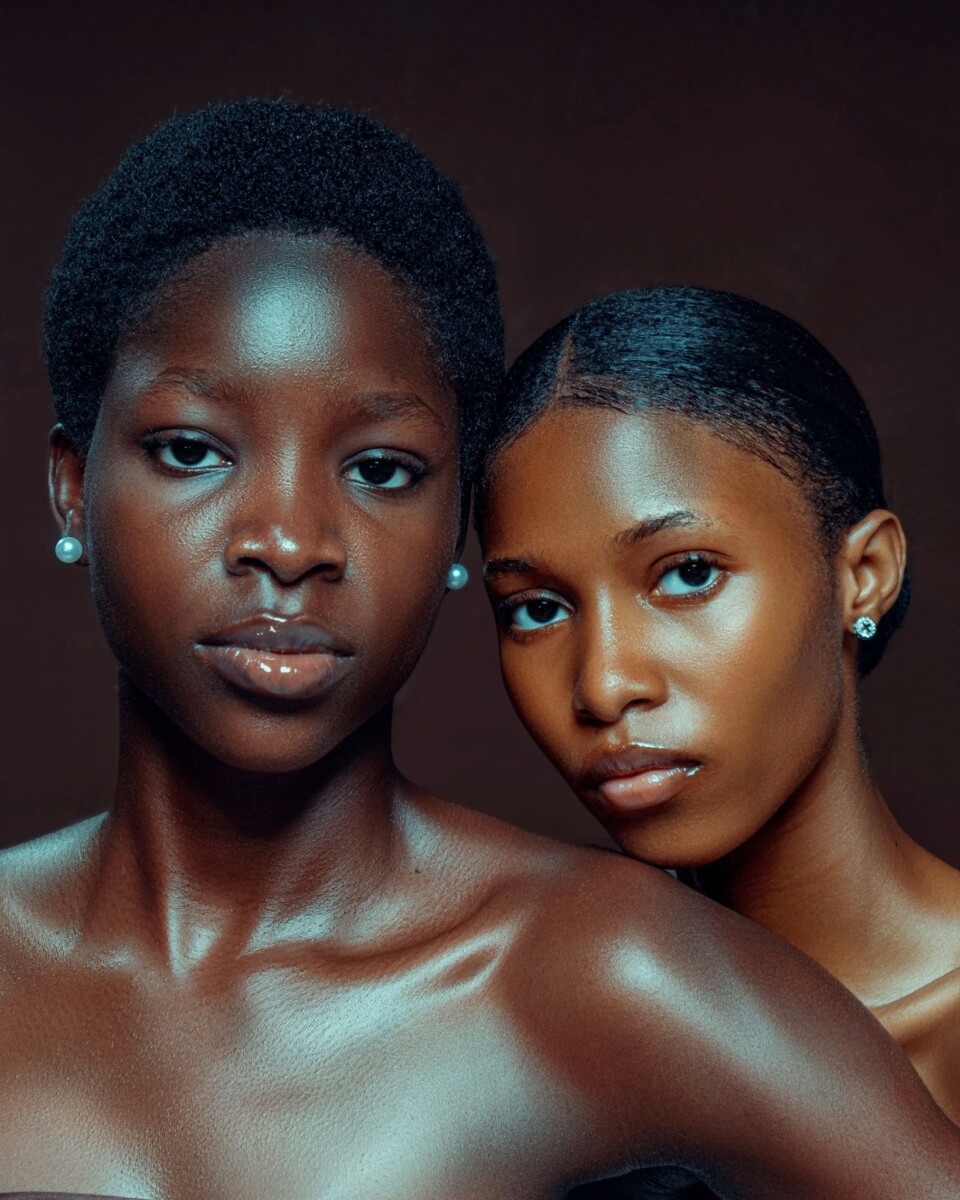
Thus, there is no one correct version of Black beauty. Beauty is at its most powerful when we refuse to let societal pressures decide what it should look like. Wear your hair however you want. Cover up or show some skin. Be domestic, outspoken or unapologetically yourself. The pendulum will keep swinging, and we can’t rearrange ourselves each time it does, despite societal pressures suggesting that we must.
Copy edited by Jori Johnson