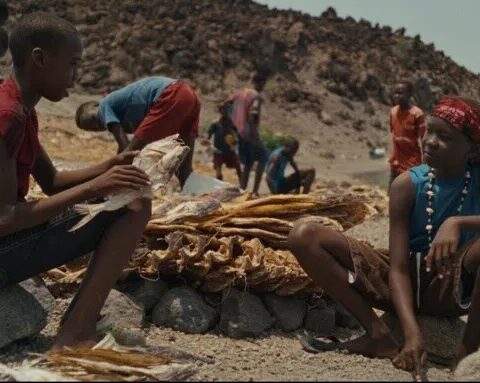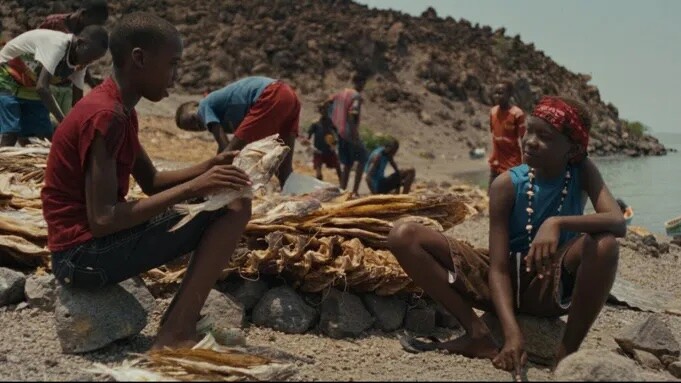
WASHINGTON (HUNS) — The dramatic telling of how child marriage crushed the educational dreams of a Kenyan girl moved viewers during a recent screening of “Nawi: Dear Future Me” at the Martin Luther King Jr. Library.
One guest, Loleta Ross, brought her granddaughter to see the internationally acclaimed film, which is based on true events, to show her “the courage that women have taken to be educated.”
Ross, who lived through segregation and the Civil Rights Movement, grew up “around women struggling and having to fight to do everything from voting … to using the same fountain as white people.” She wanted her granddaughter to see how women have “an unbelievable endurance to make things happen” — similar to Nawi, the main character in the film, which opened in North American theaters this month..
After Nawi passes her high school placement exam at the top of her country, the 13-year-old girl learns that her father has sold her off to be married to a man. In defiance, Nawi escapes South toward Nairobi where her dream high school is based, drawing claps and cheers from the audience, but she faces a difficult decision.
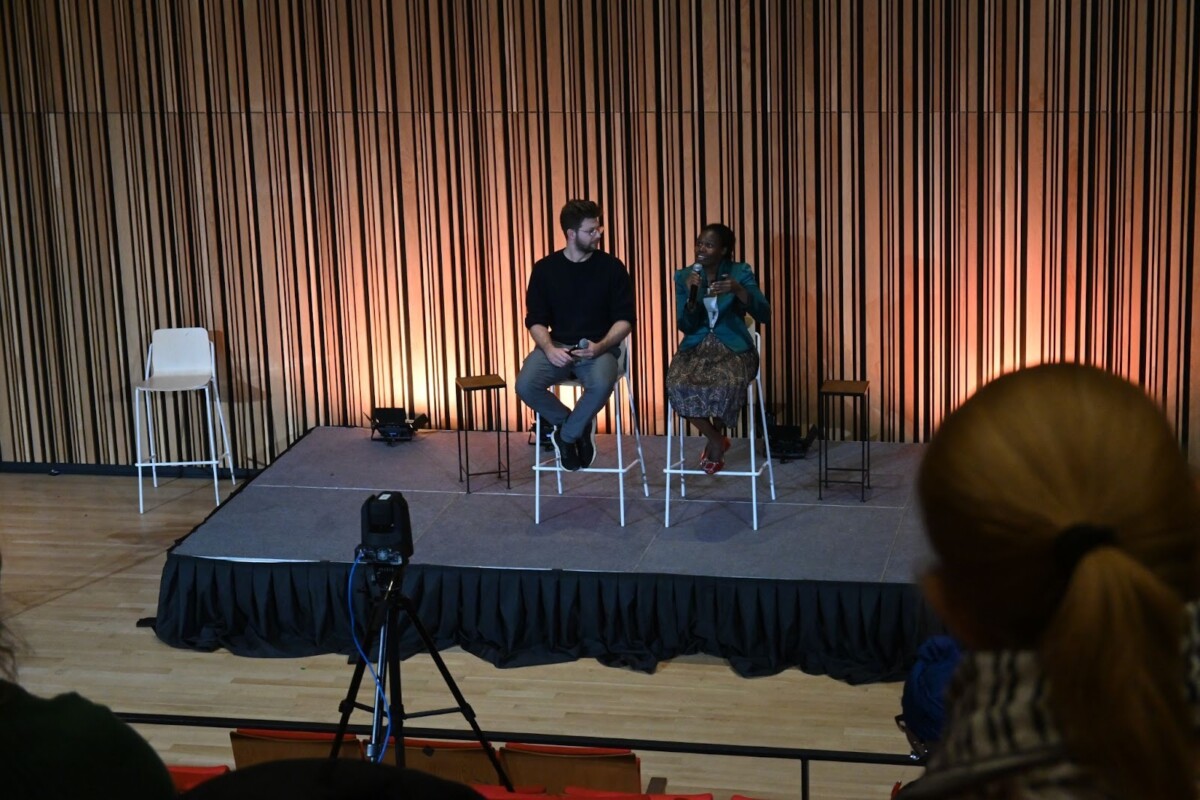
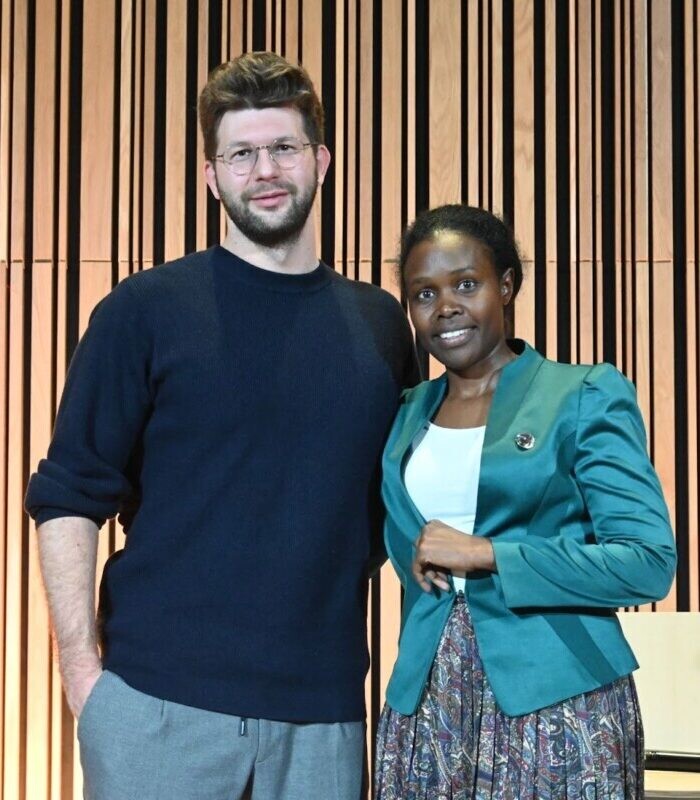
After the film, director Kevin Schmutzler and writer Milcah Cherotich listened to reactions from the audience, answered questions and shared information on how to help change the systemic injustice of child marriage.
Cherotich, a teen counselor in Kenya, won a national writing competition. “Nawi: Dear Future Me” is based on her winning entry. Schmutzler is a part of a director duo with his brother, Tobias, and they help produce films with the goal of social impact.
”We only can help to tell the story in a way that it hopefully resonates also with Western audiences,” Schmutzler said in response to an audience question.
Schmutzler also addressed the need to work with local women who understand the issue. “We needed two women to tell the story with us in a way that it’s over accurate, that it’s 100% authentic, that it also resonates with local audiences.” Together, he said, they created a “very international project that’s rooted in Kenya, but that tries to reach audiences here and in Europe.”
Nawi’s statement in the film that she is but “six camels, 60 sheep and a 100 goats” stood out to a guest who visited Kenya in October 2025. “When a young lady comes to the awareness that she is nothing but livestock, … how do you translate that? … How do you justify that?”
“I’m grateful for the film, and I just hope that more awareness is done and more change will be realized.”
Cherotich called for “solidarity — that we all rally and support organizations that are already doing the work on the ground.” Those who desire to support the film and the movement to end child marriage can visit Nawi.film for more information.
“Funding is the bridge between empathy and commitment,” Cherotich added.
Solomon Goins is a reporter for HUNewsService.com.