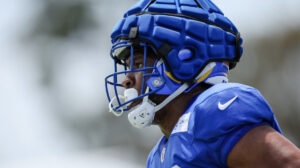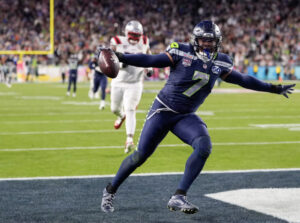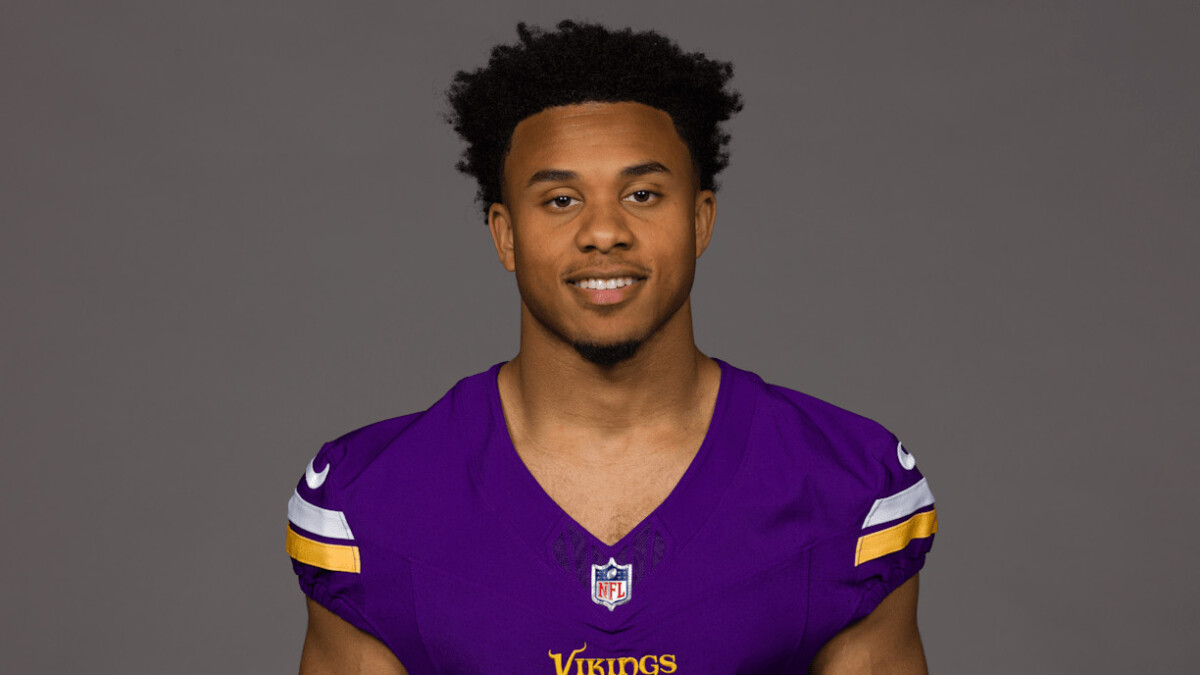
WASHINGTON (HUNS) — Rondale Moore was known for his speed, versatility and joy for the game. From his breakout season at Purdue to his time in the NFL, Moore built a reputation as a dynamic wide receiver whose energy stood out on and off the field. Moore was found dead Saturday in his hometown of New Albany, Indiana, in what authorities described as an apparent self-inflicted gunshot wound, according to police and media reports. He was 25.
Moore’s death has renewed a difficult but urgent conversation about mental health in the NFL, a league that celebrates toughness while many of its players quietly navigate depression, anxiety and emotional isolation.
He was not alone.
In November 2025, former Dallas Cowboys defensive end Marshawn Kneeland died at age 24 in Frisco, Texas, in an incident authorities said was being investigated as a suicide.
Police reports indicated Kneeland had expressed suicidal thoughts and sent farewell messages to family members before his death. The Cowboys called Kneeland a beloved teammate and said the organization was devastated by the loss.
Moore’s professional career was also marked by frequent injuries and roster changes. After entering the league as a second-round pick, he spent time with multiple teams and missed extended stretches due to lower-body injuries, disruptions that can add strain for players trying to establish stability in the NFL.
Repeated injuries can have effects that extend beyond physical recovery, according to Alaina S. Davis, Ph.D., a medical speech-language pathologist and certified brain injury specialist.
“When brain injury happens, particularly concussions, it changes the balance of neurotransmitters,” said Davis, chair of the Department of Communication Sciences & Disorders at Howard University. “That chemical imbalance can cause depression and other mental health symptoms to appear.”
The deaths of Moore and Kneeland highlight a growing concern supported by data. A study from the Football Players Health Study at Harvard University found that suicide rates among NFL players who ended their careers after 2011 were significantly higher than those of players in Major League Baseball and the NBA during the same period.
Researchers emphasized that the causes are complex and multifaceted, involving physical injuries, career instability, identity loss and mental health stigma.
Fear surrounding brain health also plays a role. Harvard researchers found that about one third of former NFL players surveyed believed they had chronic traumatic encephalopathy, even though CTE cannot be diagnosed in living patients.
Chronic traumatic encephalopathy, or CTE, is a degenerative brain disease believed to be caused by repeated head impacts, including concussions and subconcussive hits. It has been linked to symptoms such as memory loss, mood changes, depression, impulsivity and cognitive decline.
Those players reported significantly higher rates of suicidal thoughts compared to those who did not believe they had the condition.
“We found that belief in having CTE was associated with greater psychological distress,” said Rachel Grashow, a senior research scientist and lead author of the study, published in the Journal of Neurotrama last month. “Many of the symptoms players worry about may actually be caused by treatable conditions, which makes early mental health care even more important.”
Davis said mental health struggles in athletes are often misunderstood and separated from brain health when the two are deeply connected.
“A lot of what gets labeled as mental health is actually brain injury,” Davis said. “Because those injuries are invisible, they are easier to dismiss.”
Several current and former NFL players have spoken openly about their struggles in recent years, challenging long-standing norms of silence.
NFL wide receiver Calvin Ridley stepped away from football during the 2021 season with the Atlanta Falcons to focus on his mental health.
“I needed to get my mental health right,” Ridley said. “Football is important, but it’s not more important than my life”.
Philadelphia Eagles Offensive lineman Lane Johnson has described his experience with anxiety and depression, saying he once felt trapped by the pressure to perform.
“There were days I didn’t even want to get out of bed,” Johnson said. “I thought something was wrong with me, but I was just dealing with anxiety”.
Former Pro Bowl receiver Brandon Marshall has been one of the most outspoken advocates for mental health awareness in professional sports.
“Mental illness is not a weakness,” Marshall said. “It’s something you have to manage, just like any other condition”.
Despite increased awareness, many players still hesitate to seek help. Studies and player testimony suggest fear of being labeled unreliable or weak continues to discourage openness, especially in a league where contracts are rarely guaranteed and competition is constant.
Davis said football culture often reinforces silence.
“Athletes are trained to fight through pain,” she said. “When the injury is mental or neurological, they feel even more pressure to hide it.”
One former NFL player told Harvard researchers that football culture encourages emotional isolation.
“You build walls,” the player said. “Nobody can know you’re struggling because you feel like that makes you replaceable.”
The NFL and the NFL Players Association have expanded mental health programs in recent years, including access to team psychologists and confidential counseling.
Advocates argue those resources must be paired with cultural change that encourages players to speak up without fear.
The deaths of Moore and Kneeland have forced many across the league to reflect on what is missing behind the highlights and statistics. Teammates described Moore as joyful and hardworking. Coaches remembered Kneeland as kind and driven. Neither description suggested someone in crisis.
Their losses serve as reminders that pain is not always visible and that strength in football does not always translate to emotional protection.
Grant Roundtree covers sports and Prince George’s County for HUNewsService.com
If you or someone you know is struggling with thoughts of self-harm or suicide, help is available. In the United States, the 988 Suicide and Crisis Lifeline offers free, confidential support 24 hours a day by calling or texting 988, or chatting at 988lifeline.org.