This is an opinion piece by a Hilltop columnist.
Today, the mass media faces pressure on multiple fronts. Through political conflict and legal and financial intimidation, the independent “fourth pillar” of democracy is slowly being hacked at.
In late-September, President Donald Trump removed various media outlets including CNN, MS NOW (formerly MSNBC) and Politico from the White House, accusing the outlets of publishing “fake news,” fiction and unfavorable coverage. At this moment, this breakdown between two fundamental pillars of our democracy ultimately deprives citizens of transparency, and disrupts a careful balance that has been in place for decades.
To the naked eye, these acts may seem like the government aspiring to protect its interests. But to those who know history, and the fundamental work of journalists, this demonstrates a systematic effort to consolidate central authority and control the public narrative. Philosopher Jason Stanley, famous for writing on how fascist politics operate in modern democracies, emphasizes that the active banning of ideas, media and independent thought are defining characteristics of fascist movements.
Prominent examples include Benito Mussolini’s rise to power in Italy in 1922, when his regime systematically imprisoned political opponents and brought independent newspapers under state control. Similarly, in Germany, after Adolf Hitler seized power in 1933, the Nazi regime imposed strict control over cultural and media institutions, dictating what could be expressed artistically, journalistically and politically while violently suppressing dissent.
The “fourth pillar” or “fourth estate” of democracy refers to the press and news media, which operate independently of the executive, legislative and judicial branches, serving as a check on our system of government by holding the separate, coequal branches accountable.
More notably, the press and news media provide factual details so citizens can vote, organize and engage in civic life, while leaving space for different viewpoints to compete publicly. The media serves as a safeguard of democracy and offers insight into how our systems of power function.
The power of the press far extends beyond words on a page. It serves as a check on corruption by demanding transparency. The press is unrelenting in exposing abuse of power and government overreach. All to the benefit of the people who entrust the press in delivering factual information.
In 1791, the framers of the United States Constitution understood the power of the press. In fact, the Revolutionary War that brought America into existence was sparked by a series of pivotal political documents, pamphlets and resolutions that fueled colonial resistance. Thus, the First Amendment was written, enshrining and embedding the freedom of religion, press, speech, assembly and petitioning the government for a redress of grievances into the very fabric of the nation.
But despite the governmental acknowledgement of the power and protection of the press, censorship and prior restraint have long been tools utilized by dissidents, despots and authoritarians alike to undermine the work of the fourth estate. Censorship is one of the first steps to undermining the public, and indicative of this belief, enslaved African Americans were not allowed to read or write because the government knew how powerful literacy would be in illuminating a path to freedom.
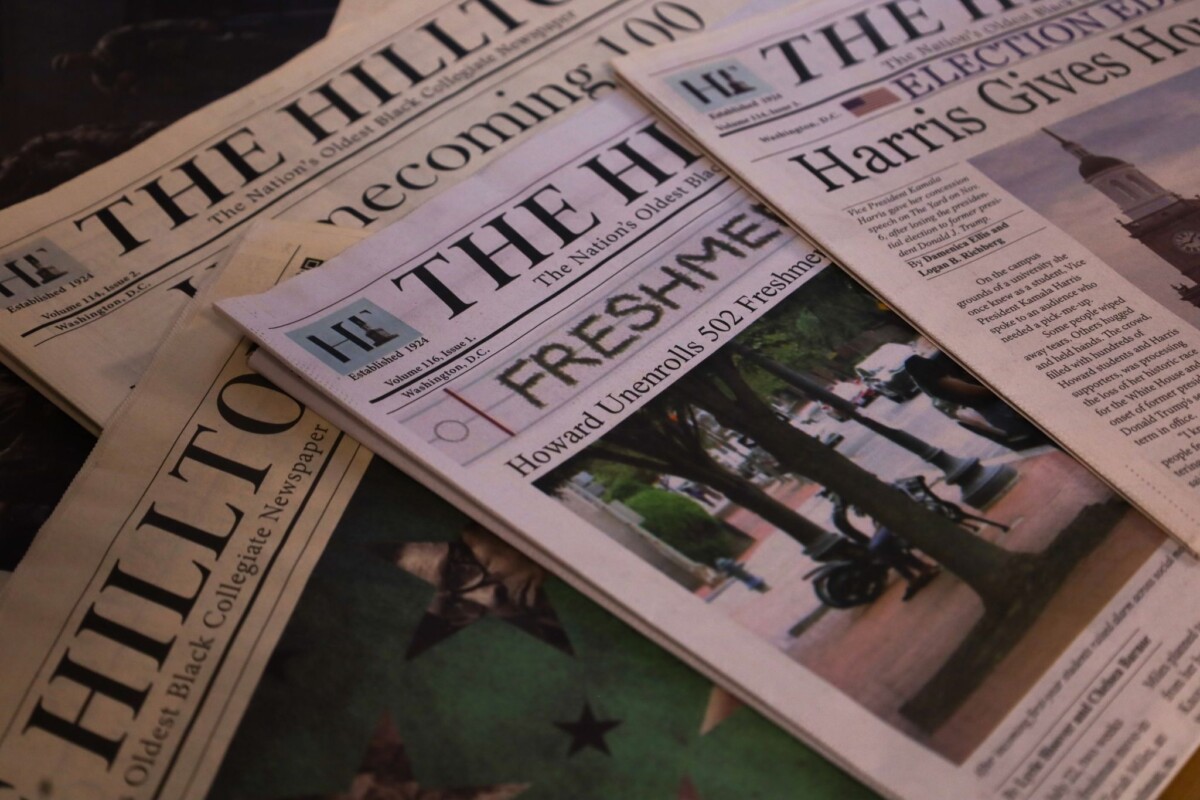
Notably, the Black press was born from this censorship. March 16, 2027 will mark 200 years of African American journalism, beginning with the publication of the first Black-owned newspaper, Freedom’s Journal, on March 16, 1827. The newspaper’s historic declaration: “We wish to plead our own cause. Too long have others spoken for us,” rings ever true in a society where the president attempts to hand pick who covers what.
Project 2025 itself outlined plans to defund public broadcasting, reshape federal media agencies and alter press access. In light of this, the removal of various media outlets from the White House press room should not come as a shock, but only a recognition of a meticulous plan to disassemble the fourth pillar that upholds our democracy. And while this plan may seem like the endgame, it serves only as the small piece in a far more insidious puzzle, aiming to dismantle the government and reshape it in the light of white supremacy and late stage capitalism.
This disassembly is occurring through both direct censorship, such as explicit bans, book burnings and website blocks, and soft censorship, which occurs indirectly through social pressure, restricted display placement and funding cuts driven by fear of backlash.
In the words of Ida B. Wells-Barnett, famed journalist, anti-lynching activist and women’s suffragist, “The people must know before they can act, and there is no educator to compare with the press.”
Wells, rightfully so, viewed the press as an essential instrument to educate the public and ignite civic action against systemic violence.
With this knowledge, those who seek to undermine the system have attacked the foundations on which the system sits. Now more than ever, as the fourth pillar of democracy faces demolition under punitive and oppressive measures, it is important to consume media and remain vigilant against all forms and methods of censorship.
Copy edited by Jori Johnson