Most of the polls heading into midterm election night were pointing in the Democrats’ direction, suggesting that they would make significant gains, but nothing indicated quite this level of a sweeping victory.
Democrats won a seismic triumph in the midterms, winning control in both chambers of the U.S. Congress. They also won 29 governors races as voters delivered a blistering rebuke to President Donald Trump.
While the Democratic Party continues to grapple with questions about its economic messaging, immigration policy and ability to connect with working-class voters following its 2024 defeat, these victories offer a glimpse of potential political renewal, as a new generation of leaders captures the nation’s attention.
Beyond their historic significance, these wins demonstrate how coalition-building, increased representation and collective political action can create opportunities for progress amid persistent racial and religious divisions, homophobia and xenophobia.
These are the five most coveted, consequential and historic Democratic victories from Tuesday’s election night and what they mean for the future of American politics.
James Talarico, U.S. Senator-elect in Texas

In Texas, James Talarico, a state legislator who became a national fund-raising sensation, toppled Ken Paxton, the scandal-ridden Republican state attorney general, and secured a Democratic victory in the U.S. Senate in the deeply red state for the first time since 1988.
At age 37, Talarico has emerged as one of the Democratic Party’s biggest stars. He overcame Trump’s attempts to cast doubt on the religious convictions of him and other Democratic candidates, portraying their support for LGBTQ+ rights as incompatible with being true Christians.
But as results rolled in on election night, it became clear that the attacks didn’t work.
Talarico’s victory marked a significant moment for the religious left, a movement that has long struggled to rival the political influence and visibility of conservative Christians. Across the country, candidates, faith leaders and voters rallied around a message that placed compassion, inclusion and social justice at the forefront of political engagement.
“This win is not about the Democratic Party or the Republican Party,” Talarico told cheering supporters at his victory party in Austin, late Tuesday night. “It is much bigger than that…people across the political spectrum are hungry for a different kind of politics.”
Indeed they are.
Hakeem Jeffries, Minority Leader of the U.S. House of Representatives
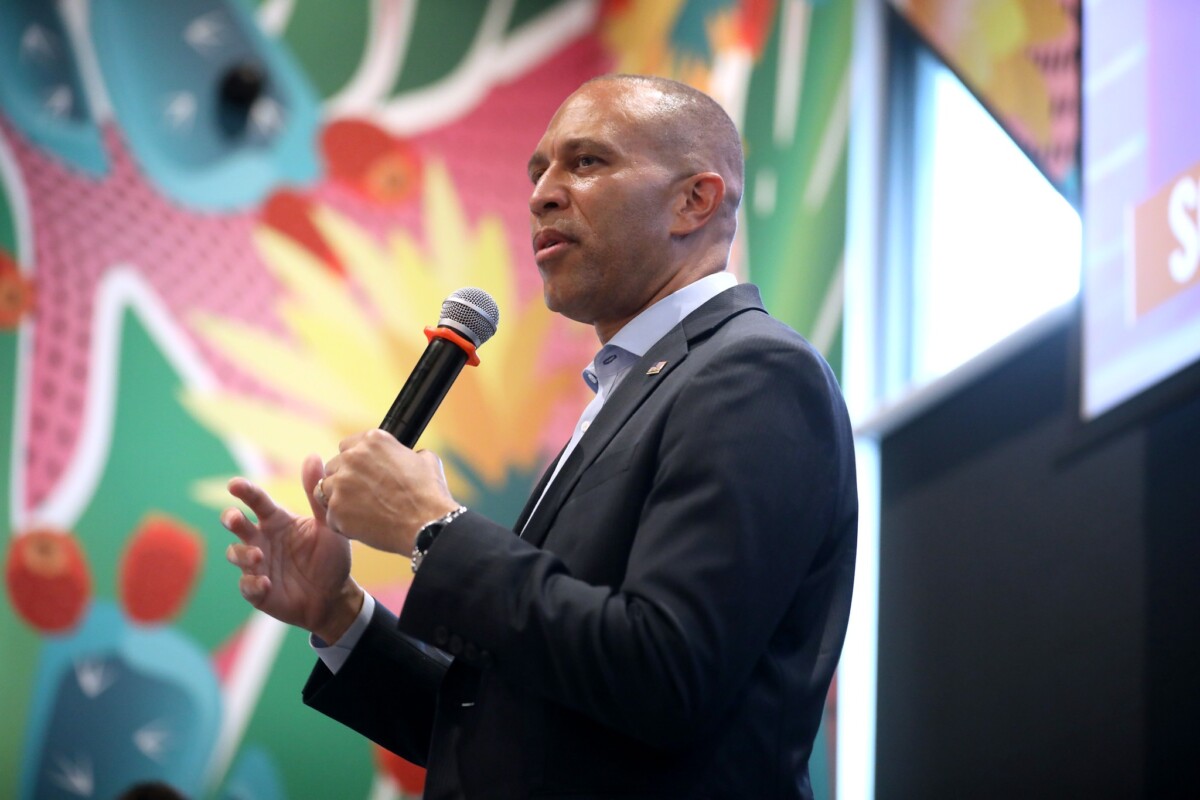
In New York, U.S. Rep. Hakeem Jeffries, the current Minority Leader of the U.S. House of Representative, won reelection. Given his seniority and status as the highest-ranking Democrat in the House, many view him as a potential history-maker who could become the first Black speaker of the House.
Jeffries promised a room of enthusiastic supporters on Tuesday in Washington, D.C., that Democrats understood they had been given a mandate to deliver “dramatic change.”
By the same token, Jeffries’ elevation to Speaker of the House would represent a historic breakthrough in Black political representation, particularly for Black men who have long been excluded from the highest levels of national political leadership.
Jeffries’ achievement would offer a visible example of Black leadership to younger generations who deserve to see themselves represented in the political systems that govern them.
His message to voters: “We hear you. We see you. We feel you. House Democrats are committed to making life better for you.”
Keisha Lance Bottoms, Governor-elect in Georgia
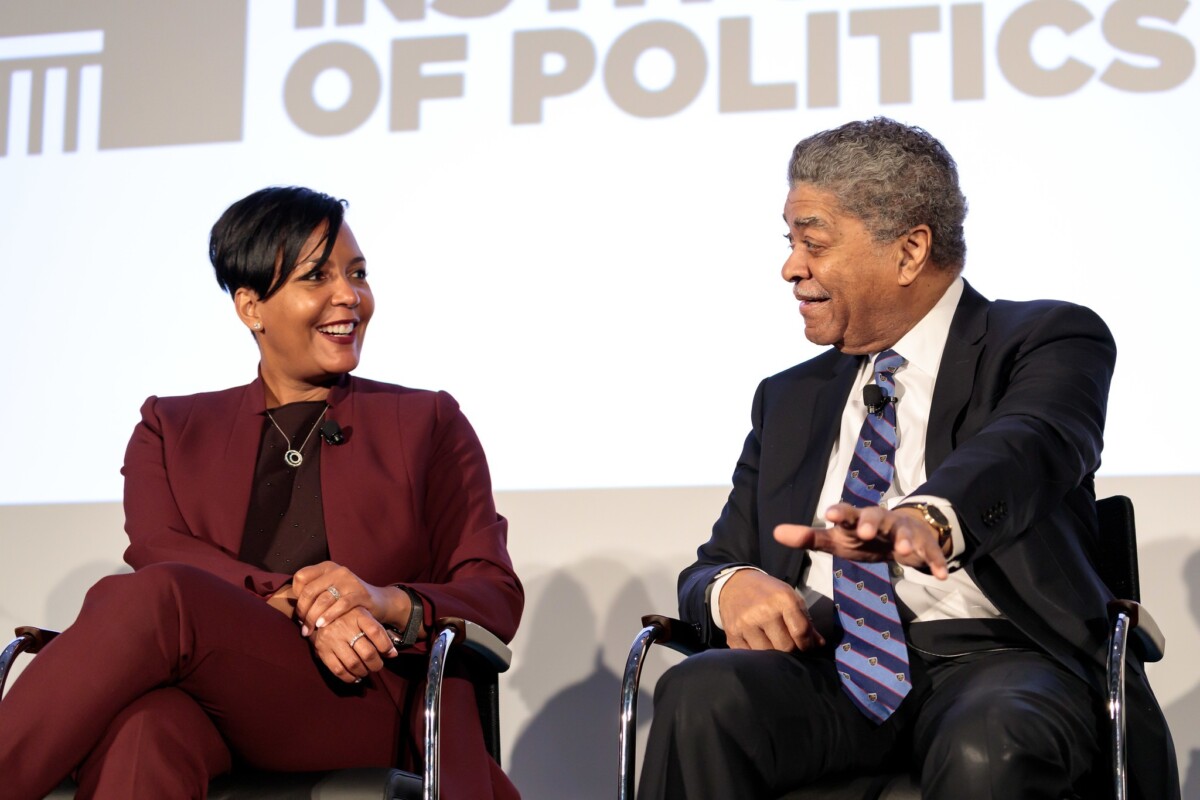
In Georgia, Keisha Lance Bottoms, an attorney and former mayor of Atlanta, defeated billionaire Republican healthcare executive Rick Jackson and became the first Black woman to be elected governor in U.S. history.
Bottoms campaigned on expanding Medicaid, creating economic opportunities, protecting family-owned farms, supporting teachers and ensuring every child has the opportunity to succeed.
But the true subversive joy in this momentous victory for Georgia and the country is that it represents a full-circle moment more than a decade in the making. The surge in voter turnout across the state is a testament to years of grassroots organizing and community engagement, largely rooted in the efforts championed by Stacey Abrams, another Black woman, who twice ran unsuccessfully for governor in the state.
Though Abrams fell short at the ballot box, the organizing infrastructure she helped build continued to mobilize voters — demonstrating to all Americans that the impact of community engagement can extend well beyond any single election.
As Angela Davis once said, “when Black women win victories, it is a win for almost every segment of society.”
Black women have been saving America forever.
Chris Pappas, U.S. Senator-elect in New Hampshire

New Hampshire elected U.S. Representative Chris Pappas, who will become the first openly gay man to serve in the U.S. Senate. Pappas’ win also marks only the third time in history that an out LGBTQ+ person has ever been elected to the U.S. Senate.
Although Pappas’ identity as a gay man was not central to his campaign, his election carries significance for LGBTQ+ representation in American politics. His victory demonstrates that LGBTQ+ candidates can pursue public office on the strength of their broader political platforms without making their identities the defining feature of their campaigns.
Pappas is known as a moderate Democrat who takes a bipartisan approach to politics. While in Congress, he frequently broke with Democrats on votes and he has consistently earned top ratings from Reproductive Freedom for All, an abortion rights group, and AFL-CIO, the nation’s largest federation of unions.
Dr. Abdulrahman Mohamed El-Sayed, U.S. Senator-elect in Michigan
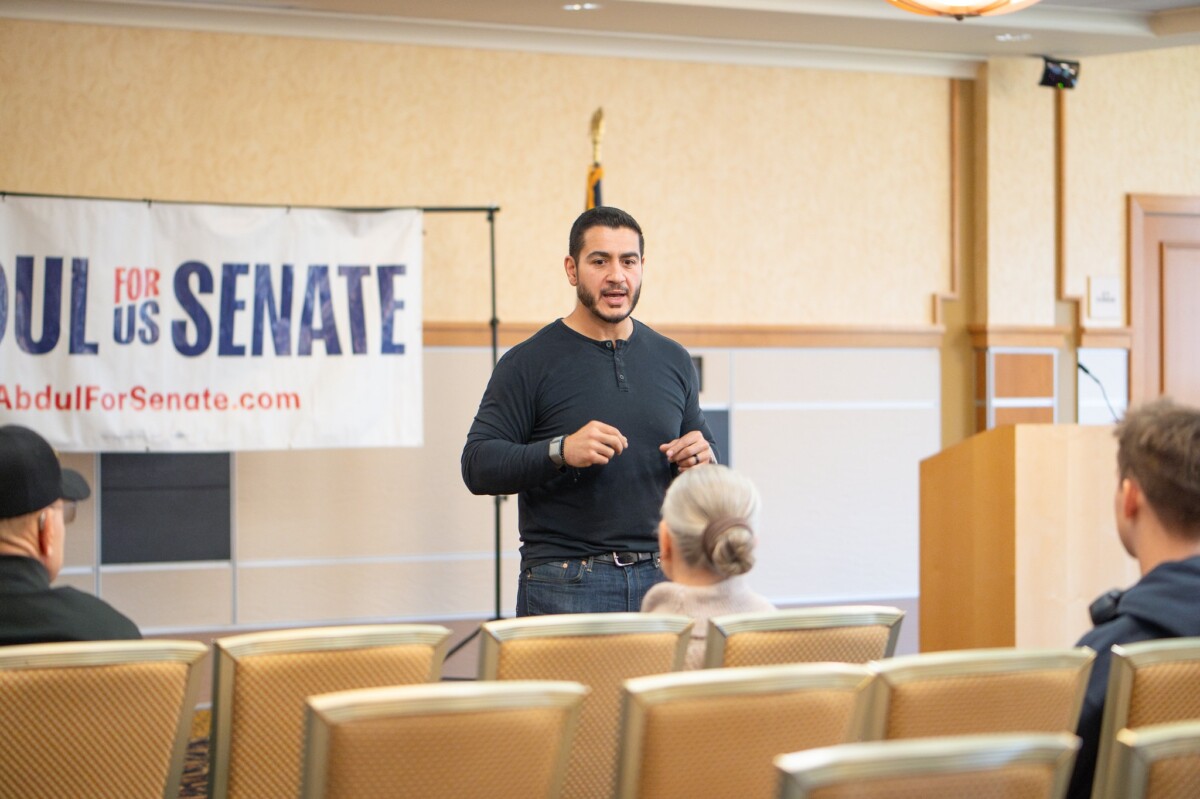
Dr. Abdulrahman Mohamed El-Sayed won in Michigan, becoming the first Muslim elected to the U.S. Senate, even after his defeated primary rival endorsed former U.S. Representative Mike Rogers, the Republican nominee.
A Rhodes Scholar and former public health official, El-Sayed is a progressive Democrat, an outspoken critic of Israel and the son of Egyptian immigrants.
El-Sayed won following a general election marked by repeated anti-Muslim attacks from Trump, Rogers and their supporters, alongside one of the most costly campaigns in recent American political history.
Despite all of this, El-Sayed ran a campaign that did not shy away from his Muslim faith.
“You might have noticed I always say ‘Inshallah,’ or God willing, whenever the outcome of this race is mentioned,” he said Wednesday morning in his victory speech. “Tonight, we can turn that ‘Inshallah’ into ‘Alhamdulillah.’ For the right-wing ops, that just means ‘praise be to God.’”
El-Sayed’s victory, and the blue wave that appeared, is a testament that the pendulum of American politics continues to swing, and that politics is never permanent.
All things considered, while the Democratic Party continues to grapple with lingering questions about its economic messaging, immigration platform and ability to connect with the working-class following its 2024 defeat, these victories signal a potential political renewal, as a new generation of rising stars captures the nation’s attention.
Amid racial and religious divisions, homophobia and xenophobia, they also underscore the possibilities of progress through coalition-building, greater representation and collective political action.
Copy edited by Jori Johnson