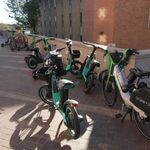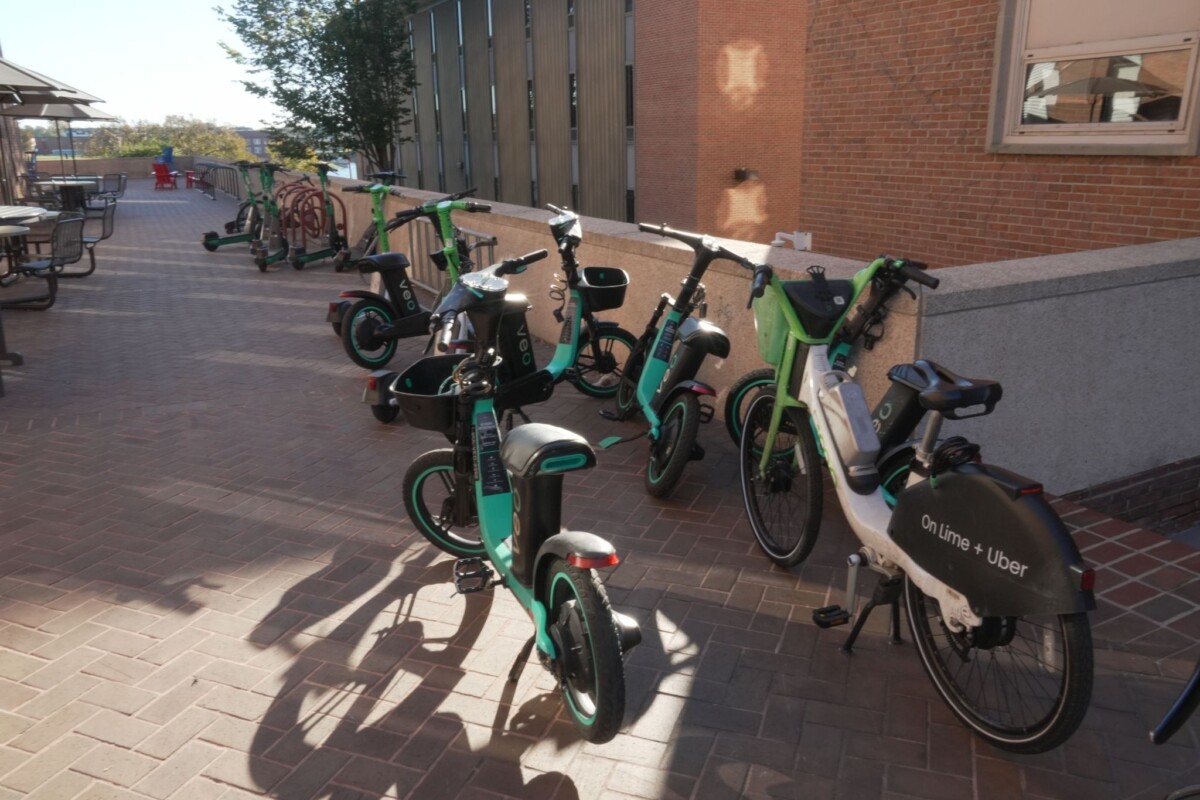
As e-scooters and e-bike become a common way for Howard University students to navigate Washington D.C., concerns about pedestrian safety and limited bike lanes are growing. The Metropolitan Police Department (MPD) launched a citywide safety initiative last month to address unsafe riding practices, but students say improving safety requires more than educating riders.
According to the MPD announcement, traffic fatalities in the District increased by 62% in 2026 compared with the corresponding period in 2025. Throughout their report, MPD reminds citizens of e-vehicular safety protocols, such as following traffic signs, refraining from riding on the sidewalks and only having one person on a scooter at a time.
“Whether you walk, drive or ride, we all have a responsibility to protect one another and keep our streets and sidewalks safe,” Interim Police Chief Jeffery Carroll said in the department’s statement.
MPD said it plans to increase its presence in areas with high e-bike and e-scooter usage, including the U Street corridor, Navy Yard and Gallery Place-Chinatown. Officers will engage with residents and visitors to promote compliance with traffic regulations and address unsafe riding behaviors.
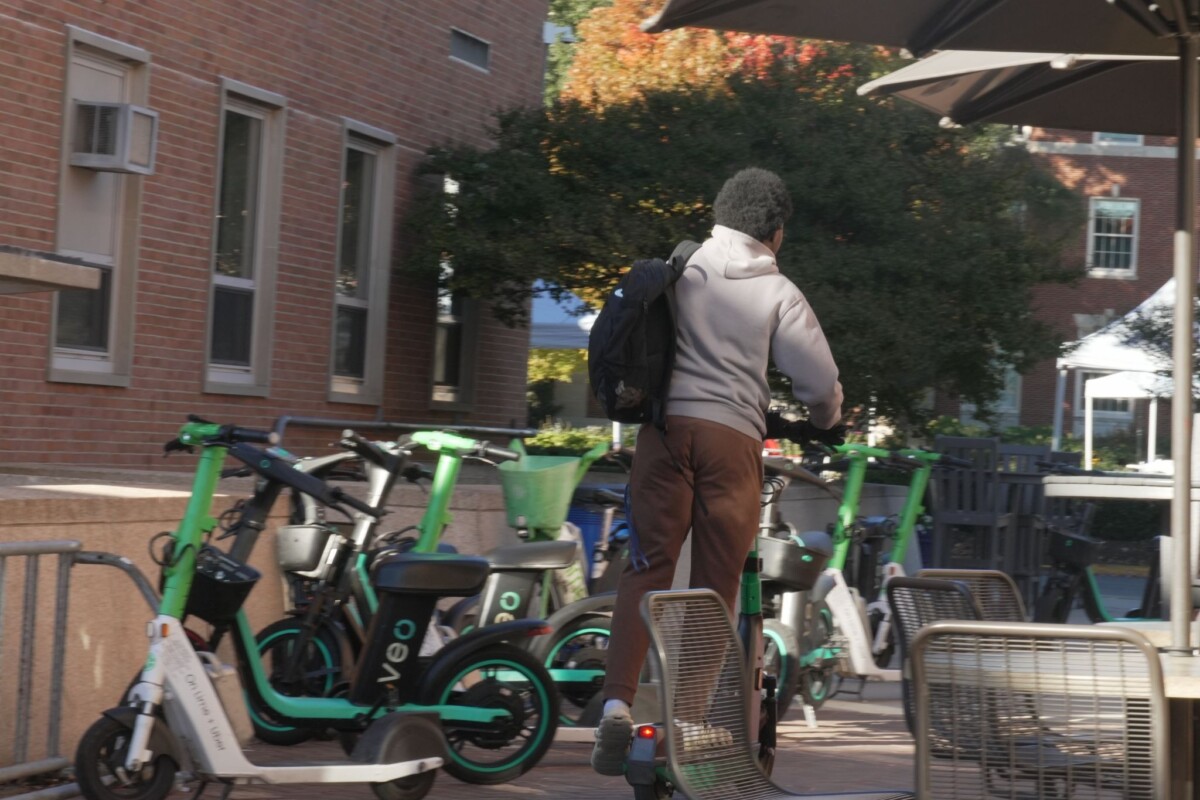
Asad Mensah, a sophomore political science student from Lilburn, Georgia, said he uses scooters one to three times a week for shorter trips, including traveling to Columbia Heights. Although he was unaware of MPD’s initiative, he said increased attention to scooter safety could benefit both riders and pedestrians.
“Even walking on Georgia [Avenue,] the scooters are on the sidewalk and they’ll literally zoom past you and you could get hit,” Mensah said.
Mensah suggested that expanding designated riding spaces, such as bike lanes, could help address conflicts between scooter riders and pedestrians.
Dinara Roysert-Reid, a sophomore health science major from Prince George’s County, Maryland, said scooter safety became a personal concern following an accident last year. She recalled riding a scooter with another person when they swerved to avoid pedestrians entering the street and were struck by a car at an intersection.
Roysert-Reid said she now pays closer attention to her surroundings and avoids wearing headphones while using scooters because of the incident. Still, she continues to use scooters regularly because of their convenience compared to other transportation options.
“I’ll hop on a scooter to go anywhere,” she said. “Maybe every two days because the bus takes too long.”
Although she had not previously heard about MPD’s initiative, Roysert-Reid said additional safety measures could help address irresponsible riding practices.
“I’ve seen three or four people on one scooter,” she said, pointing to behaviors she believes put riders and others at risk.
Another student, Bruce Turner, a junior political science major Dallas, who also uses e-scooters, expressed similar concerns, but questioned whether the District provides riders with enough consistent space to travel safely.
“I worry more about the safety of others,” Turner said. “People don’t react quick enough and you could accidentally hit them.”
Turner said he supports efforts to improve safety but would like to see more consistency in where e-scooters are permitted to operate.
Turner felt the crackdown was something that’s needed. As someone who uses e-scooters, he would like to see more consistency from the MPD and D.C., specifically where riders can use their e-vehicles.
“If they are going to add anything, like bike lanes or scooter lanes, it just needs to be more consistent,” Turner said.
MPD’s initiative is expected to continue through the end of the year, with officers prioritizing public education and outreach in areas where e-vehicles are frequently used.
Copy edited by Daryl R. Thomas Jr.