This is an opinion piece by a Hilltop columnist.
The 2026 reboot of the 1987 sitcom “A Different World” was a fun watch, particularly because it portrays different aspects of a fictional historically Black college (HBCU) campus. The show even gives a nod to the “Howard/HBCU love story.”
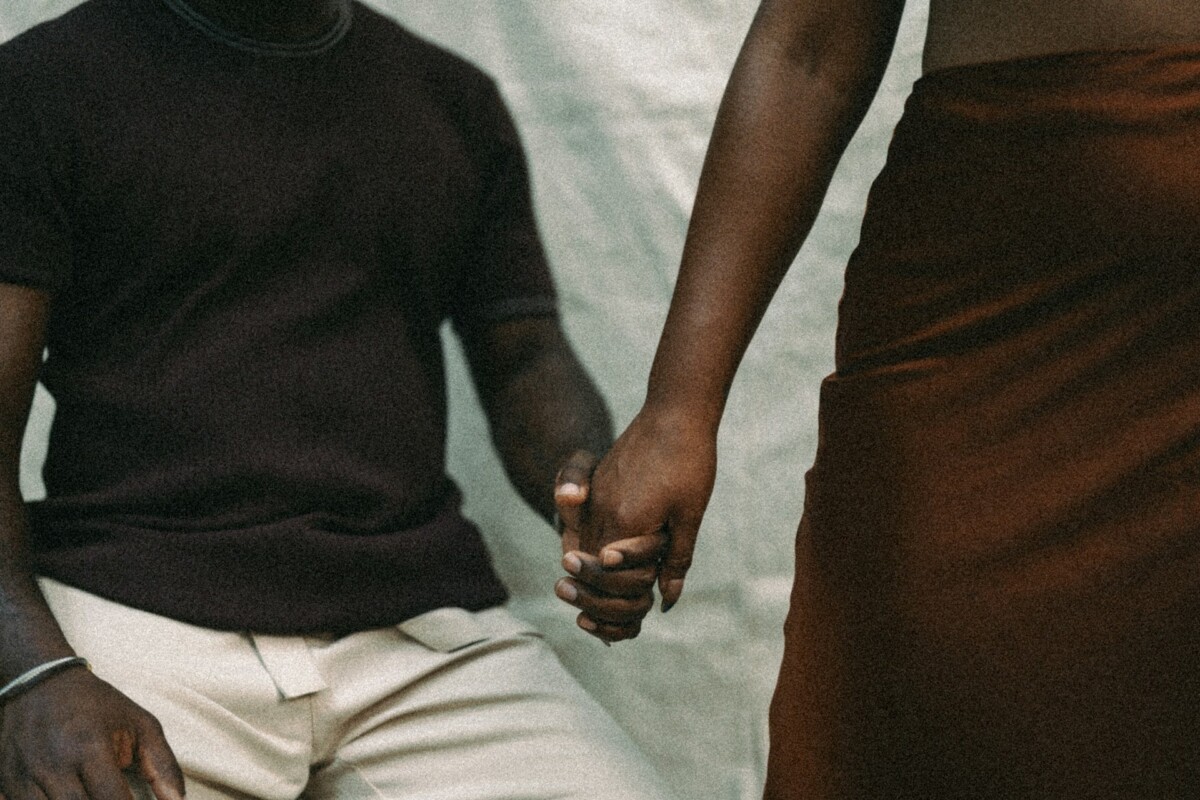
The idealized “Howard love story” imagines finding your soulmate in college, maintaining a healthy relationship through graduation and eventually getting married. While some students may know people who have experienced this, the notion may feel more like a tradition of the past than a modern reality.
From campus traditions and housing challenges to financial aid concerns and the dating scene, the show captures many realities of the HBCU experience. The reboot also raises questions about casual hook-ups versus committed relationships, the blurred lines between sex, friendship and romance and the complexities of dating in college.
One of the clearest examples is the tension between Deborah Wayne (Maleah Joi Moon) and Shaquille Johnson (Cornell Young IV). Their complicated relationship reflects the uncertainty of college dating, as students continue to navigate romantic expectations while discovering themselves
Their storyline reflects a broader issue surrounding romance on HBCU campuses. In many cases, pursuing a physical connection can feel easier than being emotionally vulnerable or committing to a relationship. Before arriving at Howard, many students have likely heard the phrase “Howard/HBCU love story,” a concept that carries its own expectations about romance, relationships and finding love at an HBCU.
Today, that idealized version of the “Howard love story” seems increasingly out of reach. On social media, some students say people prioritize casual, physical connections over emotional intimacy, while others avoid commitment altogether, making it more difficult to build meaningful, lasting relationships.
An emotional connection may exist, but more often than not, the relationship gets caught in the awkward purgatory of a “talking stage” or “situationship.” The talking stage is the middle ground between strangers and an established relationship. There is flirting and emotional attachment, but no clear commitment or expectation of exclusivity, leaving both people uncertain about where they stand.
While these arrangements leave the door open for something more meaningful or physical, they often develop into the latter without progressing toward a committed relationship. This preference for casual physical connections and commitment-free arrangements is part of what has made the traditional “Howard love story” increasingly difficult to find.
Aslan Hughes, a sophomore psychology major from Durham, North Carolina, attributes this shift in dating culture to the COVID-19 pandemic and the influence of social media, arguing that both have contributed to a generational preference for short-term, physical relationships over deeper emotional connections.
“I don’t think people have the attention span to pursue something real anymore,” Hughes said.
Jada Howard, a sophomore psychology major from Fort Lauderdale, Florida, echoed these frustrations.
“Infidelity is not necessarily the issue; it’s more so a lack of commitment,” Howard said.
In previous generations, including Millennials and Generation X, courtship was often characterized by intentionality and effort: bringing flowers, planning thoughtful dates and taking the time to genuinely get to know someone. Today, however, that traditional approach to dating seems to have lost some of its appeal.
Social media has fueled conversations about the so-called “50/50” approach to relationships, while gestures such as taking someone on a date or paying for an outing are sometimes framed as “materialistic” or “gold-digging.” These shifting expectations have arguably diminished the appeal of traditional courtship, replacing intentional efforts to build a connection with debates over who owes what in a relationship.
Being taken on dates was once a common part of courtship. Rather than being viewed as entitled or materialistic, thoughtful dates were considered a romantic gesture and a way to demonstrate genuine interest. For Generation Z, however, that perception has shifted, with traditional dating practices increasingly subject to debate. If we want to see more “Howard love stories,” then we need to go back to these courting methods.
Howard shares a preference for traditional courtship over the more casual approach to dating she sees among her peers.
“Planning a date is a core skill that every man should learn, and as a woman, it allows you to learn so much about a potential partner,” she said.
Experiencing the “Howard love story” has become increasingly difficult in our generation, largely because intentionality and effort seem to be missing from modern dating. Fewer people appear willing to take the time to genuinely get to know someone, plan thoughtful dates or build a meaningful connection.
Instead, students have grown accustomed to talking stages, casual hookups and situationships, normalizing arrangements that require little commitment. As a result, traditional courtship can seem like too much of an ask.
Until our generation begins to value emotional vulnerability, intentionality and commitment again, the “Howard love story” may remain more of a nostalgic ideal than a campus reality.
Copy edited by Jori Johnson