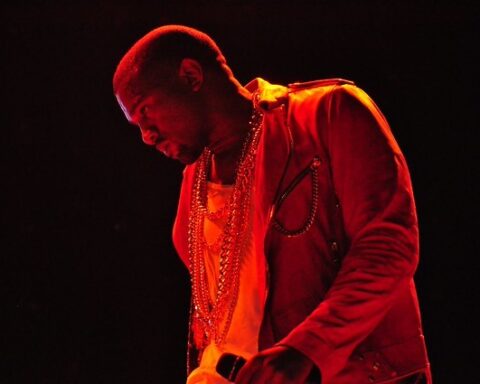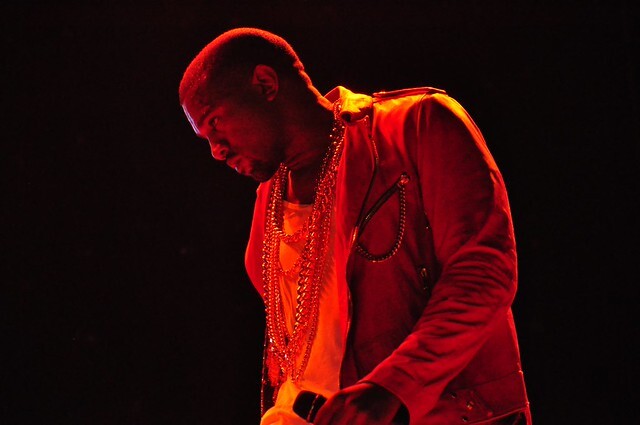
The artist formerly known as Kanye West has been juggling the much-anticipated rollout of his “Bully” album next week along with lawsuits, court appearances over a renovation dispute and an apology tour for previous antisemitic comments.
Now known simply as Ye, he bared it all in a full-page apology letter in the Wall Street Journal on Jan. 26. Though, as weeks have gone by, its significance seemingly lies more in audience perception than in his words themselves.
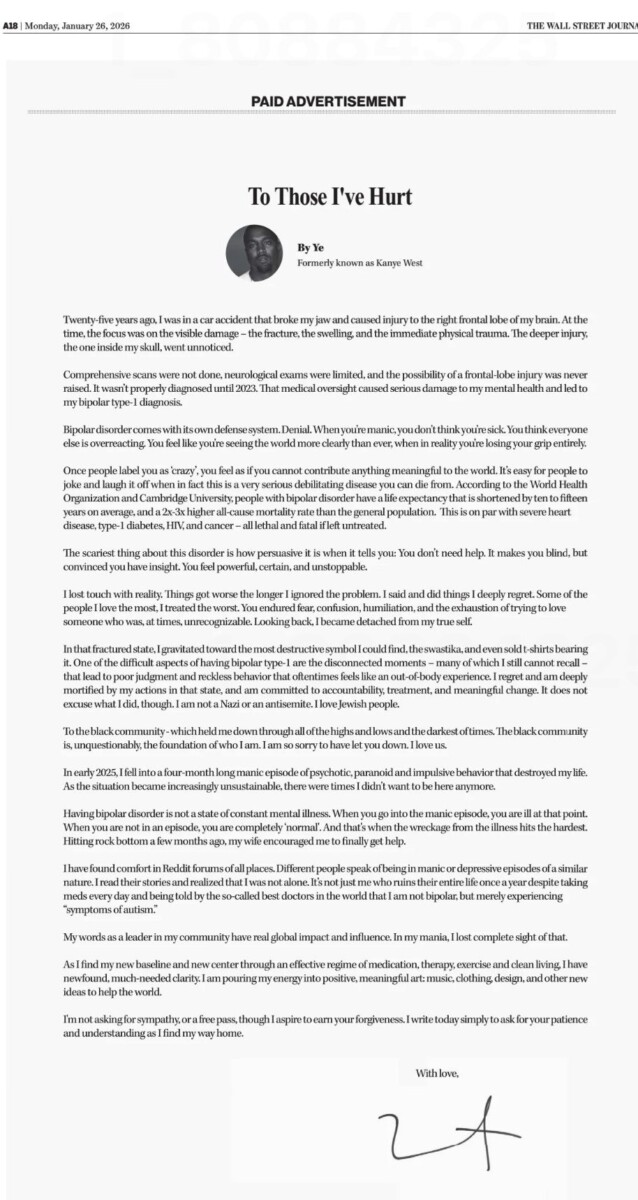
In the letter, titled “To Those I’ve Hurt,” the controversial mogul attempted to rationalize his past erratic behaviors. He directly addressed his mental health struggles, antisemitic comments and trying relationships with the Black community.
West cited Bipolar Type I disorder and undiagnosed brain damage from a 2002 car accident as key contributors, asserting that he “lost touch with reality.” He then denied being a Nazi or antisemite and stated that he now has much-needed clarity.
What represents accountability for some resembles a strategy for others.
Kenneth Yi, a media design major at Hampton University, felt that the apology was sincere but otherwise unnecessary. He also said that it contradicts Ye’s typical, confident nature and that he’s possibly trying to appease the masses and comply with industry standards.
“I just feel iffy about it,” he said. “It makes me honestly think of the rap industry and how it can be corrupted by record labels and [others].”
The letter followed numerous severed business partnerships and suspended social media accounts. Advocacy groups have even condemned the 48-year-old rapper and fashion visionary.
Observers also noted that the apology was conveniently published just days before the original release date for “Bully,” Ye’s 12th studio album. The date was then changed to March 20.
After multiple teasers and date changes, fans can now expect the album on March 27 under a new distribution deal with gamma., a music, marketing and technology company that also represents everyone from Sexxy Red and Steph Curry to Mariah Carey and Snoop Dogg. Tickets are also on sale for a concert on April 1 at Sofi Stadium in Inglewood, California.
While his public and paid remorse has not been the most favorable, the action itself marks one of the biggest efforts the icon has made to reinvent himself.
Last spring, he initially posted on X that he was “done with antisemitism.” In November, he shared a video from his meeting with Rabbi Yoshiyahu Yosef Pinto, where he also apologized for his antisemitic remarks. And then the Wall Street Journal ad came at the end of January.
A spokesperson for the Anti-Defamation League described Ye’s emotional appeal to the Jewish community as one that is long overdue. In a statement to Billboard, however, the ADL pointed out that his letter “doesn’t automatically undo his long history of antisemitism.”
Apologizing ironically appears to be a norm for the rapper. Yet, again, his sincerity is still in question, because of his compromising actions. He is currently facing a lawsuit from a former Yeezy marketing specialist. Jan Doe, as listed on court documents, is alleging that he promoted an uncomfortable workplace that was highly antisemitic in nature. She claims that he often referred to himself as Hitler or a Nazi and that she was especially targeted because she is Jewish.
Ye and his lawyers attempted to dismiss the case and have defended his actions as “artistic expression.”
On college campuses that serve as spaces where free speech, mental health and social consciousness are popular themes, students find the moment to still be relevant, especially because of what it says about celebrity culture and what it means to take accountability publicly.
“Being an artist, you may want to be perceived as [one thing], but it’s always going to be based off of the media,” said Mia Briggs, a business and marketing major at Howard University. “Whatever people think, is what they’re going to go with.”
Yet, students also expressed a mix of skepticism and tentative embrace amid today’s age of cancel culture.
Matan Hudson, a computer science major at Hampton, was receptive to the apology and expressed how details, such as the rapper’s car accident, added to relatability. However, he noted that Ye has a long history of making comments that offend or anger a wide range of people, including African Americans.
“It was such a long time where if he didn’t realize the things he was saying were hurting so many people, it almost questions how far an apology can even take you,” Hudson added.
Some students felt the need to support Ye given that he’s always in the media for something — good or bad.
“People make mistakes,” said Alanna Thorpe, a junior nursing major at Hampton. “He deserves a second chance.”
Mackenzie Wright, a biology major at Howard, was supportive for different reasons.
“It doesn’t change my support for him, because we know how Kanye is,” Wright said. “We’ve seen videos of him.”
“It’s just the entertainment business.”
Jaiden Thomas is a music reporter for HUNewsService.com. Miles Lancaster is a reporter at Hampton University.