In Washington, D.C. and Maryland, several third-party candidates are running for office in the 2026 midterm elections, with campaigns focused on a range of specialized issues. Some voters are casting ballots outside of the two main parties, taking a chance on candidates that may be less popular but more aligned with their values.
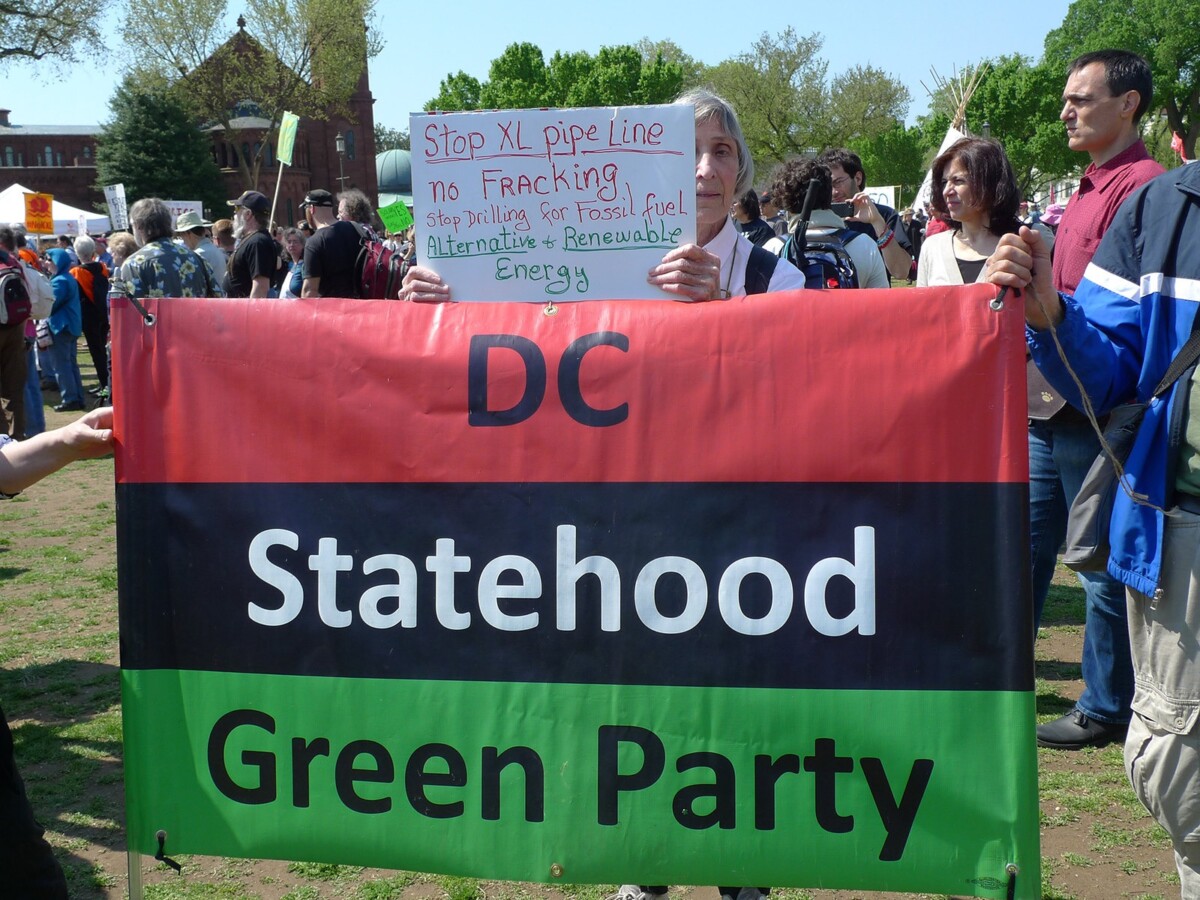
Candidates from the D.C. Statehood Green Party, Green Party and Working Class Party are among those seeking office in the Nov. 3 election. While all three offer alternatives to Democrats and Republicans, they focus on different issues. The D.C. Statehood Green Party pushes for D.C. statehood and more national representation, the Green Party focuses on environmental issues and social justice and the Working Class Party emphasizes workers’ rights and economic inequality.
Third-party candidates often face challenges getting on the ballot, raising money and gaining the same attention as Democrats and Republicans. In Maryland, smaller political parties must collect 10,000 valid voter signatures to gain official recognition. The Working Class Party submitted more than 12,000 signatures to qualify for the 2026 election. Third-party candidates also face barriers to participating in televised debates, making it harder for voters to hear about their campaigns.
Babajide Tella, Ph.D., a political science lecturer at Howard University, said third-party candidates don’t always receive the same amount of news coverage as Democrats and Republicans.
“The media don’t really give them the same attention that they give the candidates of the major political parties,” Tella said.
Among the third-party candidates running in the District is Kymone Freeman, who is running for D.C.’s nonvoting delegate seat in the U.S. House of Representatives as a member of the D.C. Statehood Green Party. Although delegates can introduce legislation, speak on the House floor and serve on congressional committees, they cannot vote on bills in the full House. Freeman has made D.C. statehood a major part of his campaign, arguing that residents who pay federal taxes should also have a vote in Congress.
Freeman, who co-founded We Act Radio, has focused his campaign on D.C. statehood, economic inequality and criminal justice reform. According to his campaign website, he supports putting more government funding toward housing, health care and education while addressing poverty and creating more job opportunities to improve public safety. He also wants D.C. residents to have greater control over their local government and full representation in Congress.
“We are not just fighting for a seat. We are fighting for our future,” reads a statement on Freeman’s campaign website.
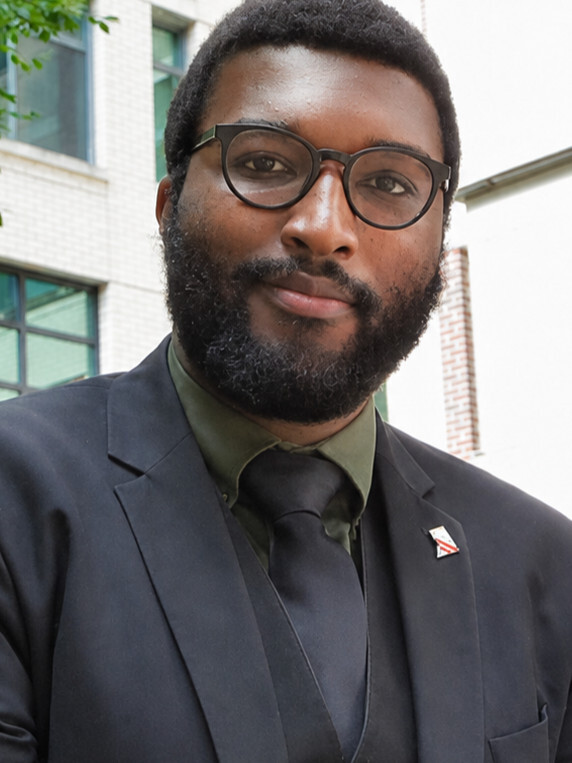
Gross has focused his campaign on affordable housing and improving city services. Under his proposed District Housing Utilization and Family Stability Act, he wants to create separate housing vouchers for families with children and individuals, including seniors and workers, to better address their housing needs.
He also supports requiring new buildings and major renovations to meet environmental standards that could help reduce energy costs.
Gross has proposed using artificial intelligence to improve how D.C. government agencies operate. His plan includes speeding up building permits and housing approvals, improving city budgeting and reducing wait times for government services. He also wants to create online dashboards where residents can track how well city agencies are performing.
Myles Hickman, a senior architecture major from North Carolina who is registered to vote in D.C., said he ranked a D.C. Statehood Green Party candidate as his second choice because he supports D.C. statehood and agrees with much of the party’s platform.
“I think there’s some things that I disagree with, but overall, I agree with them. I think D.C. should be a state,” Hickman said.
Although Hickman supports the party’s policies, he believes third-party candidates lack the political influence needed to win elections in D.C. He ranked Democratic candidate Janeese Lewis George first but wanted to show support for the Statehood Green Party through his second-choice ranking.
Hickman also said neither major political party fully represents his views.
“I think the Democratic and Republican parties of the United States in general are too conservative for me. Both of them,” he said.
While some voters see third-party candidates as an opportunity for greater political representation, others question their impact on elections.
Jaiden “Zuri” Smith, a second-year political science major, said they believe third-party candidates can draw support away from Democrats without having enough political influence to win elections.
“I feel like third parties are actually just used to actually throw elections,” Smith said.
Smith believes that third-party candidates often promote policies similar to those of Democrats but face challenges getting elected and putting those policies into action.
“They offer so many Democratic ideals and policies they know that they can never actually put in place,” Smith said.
Smith believes that supporting a major-party candidate may be more effective, even when that candidate does not fully align with a voter’s political views, because major parties have more established political influence and resources to help their candidates get elected and advance their policies.
While D.C. candidates are focusing on local issues like housing and city services, third-party candidates in Maryland are addressing concerns across the state. Green Party candidate Andy Ellis is running for governor alongside his running mate, Owen Silverman Andrews.
Ellis wants Maryland to declare emergencies involving climate change, energy, food and water. He has also called for stopping new data center development, fully funding public schools and reducing the influence of corporate money in politics. His campaign supports giving residents more say in government decisions and making it easier for third-party candidates to participate in elections.
His campaign also supports reparations for descendants of enslaved Africans and Black Marylanders affected by discriminatory policies. His proposal includes direct payments and investments in housing, education and health care.
Cathy White, the Working Class Party candidate for Maryland governor, is running alongside Cathy Permut on a platform focused on wages, affordable housing and workers rights. White who has worked as a factory production worker for 40 years, has spoken about the challenges workers face as wages fail to keep up with rising costs.
According to her campaign website, White supports higher wages, better public transportation and improvements to public schools. She has also criticized tax breaks for wealthy corporations and called for greater transparency in how public money is spent.
Her campaign focuses on expanding workers’ political representation and addressing economic inequality.
While voters like Smith question whether third-party candidates can make a difference in elections, Hickman believes supporting them can help build their political influence over time.
“Voting for them even as a second choice shows that I support them, and I feel like if more people do that, their power and their influence in government will grow even if they’re not being voted into office,” Hickman said.