WASHINGTON (HUNS) – Diving isn’t a sport Black people do. I’ve heard that sentiment throughout my entire diving journey — whether being called a “weird child” by family or being told it’s strange because “Black people don’t swim.”
That’s the box that society has placed me in. But being a diver at Howard University and the groundbreaking success of our swimming and diving teams dismantle this narrative.
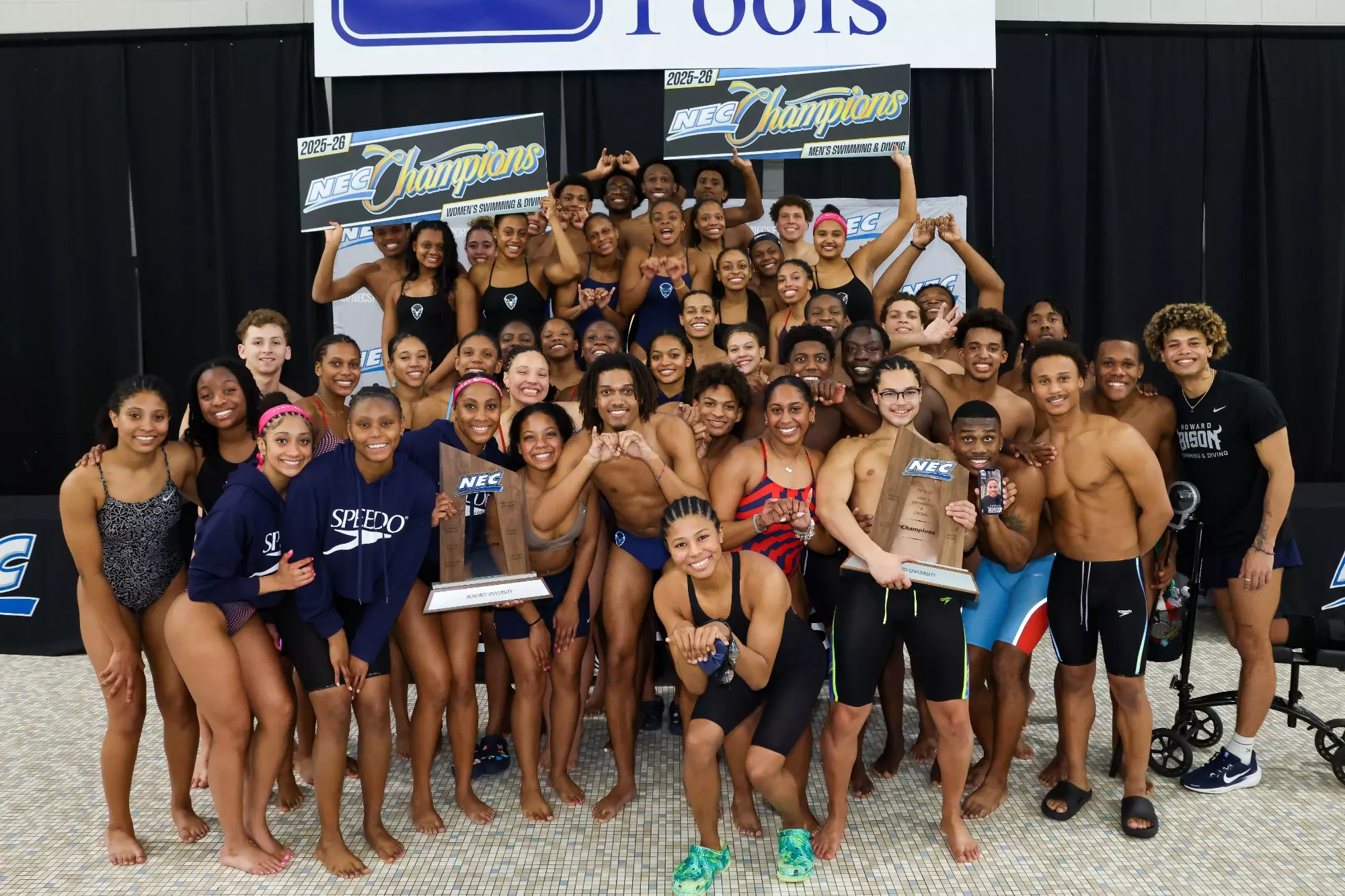
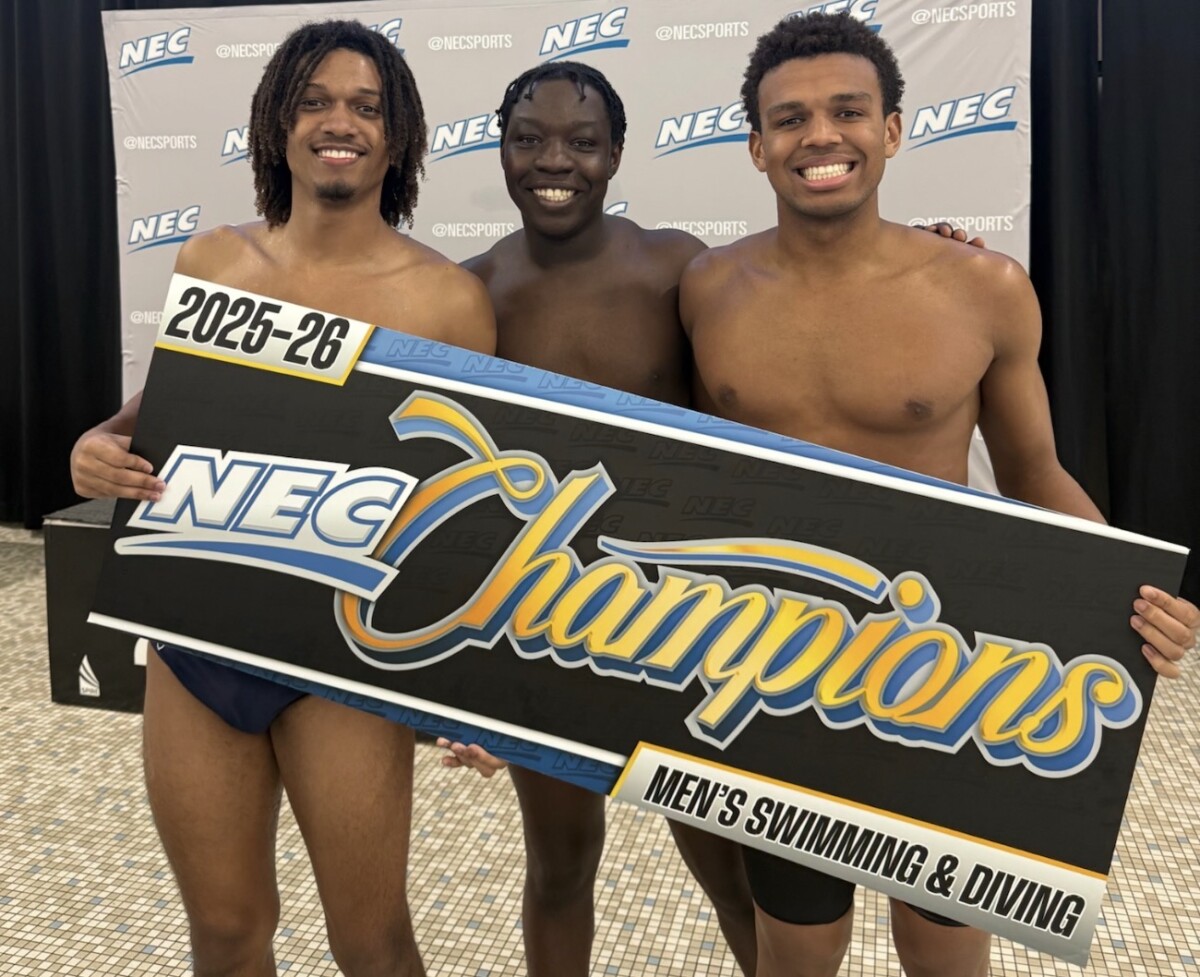
We’re double champions. Our men’s team won its third Northeast conference title in February, and this is the first time that an HBCU women’s swimming and diving program has won a conference title.
This unexpected journey began during my sophomore year in Texas, where the Garland Independent School District had erected a natatorium to prevent students from traveling back and forth to an outdoor pool an hour away and having to stretch on gravel with no mats.
I discovered the sport of diving when I saw an advertisement to join my high school’s swim and dive team. I had only been exposed to swimming through lessons with my cousins when I was younger. Diving also landed on my radar, because I wanted to become a letterman like my older siblings, and athletes had to be on any varsity team for only two years to earn a jacket.
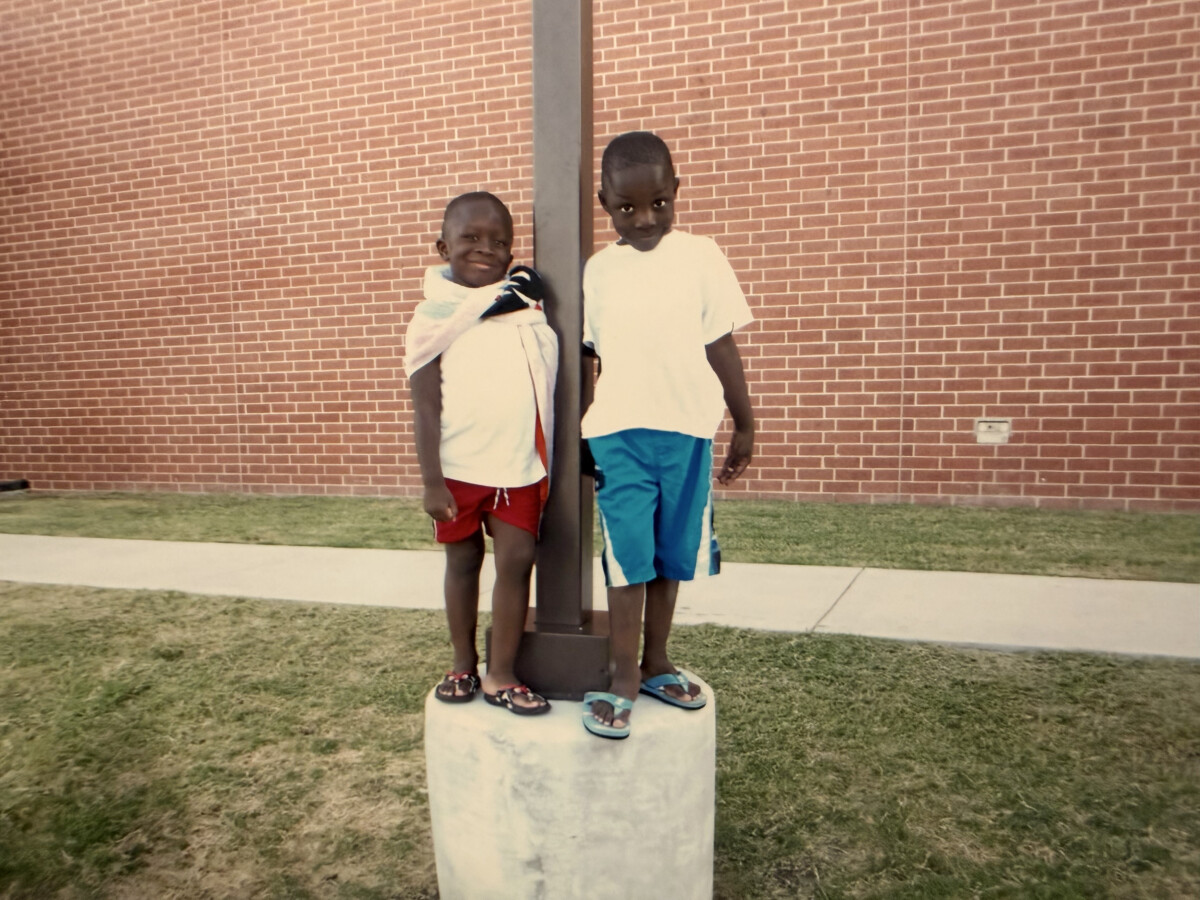
But on a deeper level, watching the Olympics evoked something in me after seeing divers being simultaneously strong and graceful. So, despite growing up participating in basketball and track, both non-acrobatic sports, I was still motivated to dive.
However, my mother had a different opinion.
“No, you will not do diving,” she told me. “You will hit the diving board, break your spine and become paralyzed.” Usually, whatever my Jamaican mother told me goes, but I couldn’t let go of the urge to dive.
During my first season, my mother thought I did only swimming, but I was secretly diving, too. Still, whenever I did kickboard sets, I’d glance over at the diving boards with the thought that was what I’d rather be doing.
When my first competition occurred, my mom finally found out and was furious no matter how much my elder siblings tried to convince her to support me. After a coworker told her that diving is in the Olympics, it eased her worries and she finally let me dive. From that moment, I chose to commit myself fully to diving.
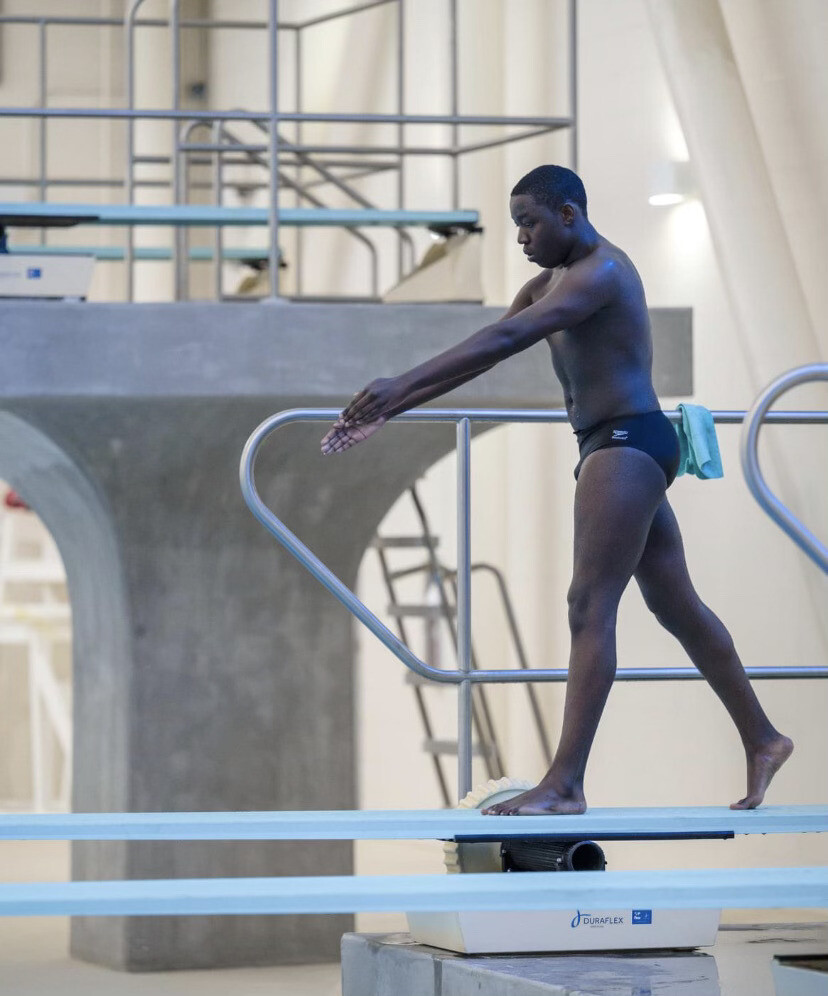
By spring semester of my senior year of high school, I had contacted more college dive coaches than I could count on my fingers and received numerous rejections. It was a year of self doubt not only for me, but also for those around me including the coach of my club diving team.
Family members even urged me to be realistic and quickly decide on a Texas college. My desire to attend a school out of state nearly caused me to settle on Louisiana State University. At one point, my elder brother, Babajide, told me to give up my dream of competing on on the Division 1 level in the National Collegiate Athletic Association (NCAA) and accept defeat by going to LSU as a non-athlete.
Babajide later reflected on his journey of college athletics in basketball. He had no coach support and his school counselors all left his second semester. He didn’t commit to a school until a few weeks before graduation.
“My situation was similar, because I had no idea where I was going to play collegiate basketball when I was in high school about to graduate,” he said. “However, one tournament, one person, one conversation changed my entire outlook, and I got the opportunity to play Division I basketball. So, I highly urge you to keep your faith, never give up and always, always believe in yourself.”
So I stumbled upon Howard University, a leap of faith that took patience from various emails. I reached out team members to be a proxy in my stead and to connect me with the coaches. But by betting on myself, I signed in April of my senior year to a program with more impact than I knew at the time.
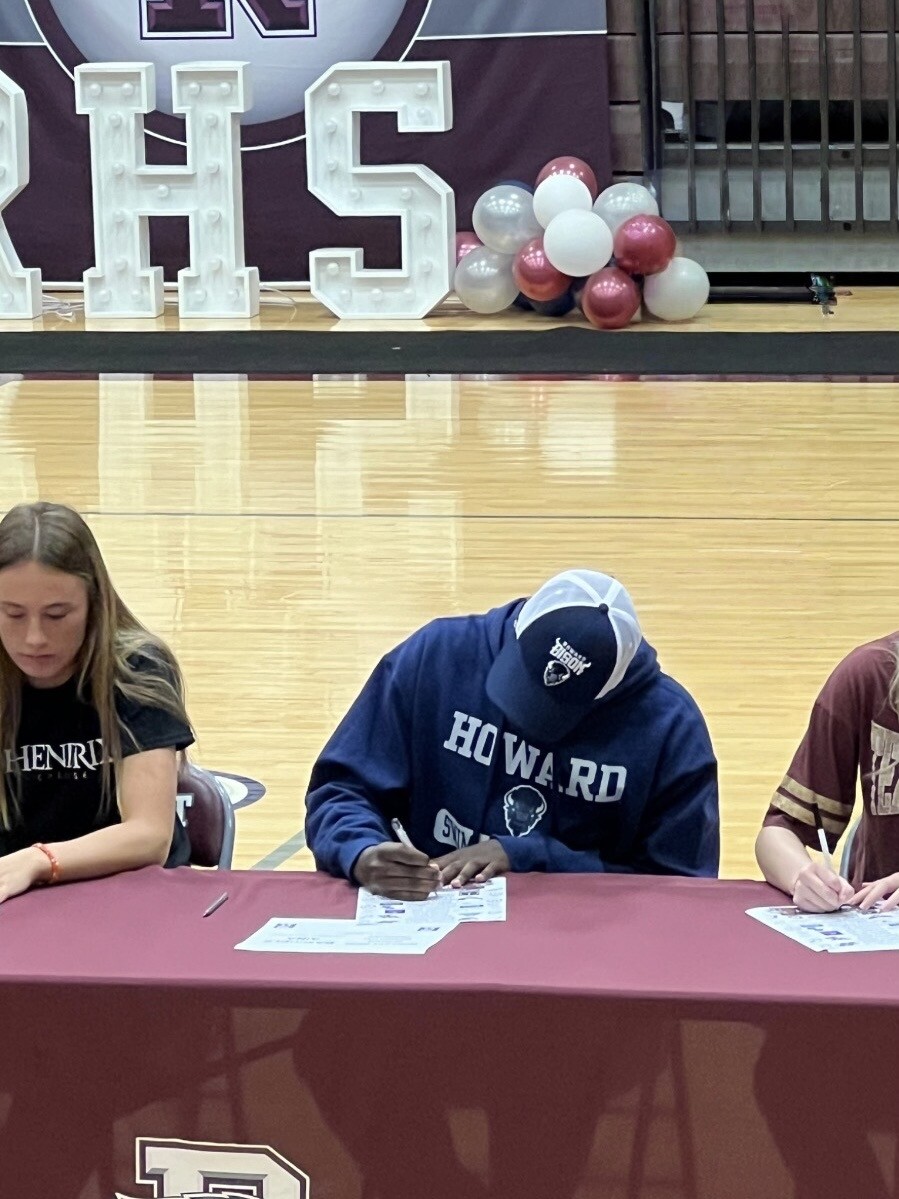
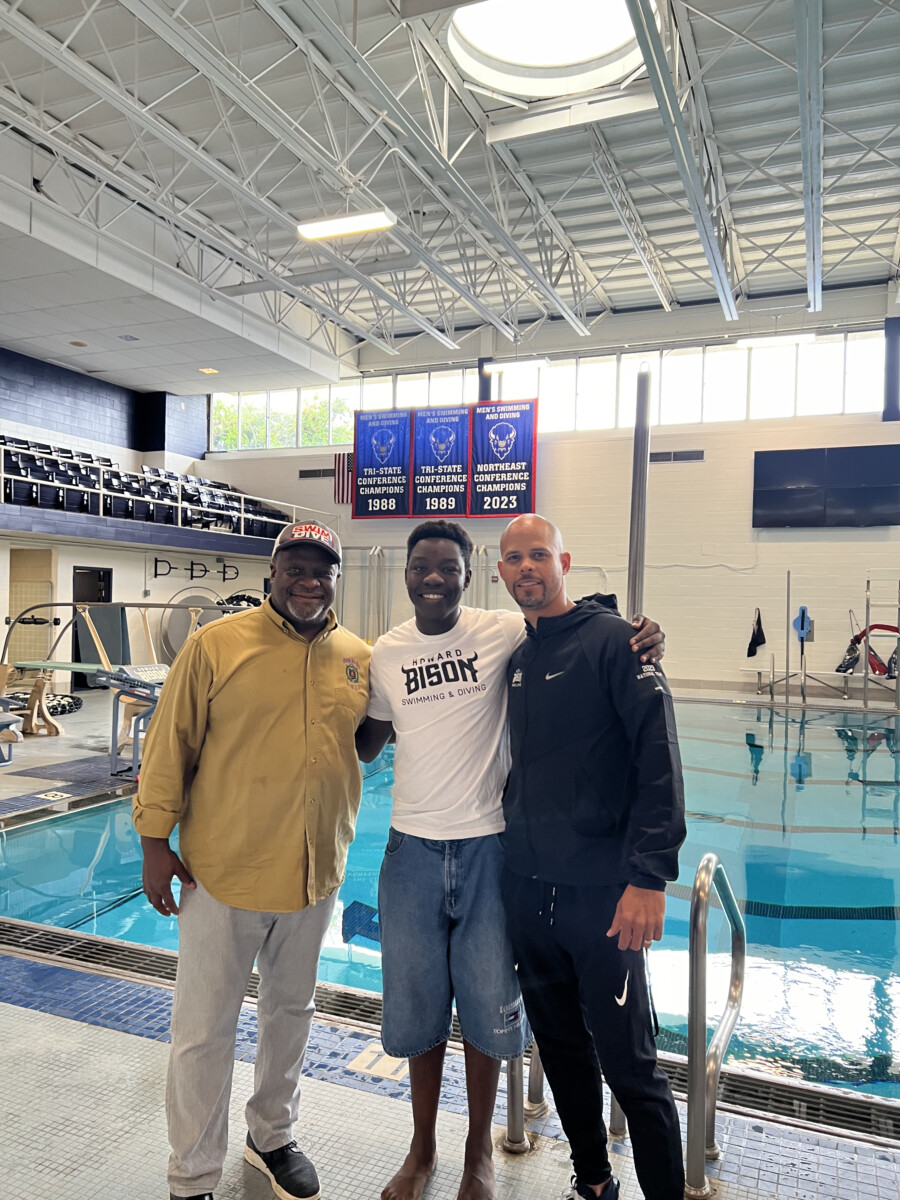
Beyond athletics, I chose Howard to explore life outside my small city. In Texas, my teammates called me “Reggie” or “Regionald” to the point that other athletes in our district didn’t know my real name. Some Black athletes from other schools were complacent, agreeing it was funny and claiming it wouldn’t bother them if they were in my position.
At Howard, I finally gained a Black coach who could understand me, unlike the coaches who told me I don’t have “the look or body” to be a diver. It was a one-of-a-kind experience to no longer be in the minority. I didn’t stick out like a sore thumb with my mom being the only person who looked like me in the stands.
I had opted to walk a different path than my former peers who all chose Texas schools. I chose to embrace a team with athletes who all shared the same challenges, competing in a white-dominated sport in a society that doesn’t deem us “the norm.”
My freshman year was a period of growth. Those who knew me back home recognized my transformation from living in Washington. They all agreed that I had grown more mature and wasn’t the same Bamidele.
Another teammate, Solomon Goins, a freshman journalism major, experienced the same shift. He also came to Howard from the Dallas-Fort Worth area in search of new horizons in the nation’s capital and gaining the chance to compete at the only HBCU with a swim and dive program.
“Competing for the swimming dive team and, you know, having a historic year has shown me that this is exactly where God wants me to be,” he said.
Despite the difficult training, Goins connected his growth to the values he’s learned to rely on and the people he’s met.
“At the end of the year, I didn’t really get all I wanted timewise yet, but I still realized that the lessons I’ve learned from my failures are way more valuable.”
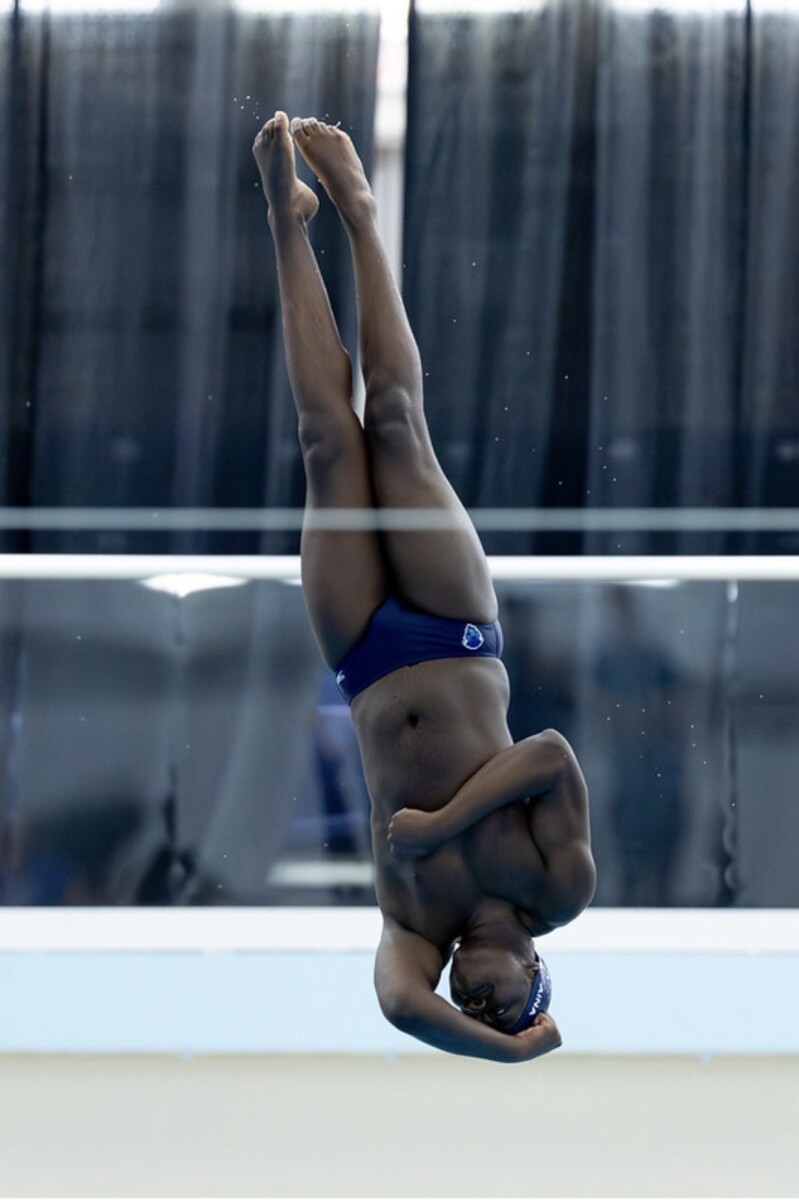
Growth is something I’ve also experienced and what it took to reach the historic point of winning a conference title.
The journey wasn’t an easy one. We’re constantly weightlifting and training throughout the week from September to February. Each member of the swim and dive team dedicates an estimated 22 hours a week plus classes, extracurricular activities and competitions added into the mix.
In addition, the dive team travels to an off-site location, because our pool lacks a 3-meter diving board. These challenges are what comes with being on a team with spare resources, while facing expectations to succeed. Despite these obstacles, the team’s combined effort bore success and made history.
This transformation was put into motion long before I stepped onto The Yard. Swim captain and graduating senior Skylar Debnam credits healthy team culture and an atmosphere she didn’t experience during her freshman year.
“This team has transformed in a way I never imagined possible,” Debnam said. “When I first came in as a freshman, I didn’t feel as welcomed by some of the other classes. There were lots of cliques based on experience and reliability.”
“So if you didn’t have those shared experiences, it might have made it more difficult to talk to them let alone be included in ‘the group.’”
“Now there’s more of an emphasis on making sure people feel welcome,” she said. “Lots of conversations take place amongst different classes about a variety of topics ultimately bringing us together.”
“Every team has its challenges, but the overall atmosphere and culture of the team is healthier than it once was.”
Our team returned to campus in the fall, manifesting a common goal of victory. After every meet, the coaches told us to shout our mission. “Win conference!” would always erupt loudly across the room.
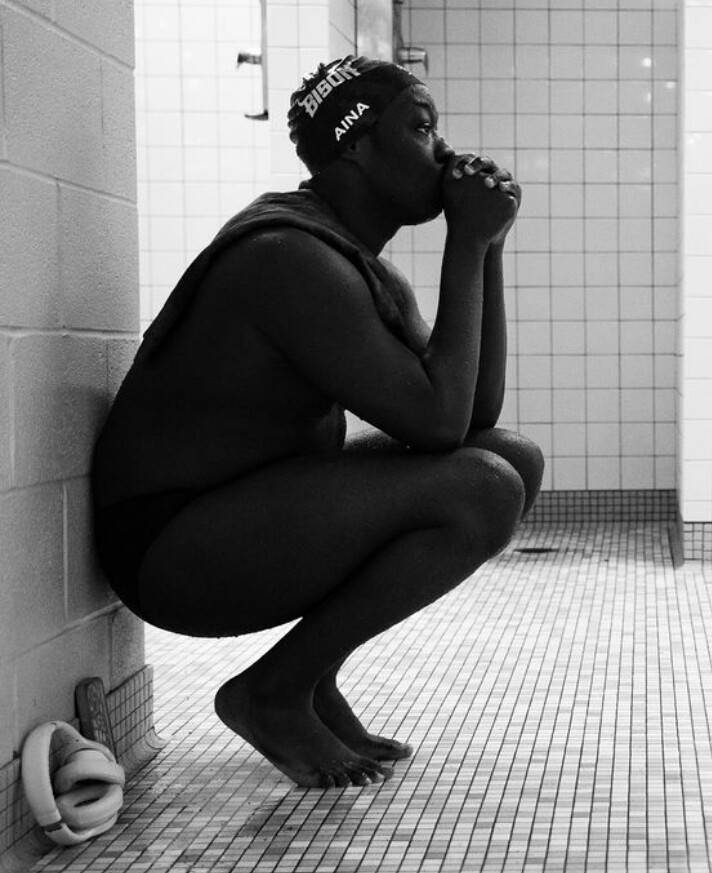
“After seeing constant improvement from year to year, confidence grew resulting in more emphasis on team goals,” Debnam said. “Fast forward to now; there’s a collective goal and desire to win the conference.”
“There’s a different level of seriousness,” she continued, “as well as understanding of what it’s going to take for each individual in order to make our goal of winning a reality.”
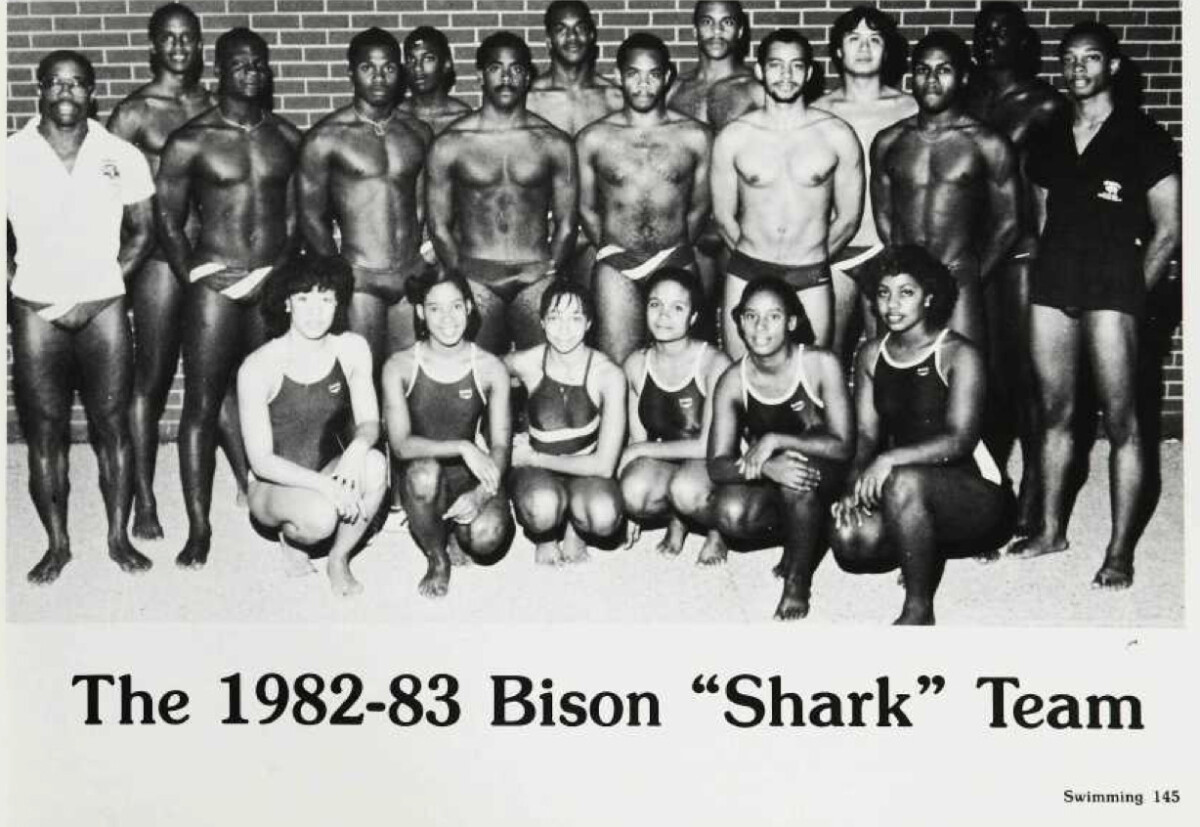
The Howard University program didn’t always look this way with champions on both sides of our program. My diving coach, Courtenay Miller, an alum of Howard swimming and diving, always emphasized the immense growth he’s seen since he was a student-athlete.
The number of athletes has skyrocketed from 14 people men and women in the 1980s to 60 athletes strong across swimming and diving in 2026. The team went from having only one diver without a coach to now having eight divers.
Coach Miller shared a speech before my first conference as a freshman that has stuck with me to this day. He urged us to allow nothing to distract us whether it be other competitors, noises while diving or even ourselves.
“The dive team is able to take up space on both 1 meter and 3 meter embrace taking up space because you deserve to be here,” Miller said.
“Don’t forget to be in the moment,” he added, quoting “I Have Only Just a Minute,” a poem by Benjamin Elijah Mays, the sixth president of Morehouse College and dean of religious studies at Howard from 1934 to 1940.
“I’ve only just a minute, / Only 60 seconds in it. ... / Just a tiny little minute, / But eternity is in it.”
Being a part of the Howard University swimming and diving team is contributing to a legacy bigger than myself. We’re proving that Black excellence is more than making aquatic history.
Black history is modern-day American history, occurring with us continuing to excel in and out the water.
Sophomore diver Bamidele Aina is a reporter for HUNewsService.com.