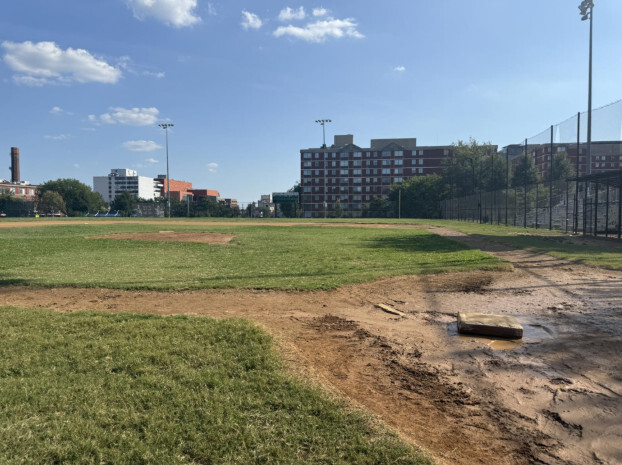
WASHINGTON (HUNS) – Nearly two decades after Howard University disbanded its NCAA baseball program, students and alumni are using a club team to advocate for its return.
Despite fielding one of the few programs at a historically Black college and university (HBCU), Howard cut its program in 2002, citing financial pressures and shifting athletic priorities.
Today, the Mid-Eastern Athletic Conference no longer sponsors baseball. Fewer than 20 of the more than 300 Division I programs nationwide are sponsored by HBCUs, creating what students call “cultural and athletic gaps.”
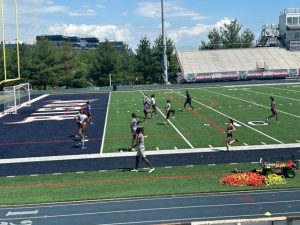
Still, baseball at the university survives on determination and grit, with students forming the Howard Baseball Club three years ago to train, fundraise and increase visibility.
“It’s not hard to get people to play baseball at Howard,” club alumnus Toussaint Fancher said. “The challenge isn’t interest. It’s financial, administrative and cultural support.”
Current players described the difficulties of finding practice space and relying on small student government allocations to keep the team running.
“We were literally jersey swapping during games because we didn’t have enough money to buy full sets,” club catcher Ashad Erby said. “We had to cancel games when vans fell through. Most of the time, we carpooled or even Ubered to matches.”
Erby emphasized that adding university support to the team’s existing talent would increase its ability to compete and gain prominence.
“Kids want to come here for the culture and the history,” he said. “Baseball could be a part of that legacy again if it gets the recognition it deserves.”
Like Erby, second baseman Scott DeLisle believed students should not have to choose between attending HBCUs and playing competitive baseball.
“I don’t think my experience at Howard would be the same without baseball,” DeLisle said. Playing has meant everything to me.”
DeLisle said many high school athletes have contacted the club team on social media looking for opportunities to continue playing baseball at an HBCU.
“Bringing baseball back to the NCAA would change a lot for players, especially when it comes to scholarships and attracting more talent,” he said.
Beyond campus, the baseball club’s efforts reflect a broader national conversation about the declining representation of Black players in Major League Baseball.
Only about 6% of college baseball players are Black, according to a 2023 NCAA report.
By comparison, Black athletes comprise more than 40% of Division I football players and nearly 60% of male basketball players.
HBCUs have long played an important role in developing baseball talent and increasing visibility for Black athletes in the sport.
Advocates, including the nation’s oldest historically Black athletic conference, said restoring baseball programs at HBCUs, like Howard, could strengthen the college-to-pro pipeline for Black players.
“Schools in conferences, like the Southwestern Athletic Conference, have produced players who get drafted and reach the major leagues,” former Howard baseball coach Ron Harris said. “Programs like that show the level of talent that can come out of HBCUs.”
During its time, Howard’s program competed against the best teams in the country.
Harris said he and many others were devastated by its elimination.
“The players who came through that program took it seriously,” he said. “We played the top teams on the East Coast, and we competed with them.”
For Harris, alumni and club players, baseball is about more than winning or losing a game.
Every Monday the club volunteers at the Washington Nationals Youth Academy, mentoring children from Southeast Washington in baseball fundamentals and academics.
For DeLisle, the service is as meaningful as the sport itself.
“It’s amazing to know I can make a difference, even if it’s just a small one,” he said. “We’re helping kids who might not be exposed to baseball at all otherwise. That’s powerful.”
Still, significant hurdles to restoring the NCAA program remain. Title IX compliance, facility upgrades and millions in operating costs are required.
Alumni said the effort is worth pursuing to expand opportunities for Black athletes.
“Howard’s stature has only grown, and a quality program could attract athletes from all around the country,” former Howard player Rock Newman said.
For now, the Howard Baseball Club will continue practicing wherever space is available while advocating for the opportunity to return the Bison name to the NCAA.
Harris encouraged students to remain persistent in their efforts.
“The only way you get recognized is to keep pushing,” Harris said.
Grant Roundtree is a reporter for HUNewsService.com.