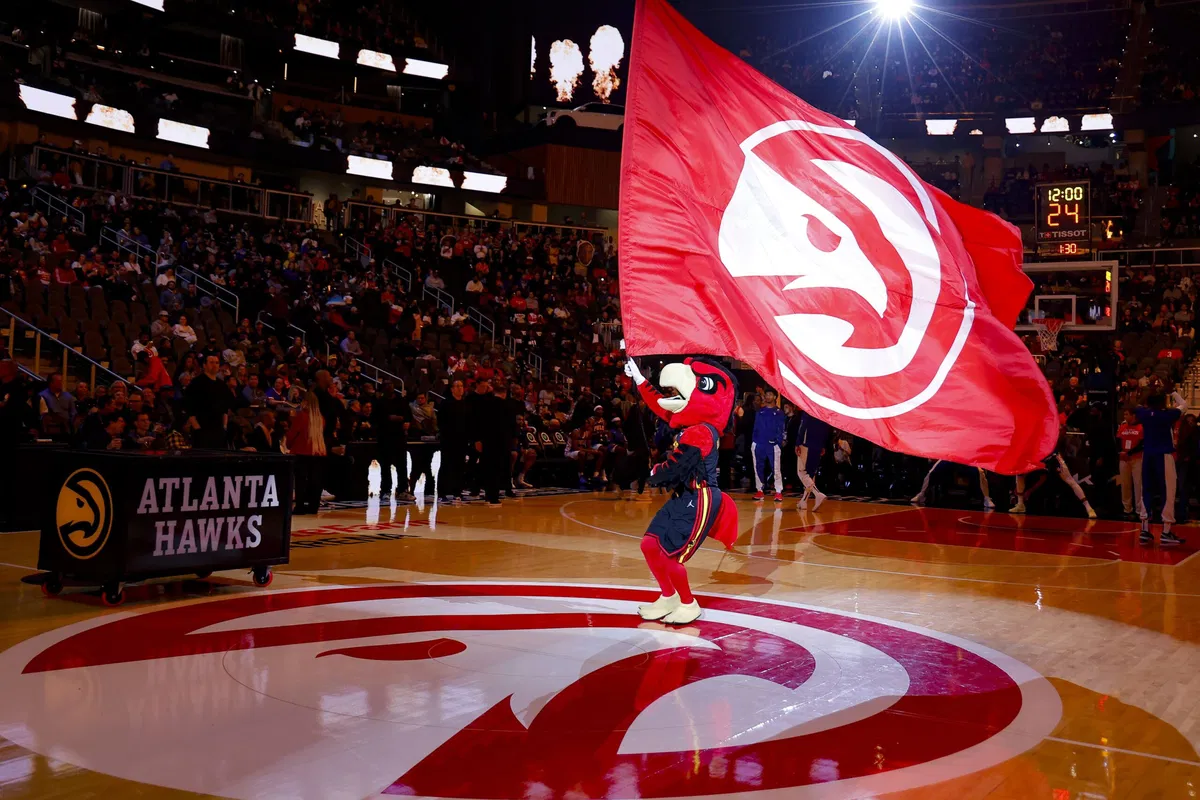
WASHINGTON (HUNS) — A planned promotion by the Atlanta Hawks celebrating the famed Atlanta strip club Magic City quickly escalated into a league-wide debate over culture, gender politics and the NBA’s public image.
The Hawks had planned to host a themed “Magic City Monday” during this week’s game against the Orlando Magic, celebrating an adult entertainment venue widely regarded as one of the most influential nightlife institutions in Atlanta. The event will still include themed food such as Magic City’s famous lemon pepper wings and a halftime performance by T.I. at State Farm Arena.
But the NBA ultimately canceled the event after backlash from players and others around the league.
NBA commissioner Adam Silver said the decision came after stakeholders raised concerns.
“We’ve heard from many different voices about this promotion,” Silver said. “Given the concerns raised, we think it’s best that the promotion not move forward.”
The controversy began when Luke Kornet, a center for the San Antonio Spurs, publicly criticized the promotion, arguing the National Basketball Association should avoid events connected to strip clubs.
Kornet suggested the NBA should prioritize respect for women, writing that the league should work to “protect and esteem women.”
His comments quickly sparked debate across the NBA community, with some supporting his concerns while others argued he misunderstood an aspect of Atlanta’s culture.
One central argument from critics was that a promotion tied to a strip club could reinforce the objectification of women.
Those opposed to the event argued that the NBA, a league that markets itself as progressive and socially conscious, should avoid associating its brand with environments where women’s bodies are central to the entertainment. The NBA also risked sending a conflicting message about its values, critics said.
However, others said this framing oversimplified the issue and ignored the perspectives of dancers themselves.
Former Hawks guard Jeff Teague strongly pushed back against Kornet’s criticism during an episode of his Club 520 Podcast.
Teague argued that Magic City represents far more than just a strip club and is deeply tied to Atlanta’s identity.
“It’s bigger than women,” Teague said. “Magic City is a cultural landmark in Atlanta.”
Magic City has long been connected to the city’s hip-hop and sports scenes, with artists frequently debuting music there and athletes regularly visiting the venue.

Supporters of the Hawks’ promotion argued the event was meant to celebrate an iconic part of Atlanta’s nightlife rather than promote exploitation.
Others pointed out that the controversy revealed inconsistencies in how the NBA approaches morality and public relations.
A column published by Defector suggested the league’s decision to cancel the promotion was less about protecting women and more about protecting its image.
“The Hawks’ Magic City Night was too misunderstood to live,” the article argued, suggesting critics reduced the venue to “just a strip club” while ignoring its broader cultural significance in Atlanta.
Writing for Defector, the author noted that Magic City has long functioned as a social and political hub in the city.
“If you’re a politician running for office in Atlanta or Georgia, you go to Magic City at some point,” the article stated, arguing that the venue holds cultural influence that extends beyond nightlife and into business and political circles.
The article also argued that the backlash overlooked the role of the dancers, whom the author described as athletically skilled performers and central to the club’s identity.
Some critics also pointed to another example they say highlights the league’s inconsistent standards.
During the 2023 NBA All-Star Weekend in Salt Lake City, Hall of Fame forward Karl Malone served as a prominent ambassador for the event.
Malone, who spent most of his career with the Utah Jazz, remains one of the most accomplished players in NBA history. However, his appearance at the event drew criticism due to allegations from his past.
In 1983, when Malone was a 20-year-old college basketball player at Louisiana Tech University, he impregnated a 13-year-old girl named Gloria Bell. Their son, Demetress Bell, later played in the NFL. Malone initially denied paternity before later acknowledging the relationship.
For critics, the league’s willingness to celebrate Malone while canceling the Hawks’ event highlighted what they see as selective moral standards.
The controversy surrounding the Hawks’ promotion ultimately expanded beyond one marketing event.
At its core, the debate reflects competing perspectives about how the NBA should balance cultural authenticity, corporate branding and social responsibility.
Grant Roundtree is a reporter for HUNewsService.com