Black Gen Z voters favor candidates who prioritize their needs over corporate interests.
According to the Center for Information & Research on Civic Learning and Engagement (CIRCLE) at Tufts University, Gen Z’s voter turnout in presidential and midterm elections is higher than that of previous generations, such as Gen X and Millennials, at the same age.
For example, Gen Z has seen historic youth voter turnout, especially in recent major elections. Additionally, research conducted alongside When We All Vote showed that Gen Z cares more about issues, such as the cost of housing and healthcare, than party affiliation. Because 43% of Gen Z does not identify with any political party, most of Gen Z’s political conversations focus on policy rather than party affiliation.
Moreover, CIRCLE found that Gen Z has made specific demands of candidates: they reject the status quo and want systemic change in the political system, as they do not accept corporate influence on candidates or money in politics overall. Lastly, Tufts CIRCLE data showed that Gen Z prefers grassroots, community-driven organizing over traditional party infrastructure: 88% will initiate political conversations with family and friends, 78% will sign petitions, and 57% will boycott and protest to drive social and policy change.
In the 2026 midterm cycle, we are seeing a clear shift in enthusiasm for more progressive and/or Democratic Socialists of America candidates because they are speaking specifically to policy issues that are impacting all Americans. A clear reason for this enthusiasm is that there are candidates such as Abdul El-Sayed in Michigan, Daniel Bliss in Illinois, Cait Conley in New York, and Rebecca Bennett in New Jersey who are speaking out in support of campaign finance reform, have signed a “No Corporate PAC” pledge, and have refused to take money from AIPAC.
Even with many of these candidates going up against individuals who have significant backing from AIPAC or corporate PACs, for example, Rep. Haley Stevens’ campaign outspent Abdul El-Sayed’s campaign by more than an 11-to-1 margin, with Stevens receiving millions of dollars in AIPAC money; El-Sayed still won his primary against Stevens, even though the financial odds were not in his favor. His momentum came from being a grassroots and community-driven candidate who made it a mission not to let the outspending stop or hinder his campaign, which ultimately led him to victory.
Gen Z, specifically, favors candidates who prioritize them over corporate interests. In that regard, more money behind a campaign will not determine a winner.
This was evident during the midterm primaries nationwide. Many progressive and Democratic Socialist candidates have focused on issues that truly impact voters locally. It is no longer enough to be anti-Republican or anti-President Trump. Gen Z voters want to hear policies that will ultimately lead to life-improving outcomes.
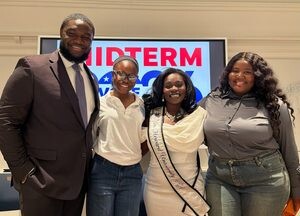
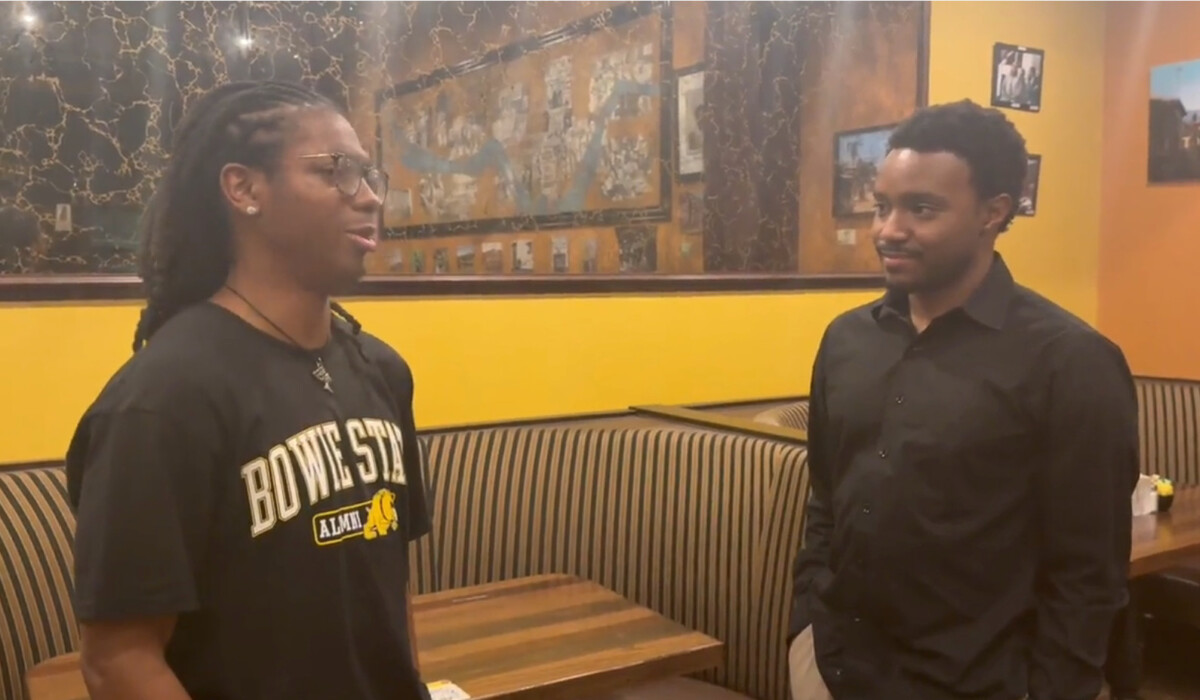
Black Gen Z voters, especially, are using voting and grassroots organizing to push for change in the current political system, as young people feel the effects of the status quo.
This news package was produced in partnership with Elijah Williams, a senior Film & TV major at Howard University, who assisted with videography. Madison Maynard is a senior Honors Broadcast Journalism major at Howard University. She hosts Time to Talk Politics on WHBC 96.3 HD3, serves as the anchor of Spotlight Network’s Herd It All, and hosts her own podcast, Power, Policy & Progress with Madison Maynard, as she builds her career as an aspiring political reporter. You can follow her on Instagram @44wethepeople.