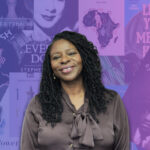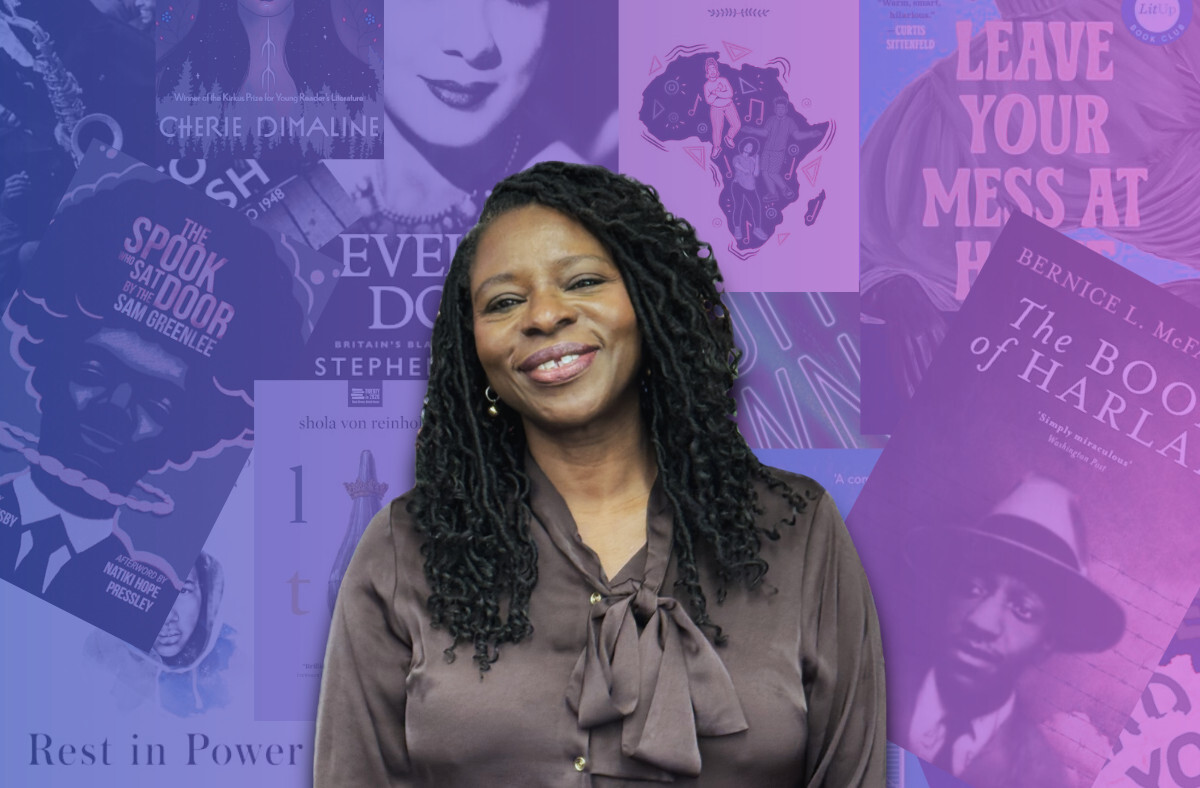
Valerie Brandes needed a job.
At 48, the mother of two had earned a master’s degree in publishing studies and spent a year as an office manager at a London publishing house. Other jobs weren’t coming.
“I wasn’t getting jobs,” she said. “And it was just the whole thing about necessity being the mother of invention.”
She knew how to pick a good book.
She also knew the publishing industry had a diversity problem — one its leaders kept studying without doing enough to address it.
“They make all these reports, you know, year in, year out about the state of the industry,” she said. “But no one’s doing anything about it.”
Brandes founded Jacaranda Books in 2012. In its early years, she and an assistant worked at her kitchen table, publishing writers she believed the industry had overlooked.
“It’s not that they weren’t there,” she said. “Just no one was looking for them.”
Nearly 15 years later, Brandes is thinking about who will carry the company forward. As London-based Jacaranda prepares for an official U.S. launch in 2027, she is looking to historically Black colleges and universities to help develop the next generation of Black publishing professionals.
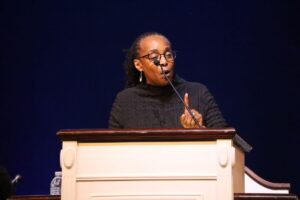
That effort brought her to Howard University on Oct. 19, where she presented internship opportunities to students considering their own entry into publishing.
Those opportunities grew out of a mission Brandes described fluidly and at length: connecting Black writers across Britain, Africa, the Caribbean and the United States.
“Archiving Black culture and understanding Blackness is at the heart of what we do,” she said.
An Eye for the Overlooked
Preserving Black culture meant publishing a range of Black lives. Brandes wanted Jacaranda’s books to reach beyond the stereotypes she saw in British publishing.
“So we were very intentional about bringing in romances and crime and futurism and all these different genres,” she said.
Her own reading preferences didn’t always predict which manuscripts would win her over. Discussing “A Lick of Bitter for a Spoonful of Sweet” by African American author Lori Tharps,
Brandes offered a small confession.
“I do not read romance,” she said, one hand on her chest and the other extended, flashing her metallic purple nails. “I love her book.”
The writing and characters had drawn her into a genre she rarely read. “It’s always what’s on the page,” she said. “Always.”
Her editorial choices also brought Black American experiences to readers in Britain. One acquisition that stayed with her was the book written by Trayvon Martin’s parents.
Brandes approached the U.S. publisher for the rights. In Britain, she recalled, readers rallied around the book and wanted to hear from Martin’s parents.
The response helped her recognize the reach of the work she was doing from London.
“It was just a really powerful moment for me in terms of, like, understanding the significance of what I, this little Black girl from Hackney, is doing and why it’s important,” she said.
Twenty Writers, One Year
In 2018, Jacaranda was struggling. Brandes’ response was to think bigger.
As 2020 approached, she began considering what the company’s “2020 vision” might look like: 20 Black British writers published in a single year — 10 fiction writers, five nonfiction writers and five poets.
The undertaking also challenged larger publishers.
“And that was to put the industry on blast, to say, ‘If we, a tiny little press, can do this, then what are you doing?’”
“And that was to put the industry on blast, to say, ‘If we, a tiny little press, can do this, then what are you doing?’”
Partners came aboard. Foyles partnered with Jacaranda, and Audible offered audio deals to all 20 writers, Brandes recalled.
Then the first two titles appeared, and the world went into lockdown.
Brandes turned to crowdfunding to help keep the project going. By year’s end, all
20 books were published, and Jacaranda was named Small Press of the Year at the 2020 British Book Awards. A sales and distribution partnership with Hachette UK followed in 2021.
Making Room for the Next Generation
Picking books had sustained Brandes’ early ambitions. Expanding into the United States required expertise she knew she needed from others.
“It was really important to me that I had Americans, specifically Black American professionals, working at Jacaranda U.S.,” she said.
She recruited Leah Hernandez, a publishing entrepreneur who would become Jacaranda’s U.S. editorial and marketing operations manager and internship lead.
Hernandez’s career began at Clark Atlanta University. After self-publishing a book, she helped four girls in an Atlanta after-school program write and publish one of their own. Schools bought it. The students dressed as its characters. Seeing the young authors’ confidence grow helped persuade her to pursue publishing rather than a corporate career, she recalled.
A decade into entrepreneurship, Hernandez became a mother and wanted to work with adult literature. She was also weary of running an independent press with limited resources.
“I was just tired of doing a lot with a little,” she said.
She closed her company. Brandes wanted her experience at Jacaranda, but persuading Hernandez to come aboard required persistence.
“She turned me down to begin with,” Brandes said, looking over at Hernandez beside her. Both women laughed. “But I was persistent, like the bad boyfriend.” They laughed a little louder.
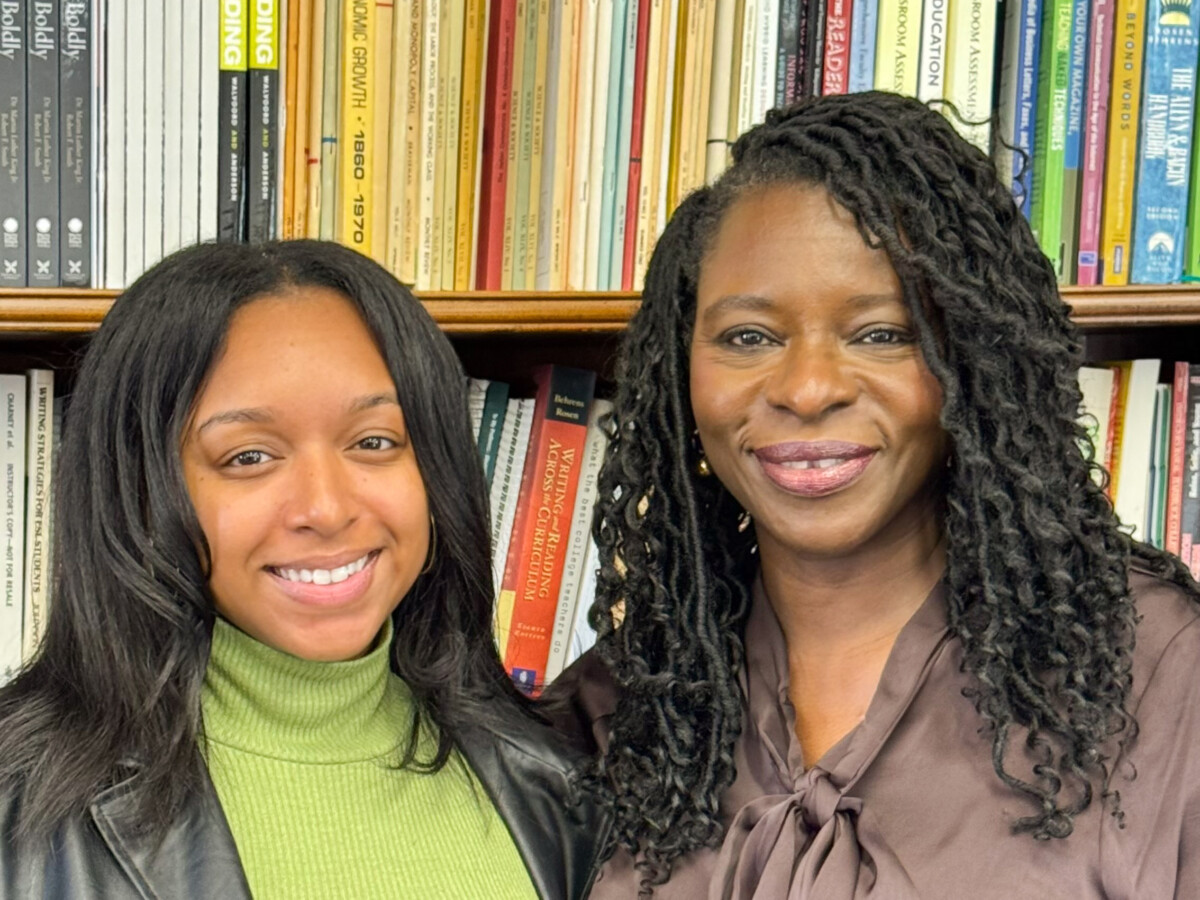
Brandes’ plans for the next generation extended beyond a single hire. Through internships, she hoped to introduce more Black students to the work behind the books.
HBCUs offered a place to begin. Her husband attended Howard, and she considers the institutions among the bedrocks of Black American life.
Howard’s own publishing history includes its former university press, which published works such as Walter Rodney’s “How Europe Underdeveloped Africa.” In 2021, the university announced a collaboration with Columbia University Press to publish Black studies scholarship and develop opportunities for recent HBCU graduates to enter publishing.
Jacaranda’s recruitment effort comes amid limited Black representation in the industry. Lee & Low Books’ 2023 Diversity Baseline Survey of the North American publishing workforce found that 5.3% of respondents identified as Black, African American or Afro-Caribbean. At the executive level, including board members, the figure was 4.3%.
Who makes editorial decisions matters, said journalist, publisher and Howard journalism instructor Hazel Trice Edney. Black media owners draw on specific experiences within their families and communities when recognizing stories worth telling.
“You know the story like nobody else, because you’ve experienced the story like nobody else,” Edney said.
A Way Into the Business
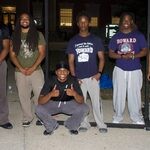
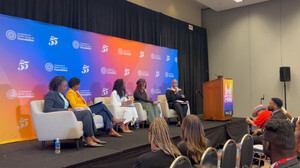
At Howard’s “Beyond Books: Conversations & Opportunities” session, students saw different ways their interests could translate into publishing careers.
Alacia Williams, a senior public relations major and English minor from Memphis, Tennessee, was drawn to marketing. Hearing about book events and influencer partnerships helped her connect the business to lessons from her classes.
An internship with Jacaranda would offer Williams her first publishing experience as she considers her post-graduation options.
“I agree with the sentiment that it’s really hard for people who look like us to get into this market,” Williams said.
Sloan Shackelford, a junior political science major with minors in Russian and English, had already applied to large and small publishing houses. She hopes to work in editorial and believes her English coursework has helped sharpen her literary judgment.
Jacaranda’s connections across the diaspora also appealed to Shackelford, who is from Canton, Michigan.
“I’m really interested in, like, Black British culture because I find it so, like, it’s so interconnected with us, but we’re always fighting on the Internet for some reason,” Shackelford said.
She wanted to help publish work that brings those communities into conversation.
Hernandez said the company hopes to offer five virtual internships in each fall and spring semester through federal work-study arrangements. Those placements would depend on schools agreeing to participate, and formal agreements with HBCUs are still developing.
A separate paid summer program in London could begin with one or two interns. Hernandez did not specify compensation and said students would cover their own travel and housing.
Brandes described the London internship as a chance to move among sales, marketing, production and editorial, discovering work students might not have considered.
“Some people come in thinking they want to be editors and then realize, ‘Oh no, I’m a marketer,’” she said.
Employment afterward would depend on performance and available positions. When Jacaranda cannot hire an intern, Hernandez said, mentorship could include recommendations and introductions elsewhere in the industry.
Brandes said Jacaranda hired four participants from its British internship program into full-time positions. Asked what would demonstrate success for the HBCU initiative a year from now, she said success would be measured by employment and advancement.
The goal, she said, is “real employment, real opportunities to go up the ladder as well.”
The woman who once published from her kitchen table wants others to have a place in the company she built.
“You have to be able to open the gate and let the next generation in,” Brandes said. “So that’s my dream for Jacaranda: that we have the next generation of Black publishers who have this company that they can take to the next level.”
La Tetra Metts-Owens is a senior reporter for HUNewsService.com. She also covers theater and Prince George’s County.