As South Africa entered the dawn of its democracy, it was among 150 countries at the first United Nations Conference on Environment Development. The conference, commonly known as the Rio Earth Summit, was held in June 1992 to discuss the future of international sustainable development.
While South Africa is making progress toward sustainability, it still has a long way to go. South Africa is the 41th largest economy in the world, but it is the 15th largest carbon emitter.
By contrast, Brazil has the highest share of renewable electricity in the G20 or the Group of 20, which includes both countries and focuses on economic, development and social issues. In 2023, 89% of Brazil’s electricity came from renewables, 60% from hydropower production and 21% from wind and solar, according to a study conducted by Ember, a global energy think tank.
South Africa and Brazil are also part of BRICS, a coalition of five founding countries, including Russia, India and China, with the common goal of growing their economy and allowing an emergence of international institutions separate from Western powers.
Outside of their continued social and economic partnership, both countries have expressed a common interest in becoming world leaders in the renewable energy sector.
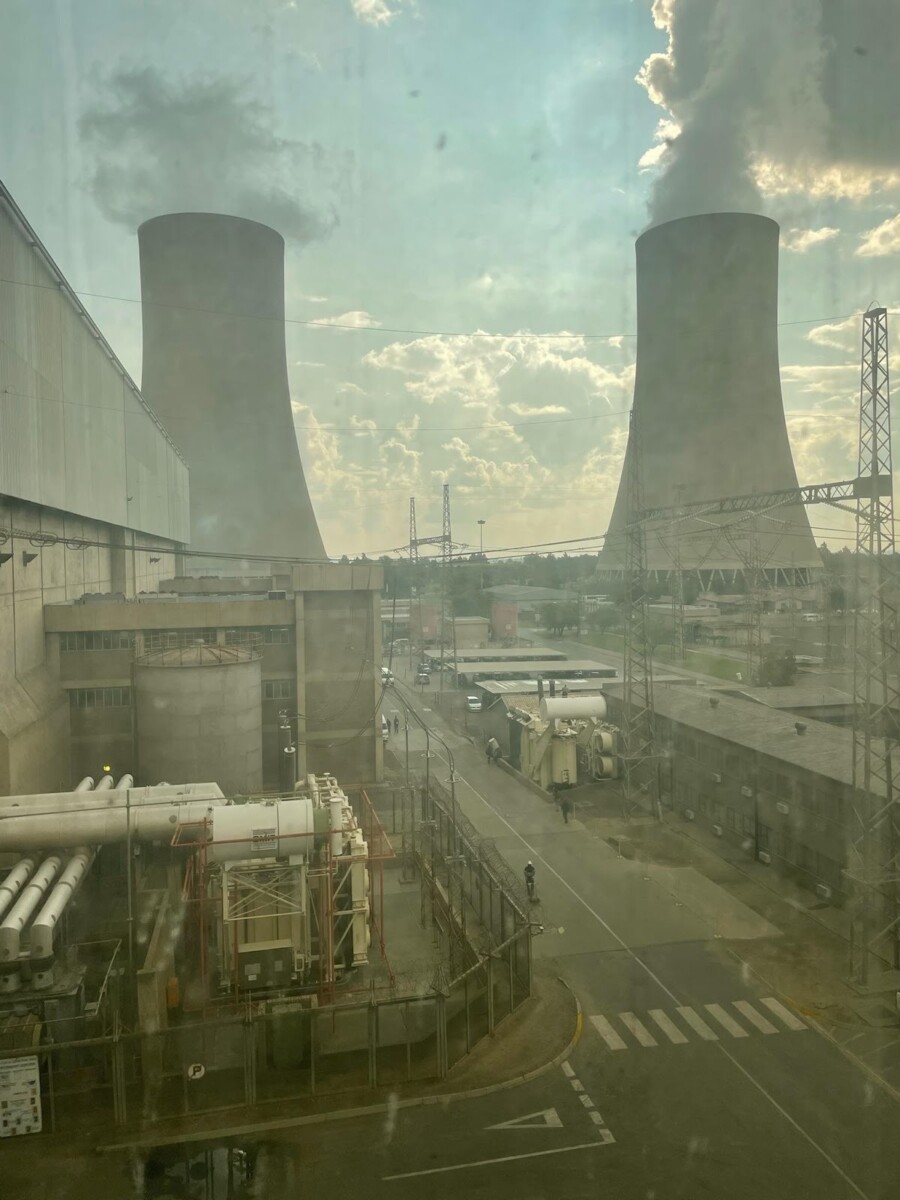
South Africa’s considerable CO2 emission in respect to the country’s economy can be largely attributed to the monopolization of its energy grid by Eskom, one of the largest electrical providers in the world.
According to the International Trade Administration, 85% of the nation’s electricity was produced at coal-fired power stations. Additionally, Eskom CO2 data has identified that 42% of the country’s national greenhouse gas emissions are released through electrical production.
South Africa’s significant reliance on fossil fuels as the primary energy source has contributed to the country’s temperature exceeding the global average, resulting in adverse weather conditions such as heatwaves, droughts, and frequent, intense rainfall.
These environmental shifts are largely reflected in regions such as the province Mpumalanga, one of the poorest and most polluted in the world. The majority of Eskom’s power plants are located here, including the Secunda plant, the largest one in the world. Residents have experienced asthma, cancer and lung ailments linked to pollutants in the smog.
As a result, Eskom is repurposing its power stations to align with the “just transition” of global renewable energy. In this plan, it would replace coal plants with lower or zero greenhouse gas-emitting plants. This plan is primarily focused on a transition to “clean coal.”
The overall plan can be consolidated under the World Energy Trilemma: energy security, energy equity and environmental sustainability.
“The global energy sector is facing unprecedented change as countries strive to decarbonize and shape a more inclusive energy transition as they seek to recover from the economic shocks generated by global events,” Eskom’s executive board said.
Outside of the research and development dedicated to plant decommissioning and clean coal, the country is also divesting to independent power producers (IPPs) as leaders of growth in the wind and solar sectors — sources of energy that Brazil relies on heavily.
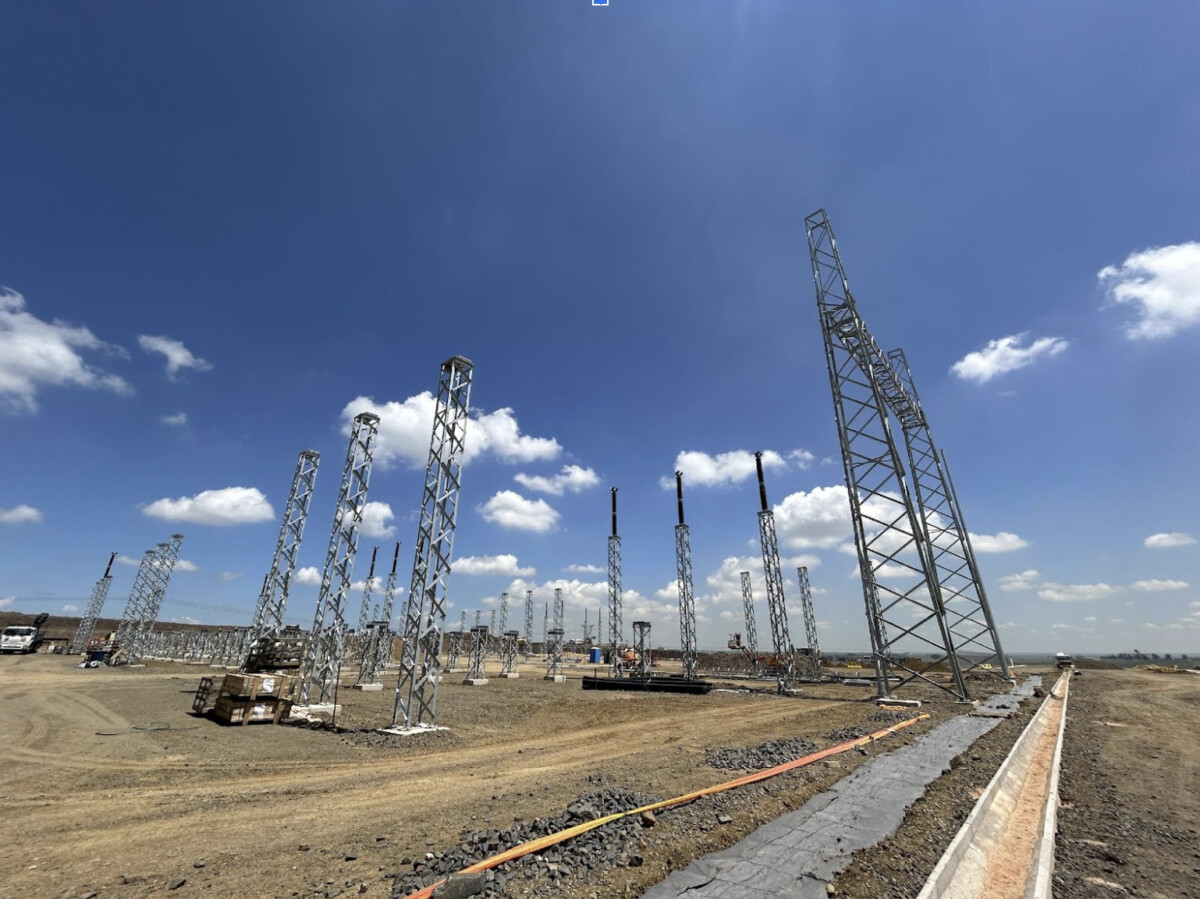
One major IPP in South Africa is the Seriti Green Wind Farm. The company is a subsidiary of Eskom and plans to produce 1.3 gigawatts of energy through its main transmission station in the Mpumalanga province. The company plans to finish constructing the substation by October and fully erect its wind turbines in the next four months. According to the grid manager, the eventual goal of the farm is to connect its substations to the national grid lines replacing the existing transmission stations.
In addition to Seriti Green, other research institutes such as the Council for Scientific and Industrial Research (CSIR) are discussing potential strategies to bolster renewable energy production for the country. For example, the council is developing technology to capture carbon and separate hydrogen atoms in CO2 bonds to further energy production.
Moreover, CSIR is also contributing to wind energy. Its teams have discovered that the South African Exclusive Economic Zone (EEZ) is favorable for offshore wind production.
Looking to the future of renewable energy in South Africa, the government hopes to improve its environment while bolstering the economy. Silas Zimu, the chief of the staff for the Ministry of Energy and the Environment, echoed this sentiment.
“The electricity is the economy,” Zimu said. “There is no country with a good economy where the electricity is bad.”
Donovan McNeal covers environmental issues for HUNewsService.com. He recently traveled to South Africa for a study-abroad program.