WASHINGTON — The African American Civil War Museum reopened Wednesday with expanded exhibition spaces and more than 200 new artifacts, bringing descendants and visitors together to explore the stories of Black soldiers.
“They’re just names until one of the family members show up and tell us the story,” said Frank Smith, Ph.D., founder and executive director of the African American Civil War Museum.
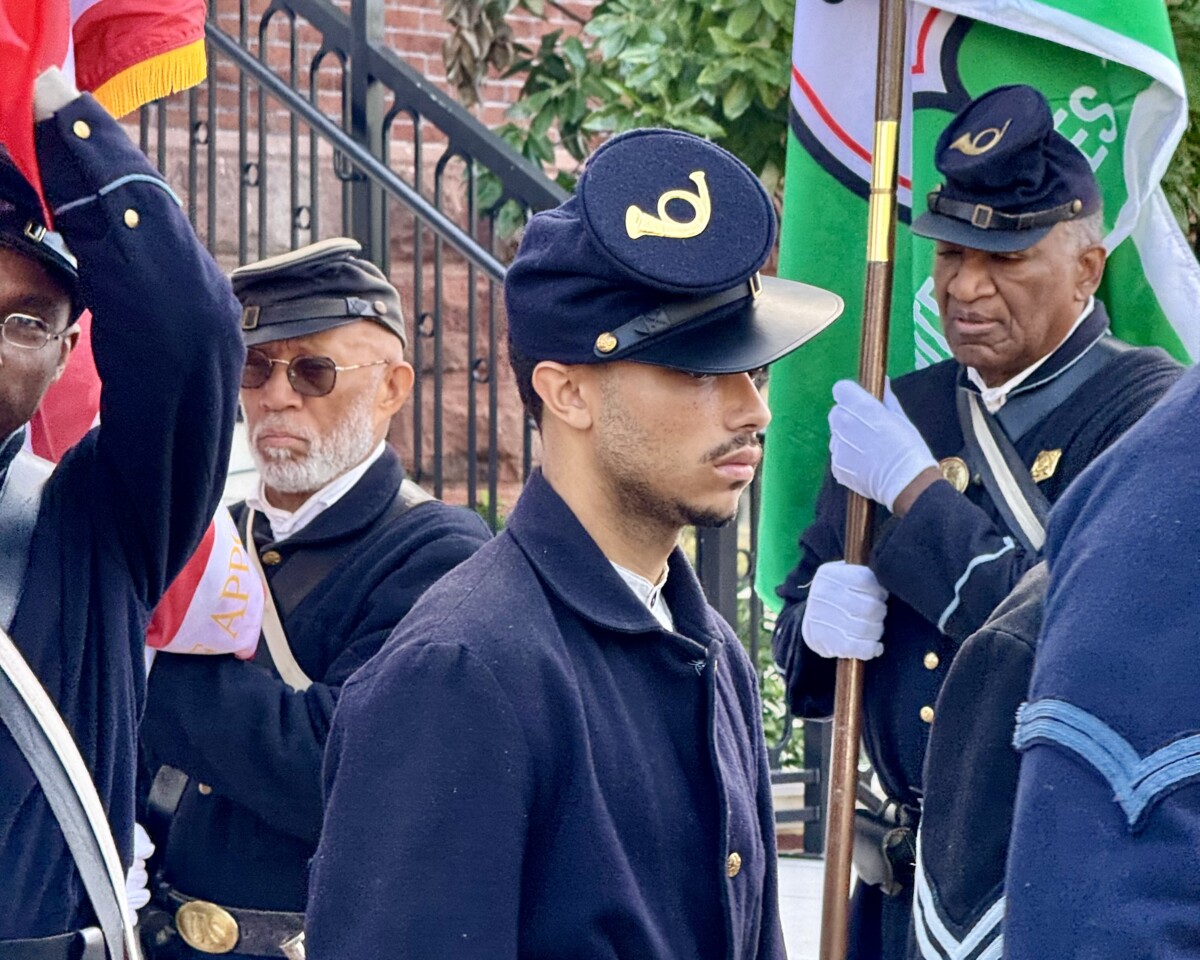
The reopening followed a multiyear renovation and expansion project at the museum’s Vermont Avenue location. According to the museum’s renovation announcement, the project was designed to expand exhibition space, add interactive displays and improve accessibility and visitor amenities. Upon opening the doors, a reenactor was called over to escort visitors who could not use the side entrance’s stairs to an elevator.
The museum, which opened in January 1999, moved to the historic Grimke Building in April 2011.
Museum leaders, community partners and descendants of U.S. Colored Troops gathered for the ceremony.
“We celebrate perseverance, we celebrate memory, and we celebrate a history that has refused to be erased,” said Vedet Coleman-Robinson, president and CEO of the Association of African American Museums.
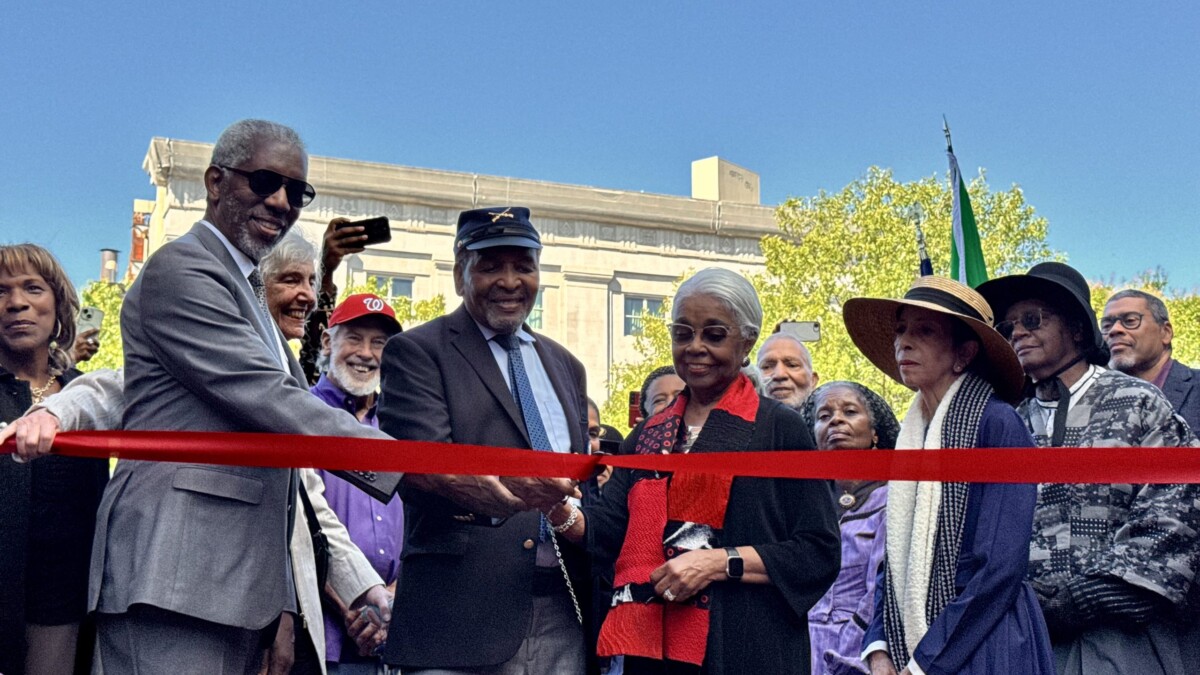
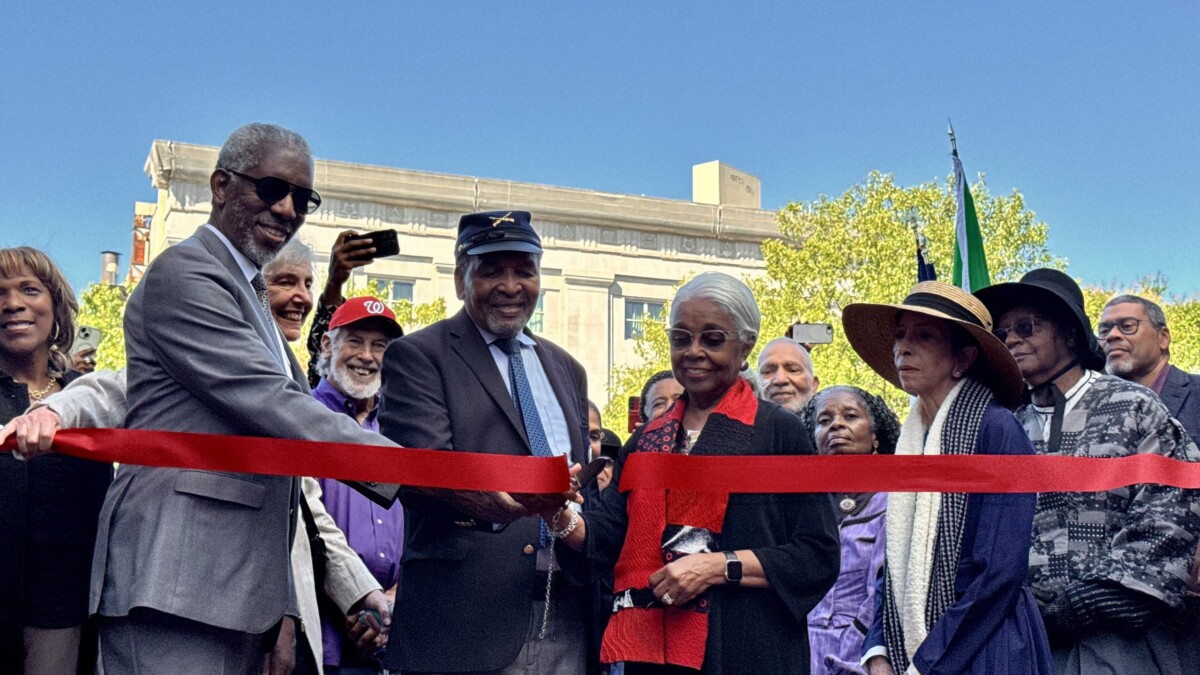
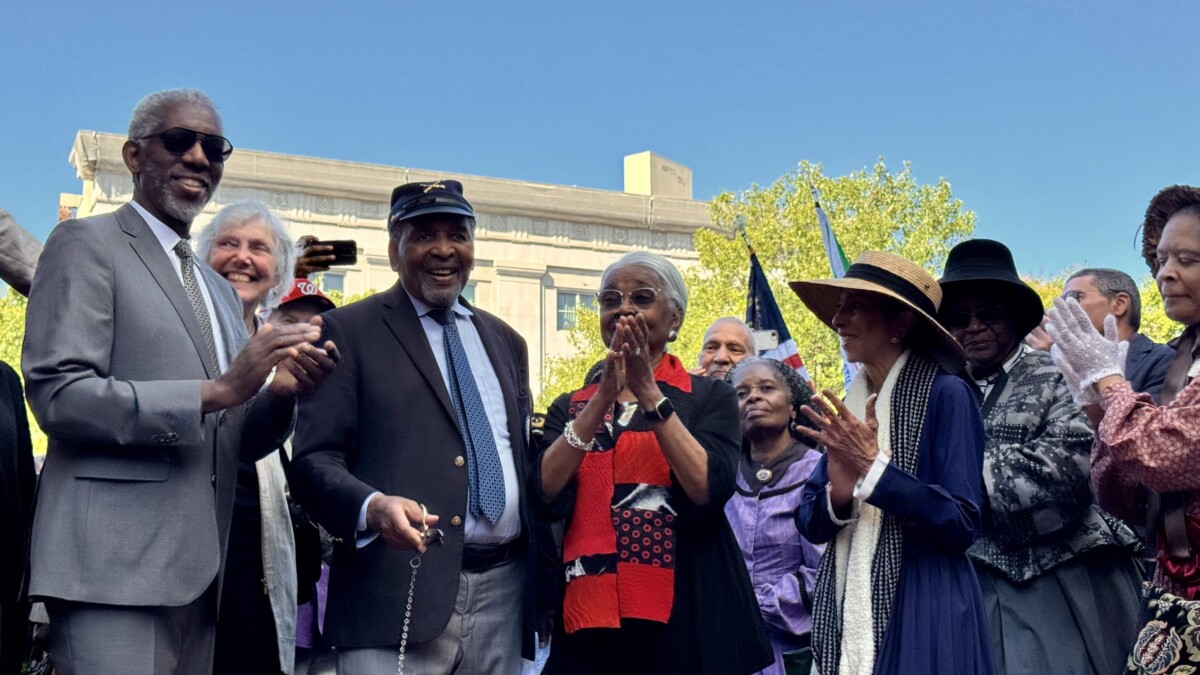
Inside the museum, Smith emphasized how descendants help tell the stories of soldiers honored on the African American Civil War Memorial sharing family histories that military records may not capture.
“If you really want to know the real story, ask some of these people,” Smith told attendees, referring to descendants present at the ceremony.
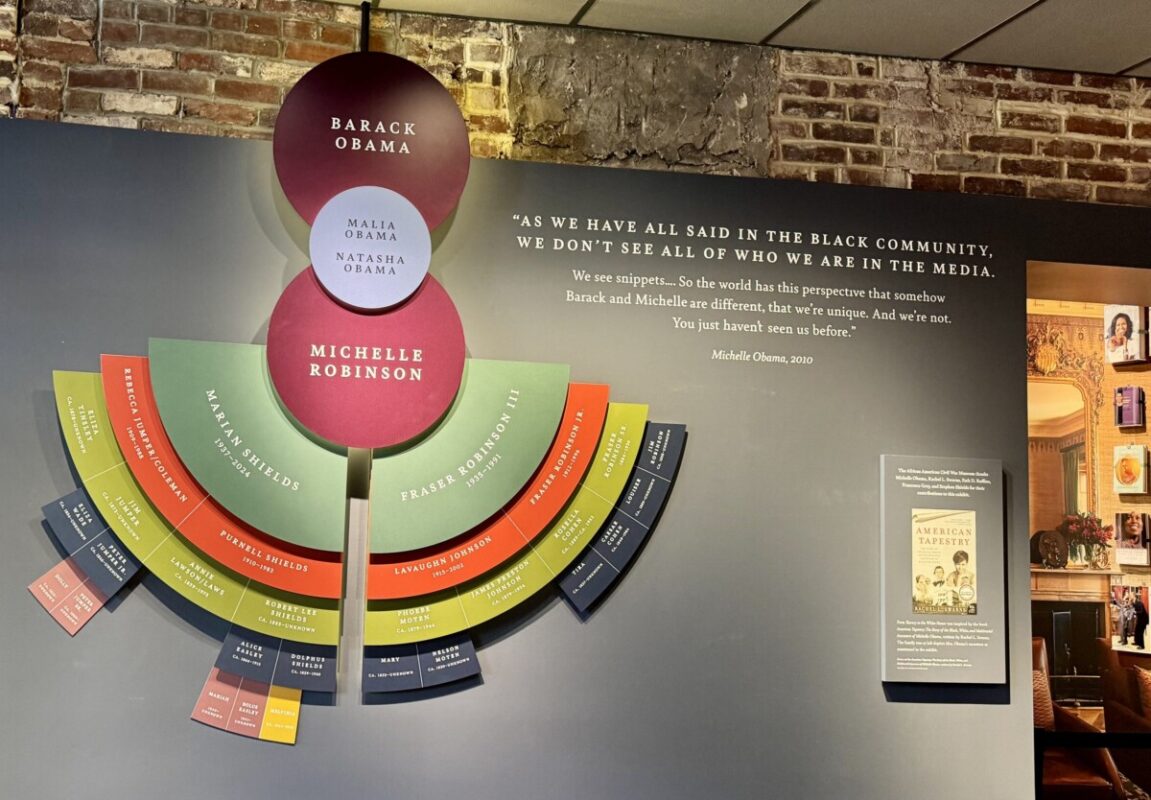
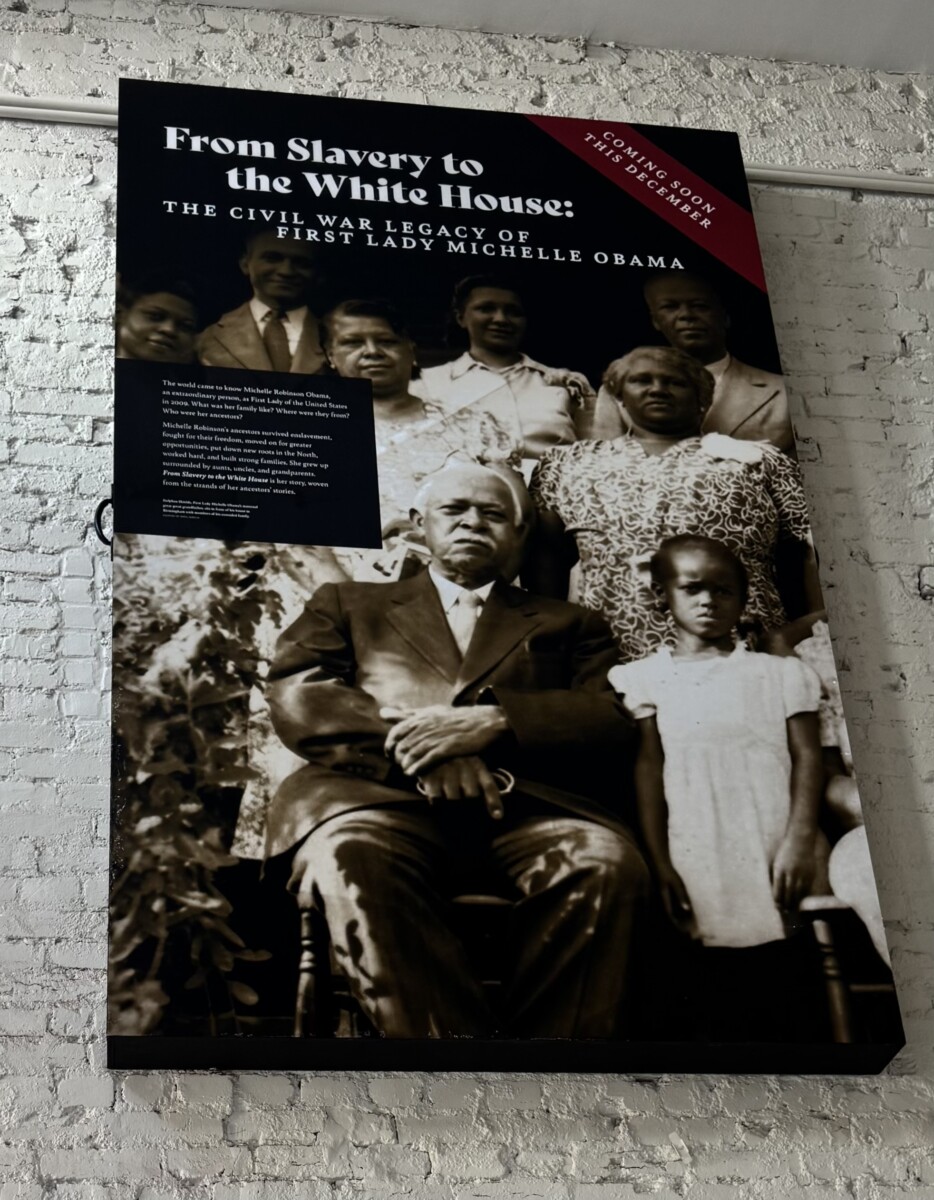
Expanded exhibits include “From Slavery to the White House,” which, according to the museum, explores former first lady Michelle Obama’s connections to formerly enslaved Robinson family ancestors who served with the U.S. Colored Troops.
Although visitors could see the exhibit during Wednesday’s ceremony, Smith said its official public opening would follow a visit by members of the Robinson family. Highly hung signage at the museum entrance listed a December opening.
Dawn Chitty, the museum’s director of education, said visitor feedback helped shape the changes, particularly requests for more artifacts.
“Dr. Smith probably shouldn’t have told me, go find some more stuff in the archives and bring it out,” Chitty said, “because I brought out over 200 new pieces to go into this new space.”
Attendees later sang “Happy Birthday” to Chitty from clusters around the room, their voices out of sync but full of spirit.
For Brenda Alford, the reopening offered an opportunity to explore her family’s Civil War history.
Alford attended as part of her family’s effort to trace the story of her great-grandfather, James Alford, whom her family believes left an enslaved community to join Union forces during the war.
Alford said her family has spent years researching their ancestry through records and DNA testing while trying to learn what happened to James Alfred after he left the Georgia farm where he had been enslaved.
“We’re still trying to find my great-grandfather,” Alford said.
Susan Huhta, a Washington resident, and her niece Lucy Nelligan, visiting from Troy, New York, came seeking a broader understanding of the African American experience of the Civil War.
Their itinerary included Civil War and Black history sites. Huta said they wanted to center the African American experience in their exploration of the war.
Nelligan said the trip revealed layers of history that people might overlook in familiar surroundings.
“There are layers of history that are preserved that, you know, we don’t really look twice at,” she said.
That exploration extends beyond the museum to the surrounding neighborhood’s Black cultural institutions.
Advisory Neighborhood Commission 1B Chair Miguel Delano said the museum is part of a larger effort to connect visitors with the area’s Black cultural history, including Howard University, the Howard Theatre and other historic institutions and businesses.
“People who come here should see that history visually represented,” Delano said.
As the museum opened its doors again, Smith emphasized that preserving and sharing the history of the U.S. Colored Troops requires continued community support.
“We got it open,” Smith said. “Now we got to keep it open.”
La Tetra Metts-Owens is a senior reporter for HUNewsService.com. She covers Prince George’s County and theater.