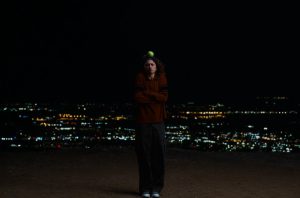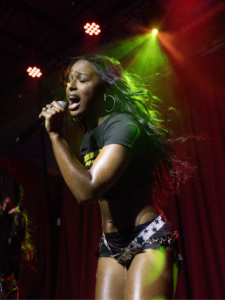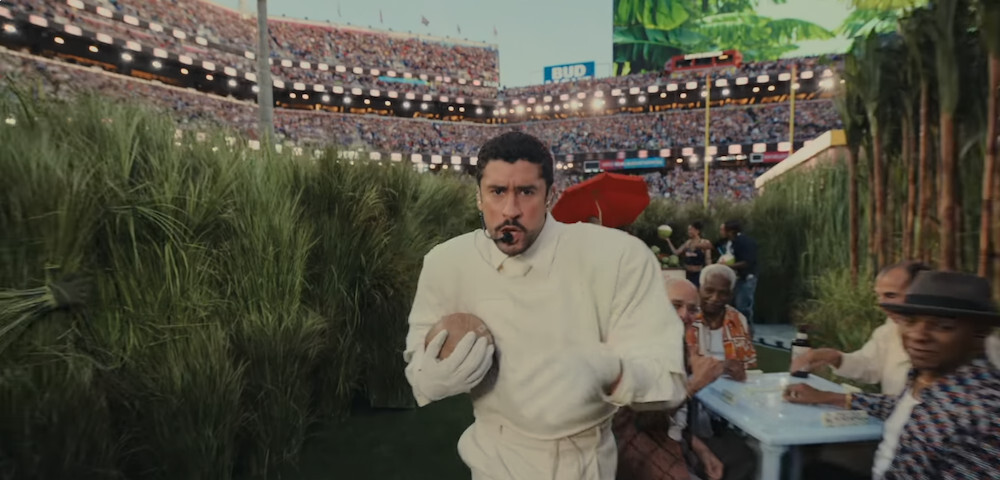
BOWIE, Md. (HUNS) – The highly anticipated NFL Super Bowl between the Seattle Seahawks and the New England Patriots got off to a sluggish, defense-heavy first half that had many viewers at home shifting their attention away from the field and looking forward to the halftime show, headlined by Bad Bunny.
I watched with family and friends in a packed living room, where side conversations and snack runs filled the gaps of slow-paced drives. With a few members of the watch party being of Latino descent, much of the anticipation centered on what Bad Bunny would bring to the stage.
The Puerto Rican artist’s selection as headliner had already sparked political and cultural debate, with critics questioning a Spanish-speaking performer on the NFL’s biggest stage and supporters calling it a milestone for Latino representation.
When halftime began, the energy shifted quickly. Bad Bunny delivered a high intensity, Spanish-language set rooted in reggaeton and Caribbean rhythms, turning the break into a cultural showcase as much as a concert. The performance featured guest appearances by Lady Gaga and Ricky Martin, who is Puerto Rican, as well as several cameos by other Latino artists.
One of the most talked about moments came when Bad Bunny brought a young boy onstage and handed him a Grammy Award. The child was erroneously identified as 5-year-old Liam Conejo Ramos, who recently made headlines after he and his father were detained by immigration officers in Minnesota. They were held at an ICE facility in Texas before being released by court order.
Although the boy turned out not to be Liam, many viewers saw this brief televised moment as a political and cultural statement, linking the performance to ongoing conversations about immigration and Latino families in the United States.
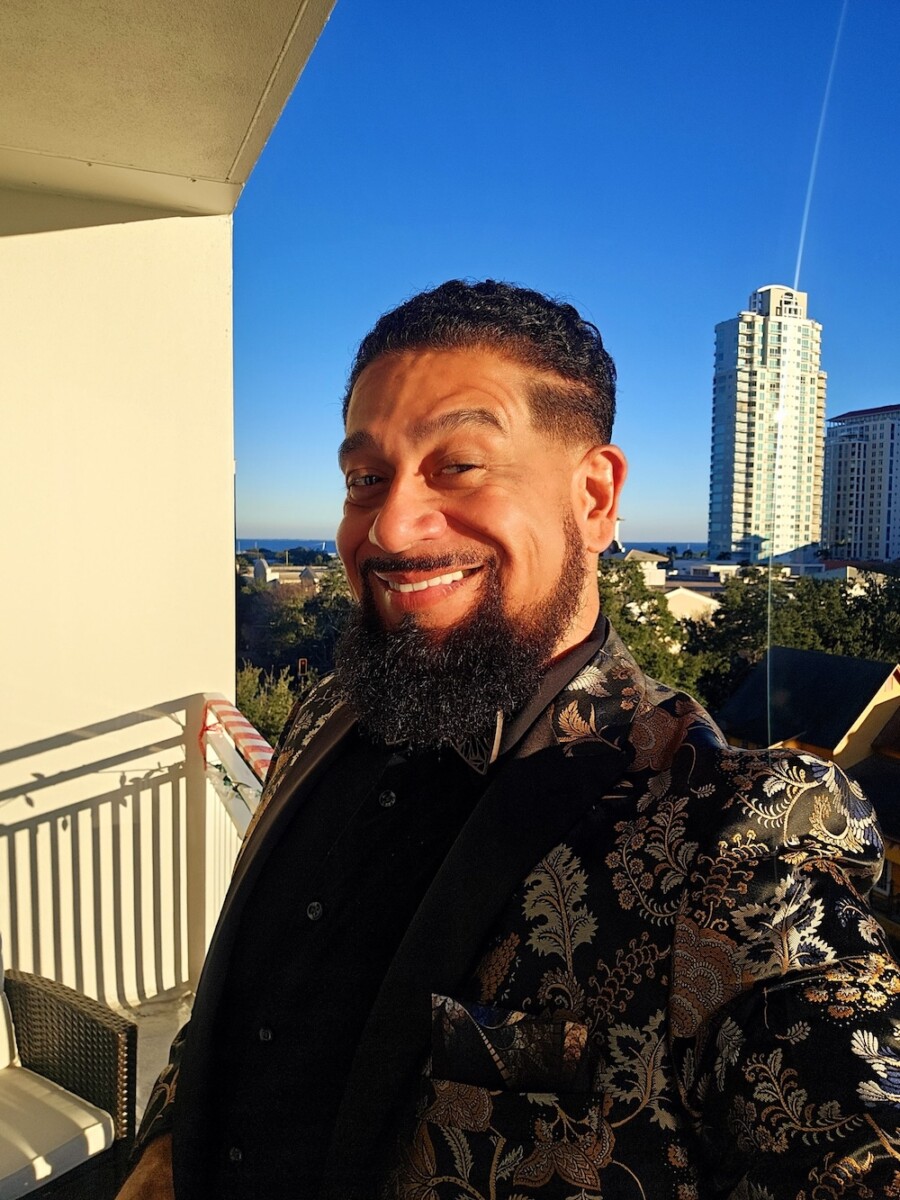
For my godfather, David Solis, who is Costa Rican, the performance went beyond entertainment. “Bad Bunny didn’t just perform at halftime. He made a statement,” he said, calling the show “electric and unapologetically alive.”
Uncle David also described it as “a moment meant not only for Puerto Rico, and it certainly wasn’t limited to one flag or one sound.”
“It felt like a celebration of the Americas as a whole, Puerto Rico, the broader Caribbean, Latin America and North America, all sharing the same rhythm for a few minutes.”
Another viewer at the watch party, Robert Burroughs, a second-generation Puerto Rican, said the show felt personal. Burroughs said he loved that it stayed entirely in Spanish and didn’t “give in to pressure and hate,” calling that decision its own form of protest.
Halftime emerged as the night’s defining moment, highlighting how music, identity and representation can command as much attention as the championship on the field.
Tyler Allard is a student in the Hampton University Scripps Howard School of Journalism and Communications