
Why So Much Water and Energy?
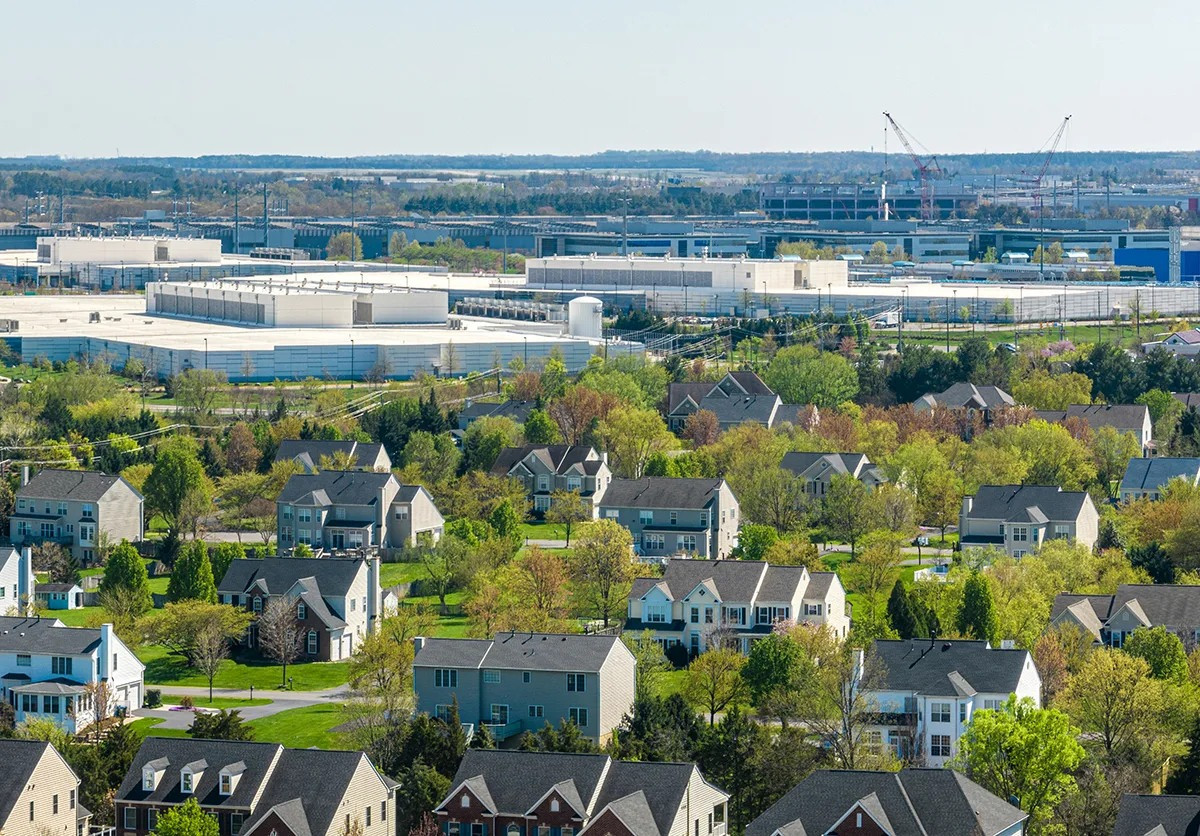
The reason data centers consume so many resources comes down to heat. Servers generate enormous amounts of heat when processing data. To prevent system failure, facilities rely on advanced cooling systems, many of which use water-based cooling towers. In some cases, water is evaporated during the cooling process, meaning it cannot always be fully recycled.
“It’s surprising how much goes into keeping these systems running,” said Xavier Sharp, a senior architecture major at Howard University, who is familiar with infrastructure development. “Most people don’t realize that something as simple as streaming or using AI has a physical cost.”
While some companies are investing in water recycling technologies and more efficient cooling systems, those solutions are not yet universal. This leaves communities asking whether the environmental trade-offs are worth it.
Beyond water use, data centers place heavy demand on local power grids. Because they operate 24/7, they require a constant and reliable energy supply. According to the Electric Power Research Institute, this demand can force utilities to upgrade infrastructure, sometimes passing those costs onto residents.
“Data centers don’t just use energy; they reshape how energy is distributed,” an EPRI report notes.
On the ground, the impact isn’t always dramatic blackouts. More often, it shows up in subtler ways: rising electricity bills, increased strain during peak usage times or long-term infrastructure changes that shift how energy is allocated.
“It feels indirect, but it adds up,” one D.C.-area resident said. “You may not see the data center every day, but you feel it when your bill increases.”
Data centers also raise concerns about privacy and surveillance. Because these facilities store massive amounts of data, they are often associated with fears about how personal information is collected and used. Organizations like the Electronic Frontier Foundation have highlighted ongoing public concern about data privacy and digital surveillance.
However, many data center operators argue that they do not directly control user data. Instead, they provide storage and infrastructure for companies that manage platforms and services.
Still, the perception remains.
“It’s not just about the building; it’s about what’s inside,” said Zyon Meakens, a senior advertising major. “There’s always a question of who has access to that data.”
To address these concerns, some companies have increased transparency efforts, publishing sustainability reports and outlining data protection practices. But for many residents, trust remains an open question.
Industry leaders often emphasize their role in enabling modern life. From powering remote work to supporting AI innovation, companies argue that data centers are essential infrastructure. Many have also committed to sustainability goals, including renewable energy use and water reduction initiatives.
Tech companies like Google and Microsoft have publicly pledged to become more environmentally sustainable, investing in carbon reduction and water replenishment programs.
Still, critics argue that these efforts, while important, may not fully offset the local impact on communities.