The Evolution and Expansion of Data Centers
Data centers have a long history in the United States. In the mid-20th century, early computers filled entire rooms and were mainly used by large corporations and government institutions, according to “Data Centers 101: The Evolution of DCs Over Time,” a report by Impact Capital Partners. As the internet grew in the 1990s and early 2000s, the need for digital storage expanded quickly, leading to the development of dedicated server facilities.
Today, companies like Amazon Web Services, Google and Microsoft have reshaped how data centers operate by introducing virtualization and scalable cloud computing. Instead of relying on physical servers alone, companies can now rent computing power and storage on demand. This shift has led to the rise of hyperscale data centers, which can house hundreds of thousands of servers in a single facility, the data center report noted.
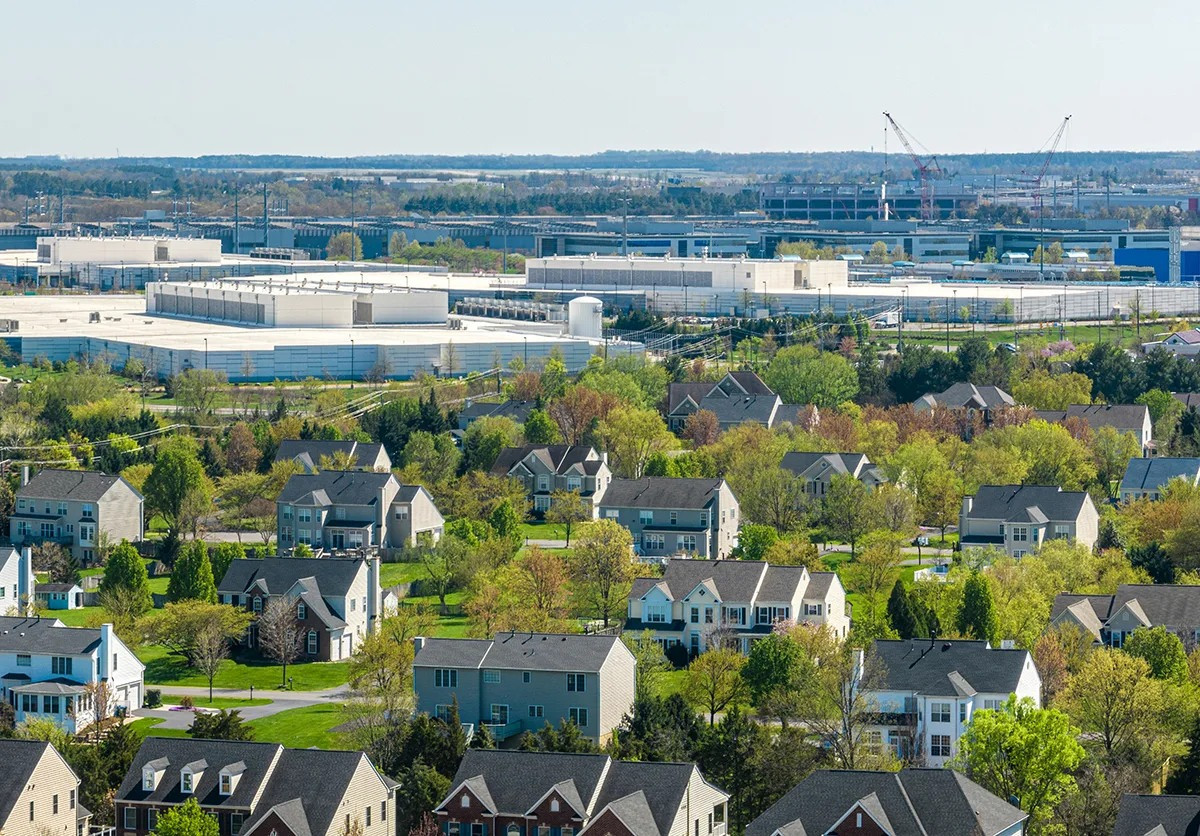
Northern Virginia, often referred to as “Data Center Alley,” is one of the most significant data center markets in the world. Loudoun County alone is estimated to handle a substantial portion of global internet traffic due to its dense concentration of server farms and fiber-optic networks. The region’s proximity to federal agencies, access to reliable energy and established infrastructure have made it an ideal location for continued expansion.
According to the Loudoun County administrator’s office, over 25 million square feet of data centers are in operation. Additionally, more than 100 data centers are based in the region. As the epicenter for data centers, Virginia has made the DMV a central point in ongoing debates about technology, development and its impact on local communities.
Supporters of data center growth point to the economic benefits these facilities bring. Data centers generate significant tax revenue, which can support public services such as schools and transportation. They also create jobs in construction, maintenance and engineering. In a region like the DMV, where technology and government are closely connected, data centers are often viewed as essential to economic development and innovation.
“I use technology pretty much every day for mostly everything I do,” says Kuno Calendar, a computer science major at Howard University. “When you think about it, data centers are really the cornerstone of everything we get to do online”
However, these benefits become more complicated as the rapid expansion of data centers raises concerns among residents and environmental advocates about everything from energy demand to long-term sustainability.
Data centers in the United States used approximately 176 terawatt-hours of electricity in 2023 alone, according to the U.S. Congress and a report from Lawrence Berkeley National Laboratory. This accounted for about 4.4% of U.S. electricity consumption that year.
In addition to the added pressure on local power grids, data centers take up a great deal of space. In parts of Virginia, proposed developments have sparked debate among residents who feel that the rapid growth is changing their neighborhoods — a situation that residents in places like Prince Georges County, Maryland, want to avoid.
“Data centers shouldn’t come at the expense of communities,” said Margot Brown of the Environmental Defense Fund.
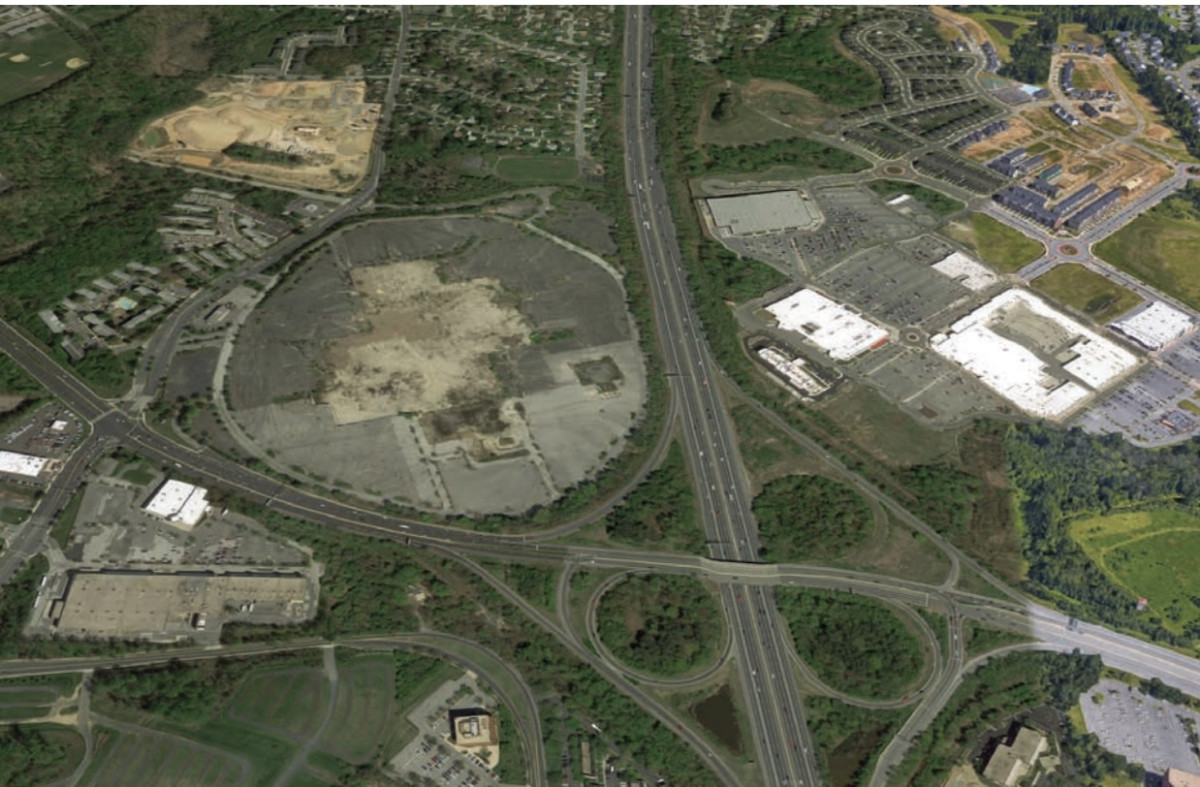
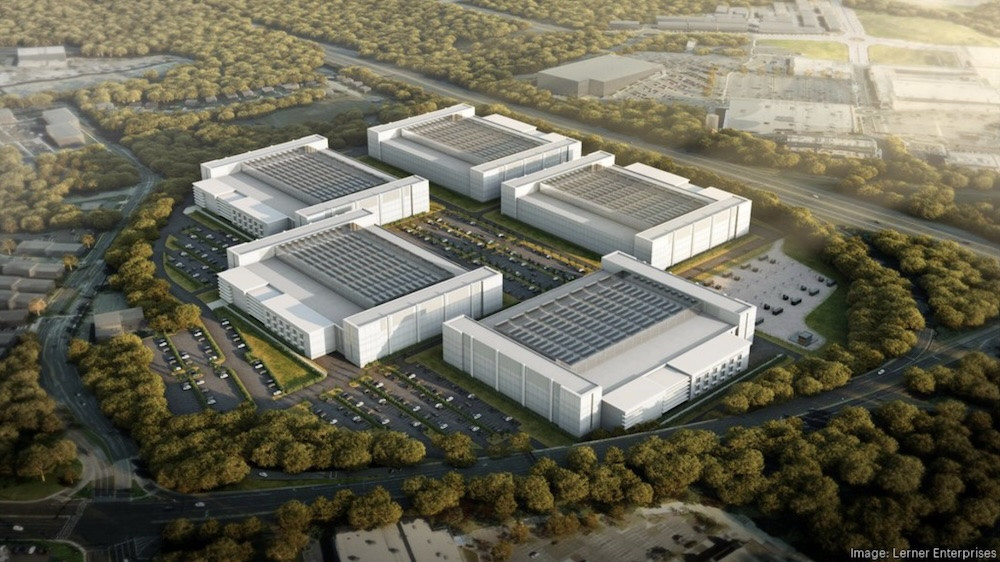
Many advocates argue that investors in these data centers need to pay greater attention to their long-term impact. Taylor Frazier McCollum, who is fighting against a planned data center at the old Landover Mall in Maryland, shares her personal fears.
“I’m concerned that if this data center opens up, will this bring back my asthma?” McCollum speaks up for healthier practices, renewable energy use, stricter regulations and increased transparency from companies.
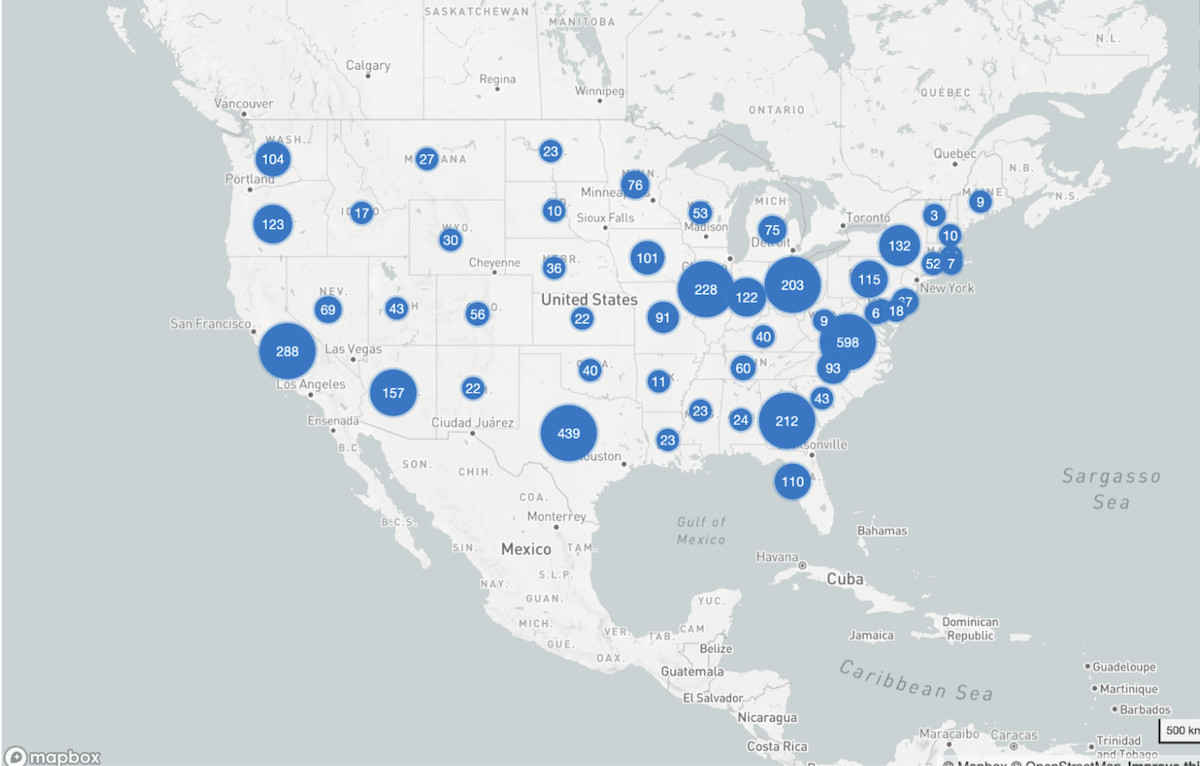
Developers are increasingly targeting rural areas, especially in the South. Places like the Carolinas, Alabama, Georgia, Louisiana, Mississippi, Tennessee and Texas have already become key locations for new projects.
Texas is projected to take Virginia’s place and become the largest home for data centers in the country over the next two years, according to the 2026 Data Center Power Report from Bloom Energy. The Silicon Valley-based company provides fuel cells for onsite electricity at data centers, utilities, semiconductor manufacturers and other large corporations.
Expansion is at an all-time high for data centers, although roughly 42% of Americans already live near an existing or planned data center, according to the Pew Research Center. “Virginia and Texas have the most planned data centers (287 and 170, respectively),” Pew researchers Skyler Seets and Kaitlyn Radde said. “They are followed by Georgia (141), Illinois (123) and Arizona (86).”
The expansion of these centers reflects a larger shift towards a more digitally dependent society. These facilities support the systems people use every day, but ongoing debates aim to encourage communities and policymakers to think carefully about the impact of digital growth.