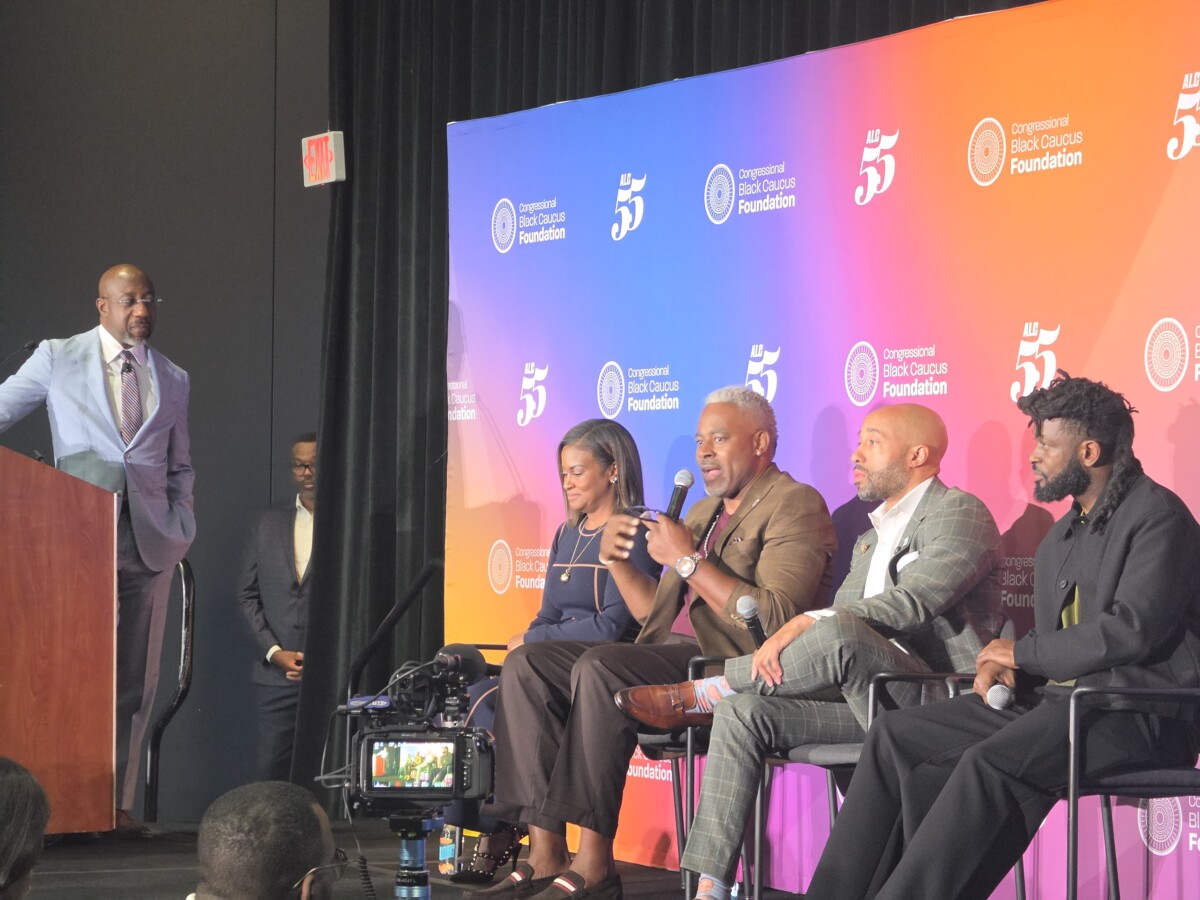
WASHINGTON (HUNS) – On day two of the 55th Congressional Black Caucus Foundation’s Annual Legislative Conference, U.S. Senator Rev. Raphael Warnock moderated a panel on the importance of Black fatherhood in the context of maternal mortality rates.
In the session “Beyond the Statistics: A Conversation on Black Fathers Protecting Black Motherhood,” Warnock brought together four panelists — Dr. Lynne Lightfoote, an OB-GYN; Lamman Rucker, an actor and activist; Charles Johnson, founder of 4Kira4Moms; and Omari Maynard, artist and founder of the ARIAH Foundation — all of whom have personal and work experiences directly related to maternal mortality. The panel was a way to bring awareness and support to the Dads Matter Act that Warnock introduced to the Senate last June, and remains in the Committee on Health, Education, Labor and Pensions. It calls for a public campaign to increase awareness of the importance of including fathers in maternal-related healthcare.
“Black fathers can join the fight to protect Black mothers and end the maternal health crisis,” Warnock said at the start of the session. “There’s no reason for the United States of America…to have the kind of maternal mortality rate that we have.”
In the U.S., there are 17.9 deaths per 100,000 live births and for Black women, that number increases to 44.8 deaths — over double the rate for any other racial group, according to 2024 data by the Centers for Disease Control and Prevention.
The discussion touched on multiple topics, including misconceptions and grief, but the lived experiences shared resonated most with the audience, going beyond the numbers.
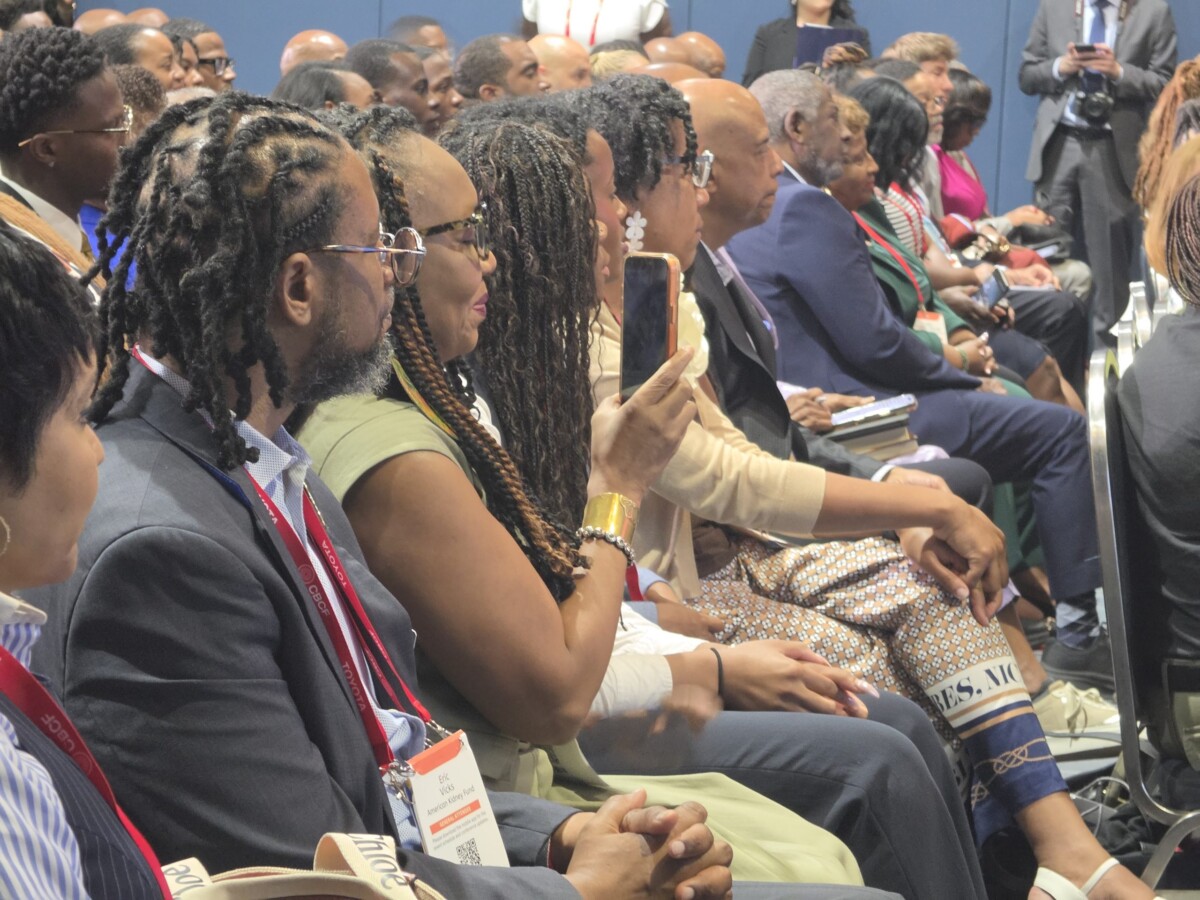
Rita Venable came to the panel from Indiana as a 33-year member of the National Coalition of 100 Black Women — an organization that advocates for health, education and economic empowerment.
“We hear women’s stories, but a lot of the time we don’t hear the father’s side,” she said. “If the baby passes, then both of them are left to deal with the mortality of the child, not just the mother.”
During the panel, Lightfoote, an OB-GYN in Maryland, said medical providers focus on the mothers, who are their patients. However, that does not mean fathers should be excluded from the conversations, she said.
Black women, she said, often are accustomed to dismissing their symptoms. Input from fathers in medical discussions can be helpful. A mother may tell the doctor she has experienced no bodily changes, she said, but a father can point out that her feet are swollen when they weren’t hours before.
“Doctors should be comfortable hearing it from the father [also] and the father should be comfortable saying it,” Lightfoote said.
Janae Jackson, a nursing student at Morgan State University, said the panel was enlightening as she began to consider a man’s role in maternal health. She said she appreciated the discussion on how some people assume Black men aren’t at the bedside in the hospital because they are not around or are not alive, but sometimes they are simply at work.
“It was really inspirational…hearing them speak about thinking about other factors that happen in Black people’s lives that may prompt them to not be at the bedside of their wives,” Jackson said. “[Don’t] automatically think the negative; always think about the positive when it comes to maternal health.”
One father in the audience, Demmentrice Jefferson, said he came to the panel not with any expectations but because this conversation is “necessary” to have.
“There’s a difference in kids who have a father and those who don’t,” said Jefferson, the executive director of Think Big Youth Organization — a youth mentorship program in Georgia.
Jefferson recalled how he would visit his daughter’s school to eat lunch with her and some of the other students would make comments about wanting their own fathers to come.
“I started eating with the whole class and became the class father,” he said.
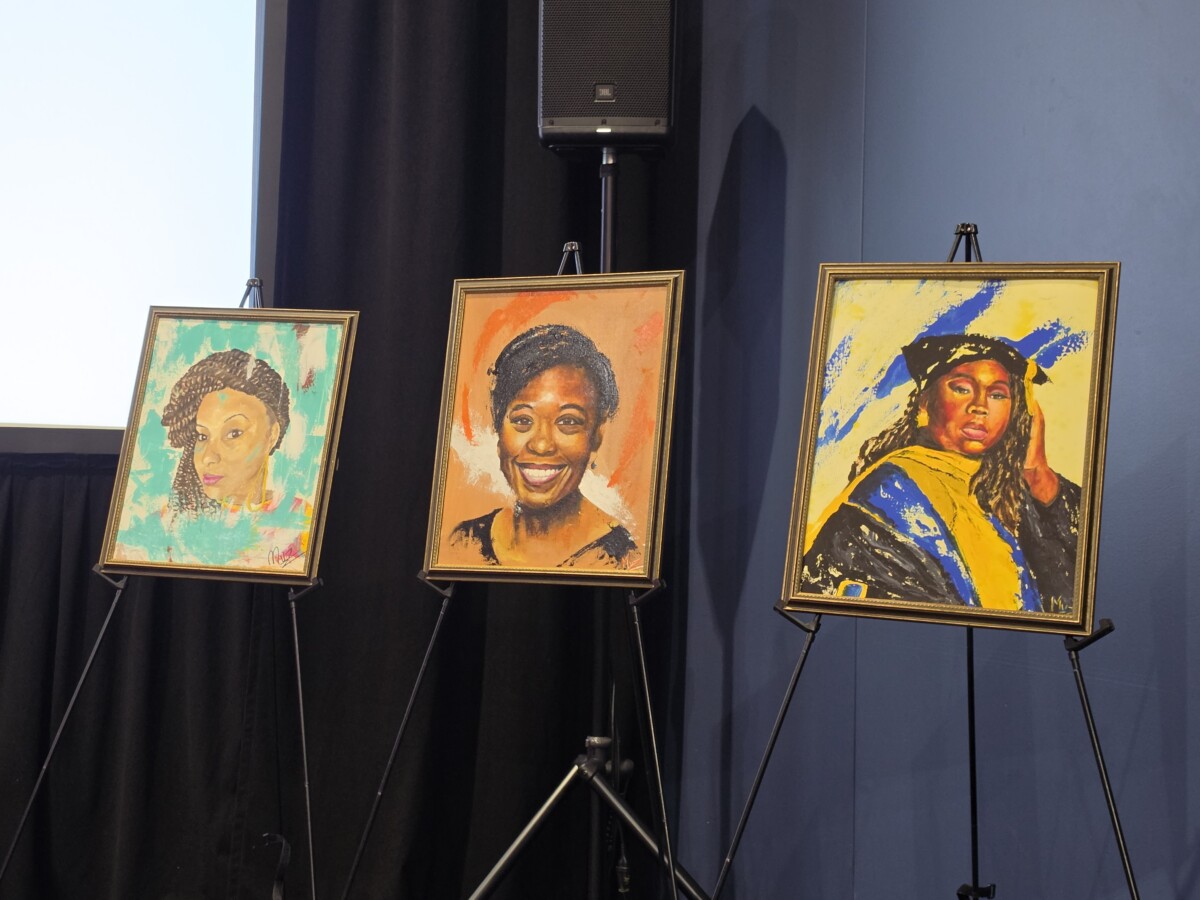
A recurring theme throughout the panel discussion was finding purpose after grief. For Maynard, a panelist who lost his wife 13 days after giving birth to their second child, he said he found his purpose in painting women who died due to maternal health complications.
He gives the paintings to families as a way to keep their names alive and beyond the statistics, but still, more needs to be done, he said.
“We can talk about these stories all day long but if there’s not policy and legislation behind it, we can’t move the needle in the way that we need to,” Maynard said.
Myla S. Roundy is a senior reporter for HUNewsService.com covering Ward 5 and social issues. She is also the managing editor of The Hilltop at Howard University.