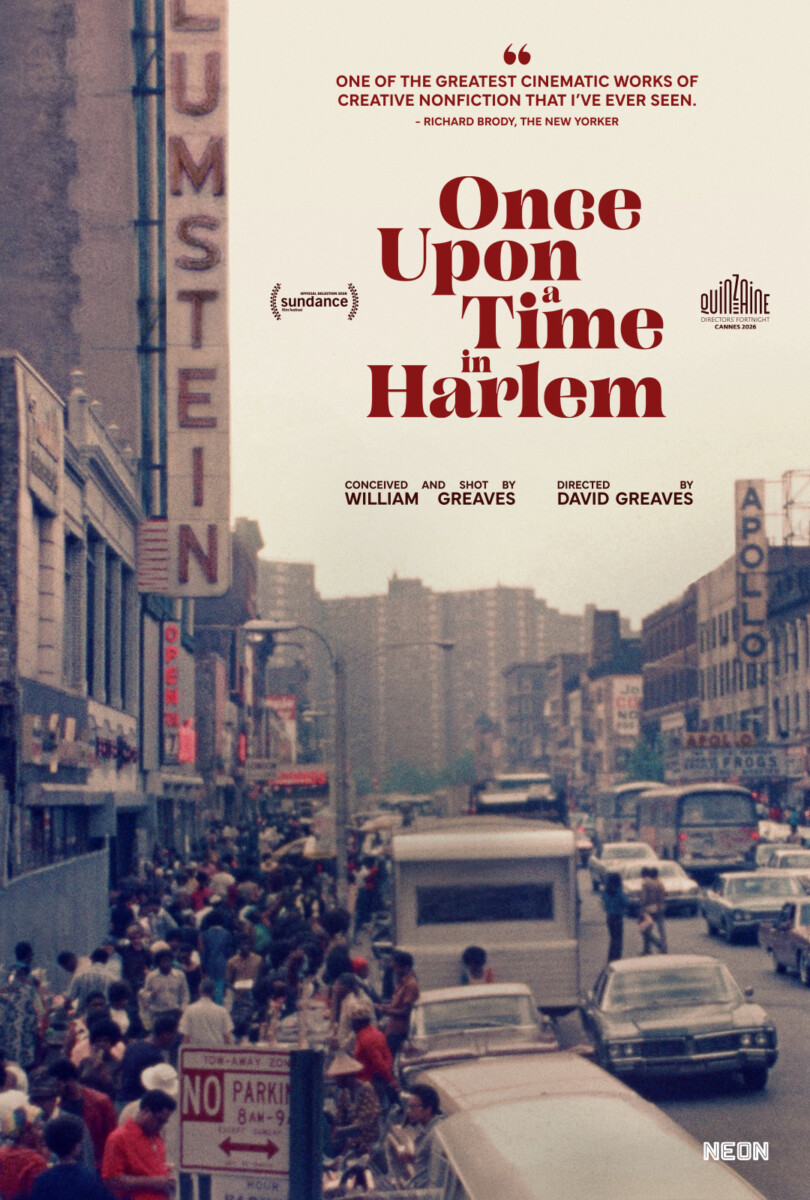
More than five decades after William Greaves gathered the voices of the Harlem Renaissance, his long-unfinished documentary allows the people who shaped a cultural movement to reconsider its legacy in their own words.
History has a way of making people seem more certain about their place in it than they ever were while living it.
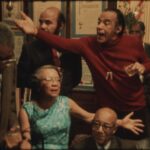
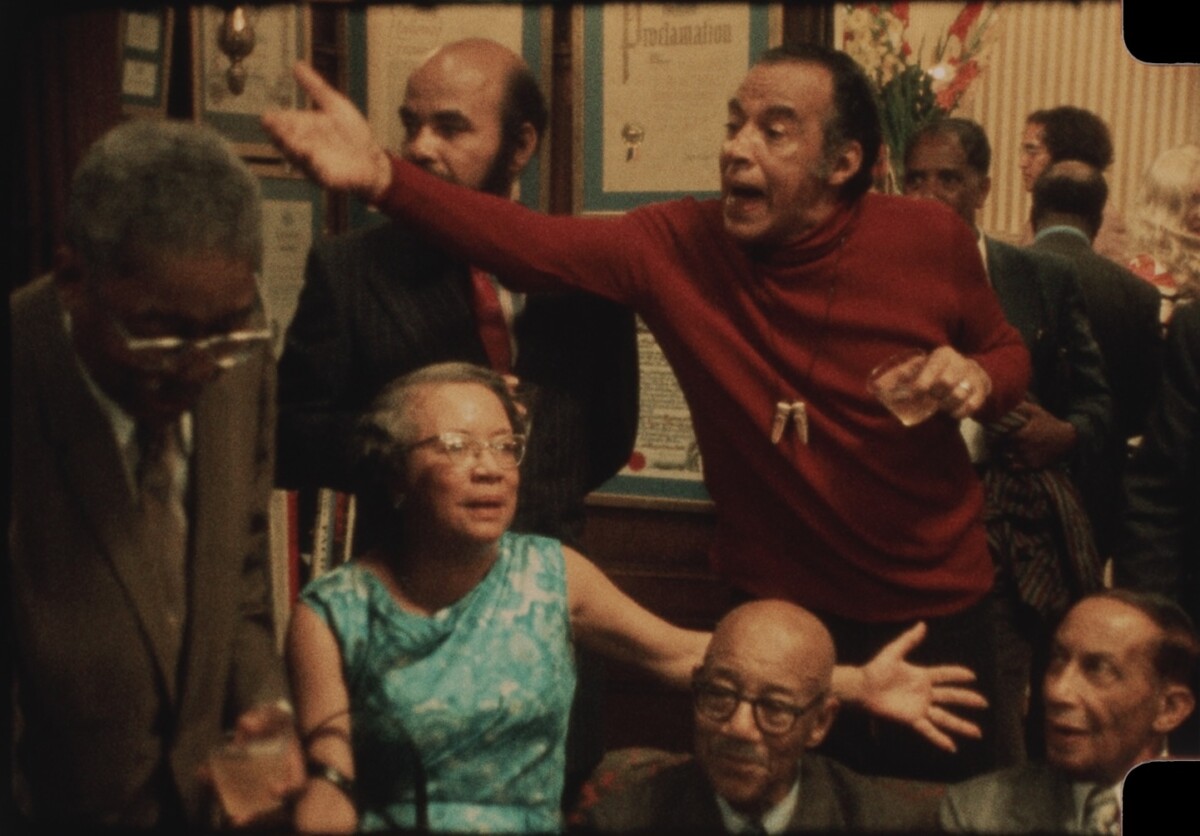
“Once Upon a Time in Harlem” captures the artists, intellectuals and cultural figures of the Harlem Renaissance revisiting and sometimes arguing about the history they helped make.
Filmed in 1972 at Duke Ellington’s Harlem townhouse, the documentary brings together more than two dozen figures associated with one of the most influential periods in Black American cultural history. Among them are photographer James Van Der Zee, artist Romare Bearden, writer Arna Bontemps and librarian and cultural organizer Regina Andrews.
There are no red carpets or grand entrances. These towering figures simply show up for a party. The scene feels remarkably familiar, mirroring the informal gatherings where artists meet, exchange ideas, and build relationships today.
Yet what looks like an ordinary gathering would become an extraordinary historical record, one audiences would wait more than five decades to experience.
Conceived and filmed by William Greaves, the documentary remained unfinished when he died in 2014. David Greaves, his son and a cameraman on the original production, eventually directed the completed film. Liani Greaves, William’s granddaughter, served as producer.
The conversations, however, are not always as harmonious as the gathering initially appears. Writer George Schuyler recalls a disagreement with Langston Hughes over how Black artists should describe themselves. Even the people who helped shape the Harlem Renaissance didn’t always see eye to eye.
Perhaps the film’s most revealing quality is how ordinary the extraordinary appears. What I had understood as a deliberately orchestrated cultural movement begins to look more like a community of people pursuing their passions, influencing one another and creating something larger than themselves. Behind the movement’s celebrated achievements, the documentary reveals the everyday relationships that helped make them possible.
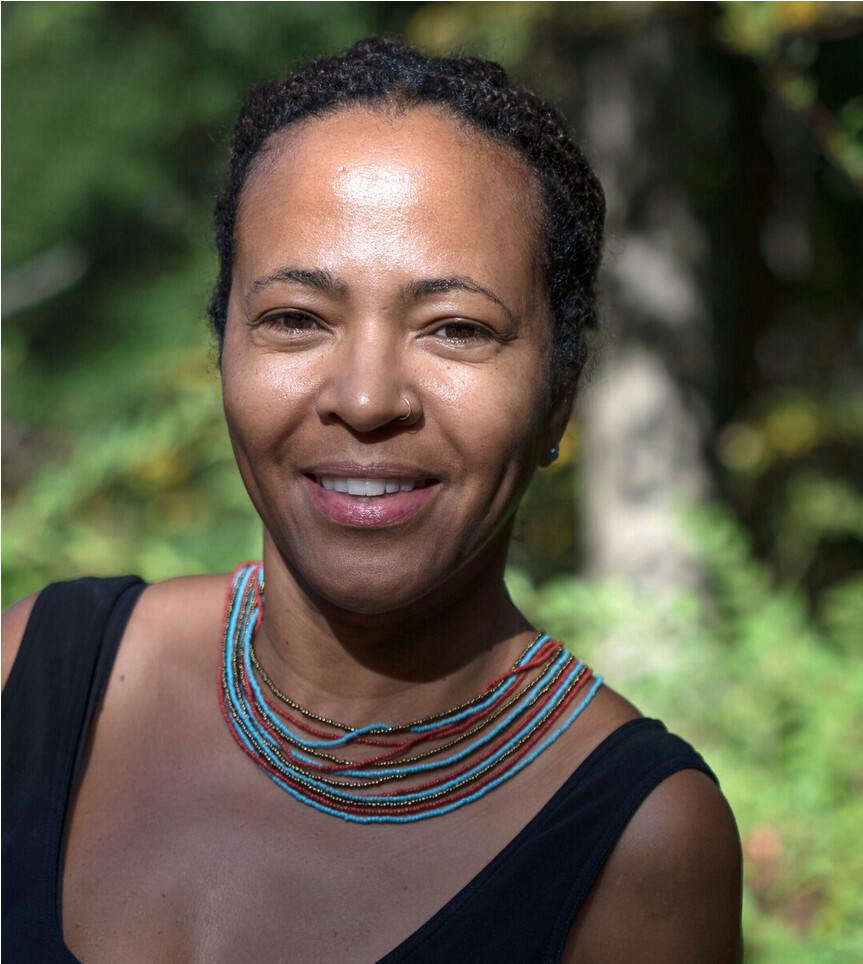
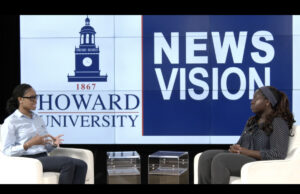
Producer Liani Greaves described the documentary as a “recipe for a renaissance or for an awakening,” during an interview with Howard University News Service. She explained that observing how the participants interacted could offer insight into the conditions that produced such an influential period of Black artistic expression.
What begins as a reflection on the past gradually takes on the intimacy of people speaking among friends, seemingly less concerned with how their words might be remembered. The participants appear increasingly relaxed, their expressions loosening as drinks flow and conversations become more candid. The documentary begins to feel more like a party the viewer has been invited to attend.
The camera is just as attentive to those listening as it is to those speaking. It closes in on subtle reactions: a look of surprise, an expression of agreement or a face that suggests an entirely different recollection. These silent reactions add another layer to the conversation, revealing just how much can be communicated without speaking.
Yet the documentary also makes the viewer conscious of what remains unseen. Sounds and activity from elsewhere in the townhouse suggest other conversations beyond the frame. What is being said in those rooms, and why did the filmmakers choose to preserve one exchange over another? The feeling of being present comes with a reminder that even an apparently spontaneous historical record is shaped by the person holding the camera and, decades later, by those deciding what to show.
Those editorial decisions take on another dimension when considering the documentary’s unusual journey to completion.
William Greaves revisited the project for decades, filming additional material and editing portions of the footage between other assignments, but never completing the documentary.
His wife and creative partner, Louise Greaves, continued the effort after his death, helping secure funding for restoration before she died in 2023.
Liani Greaves said she had known about the footage since childhood, but did not fully appreciate its significance when she first encountered it as a teenager.
Years later, she would become responsible for helping bring that footage to audiences.
“It was really like the baton was just there and it fell and we caught it,” she said.
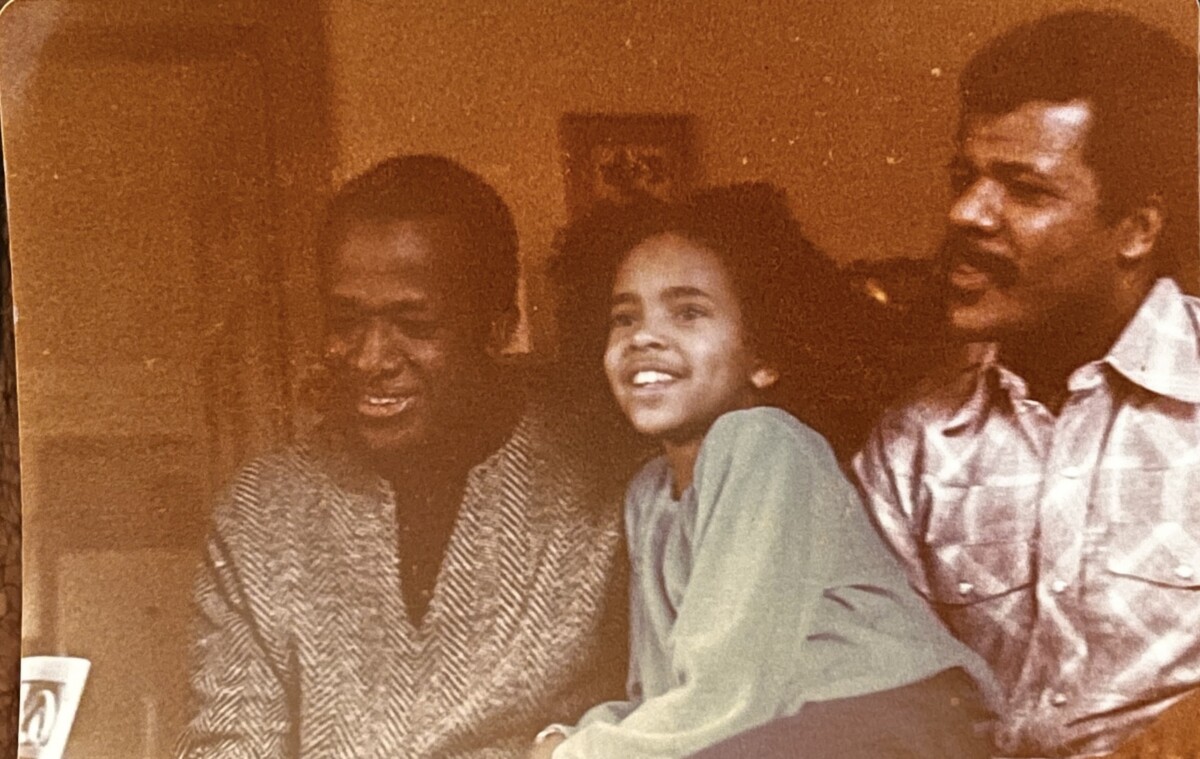
The responsibility, she explained, extended beyond her grandfather. There was also the work of her grandmother and the voices of the people whose conversations had remained on film reels for decades.
Yet completing the documentary did not mean surrendering every creative decision to what William Greaves might have wanted.
Liani acknowledged that her grandfather probably would not have included as much of his own voice and handwriting in the finished work. The filmmakers who inherited the project made those choices.
Her father, who had worked alongside William Greaves in the editing room for years, also drew on a lesson his father had taught him: Pay attention to the material that produces a visceral response.
The result is a documentary shaped by three generations of the Greaves family, each with a different relationship to the footage. William Greaves captured the gathering as it unfolded. His descendants inherited the challenge of presenting those conversations to an audience far removed from the world in which they took place.
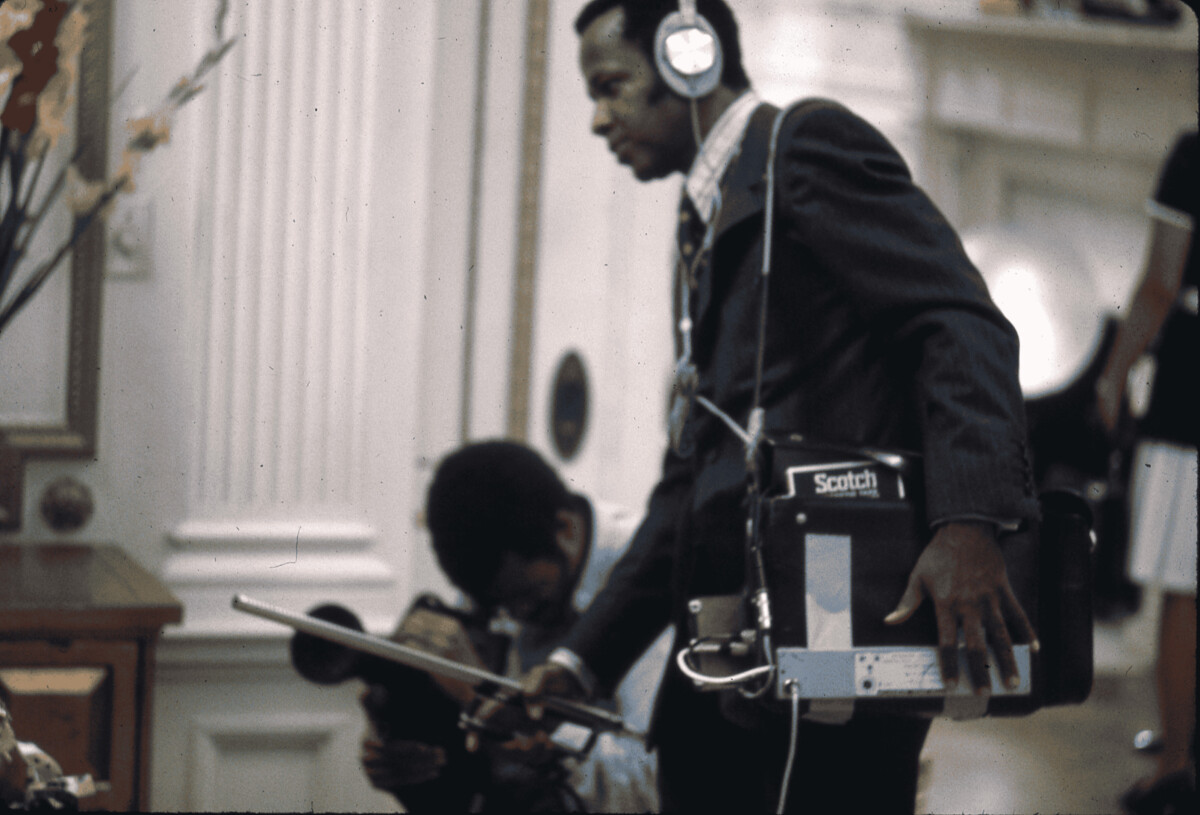
His voice and handwriting serve as recurring reminders that the filmmaker was present at the gathering, observing the people whose history he had come to document. His presence creates a curious parallel with the viewer. Both witnessed a moment in someone else’s story, though neither is entirely separate from the history unfolding before them.
While Greaves documented the lives and legacies of the Harlem Renaissance figures, he also built his own legacy as a filmmaker. His work on the Emmy-winning public affairs program Black Journal helped establish his place in Black filmmaking. Howard University honored him in 2008 through its Paul Robeson Student Awards, followed by a Paul Robeson Award from the Actors’ Equity Foundation in 2012.
The documentary raises a question that extends beyond the people gathered in Ellington’s townhouse: Did Greaves recognize, as he stood behind the camera, that he too would become part of the history future generations would revisit?
His granddaughter, Liani, also recalled Richard Bruce Nugent’s observation about living through history without knowing what it would eventually mean.
When the interview turned to the history being created today, she suggested that even the conversation itself was part of that process.
“This is legacy that we’re doing right now,” she said.
What makes “Once Upon a Time in Harlem” so compelling is that it allows viewers to experience history without the distance it usually comes with. The candid conversations, lingering reactions and intimate atmosphere make it easy to forget that the people on-screen would one day be remembered as historical figures.
But that is precisely what makes the film so fascinating. The people gathered at Ellington’s townhouse were looking back on the history they helped create, never knowing exactly how this gathering would become part of that history, too.
What history are we making now, and would we recognize it if we were sitting in the room?
La Tetra Metts-Owens is a senior reporter for HUNewsService.com, who specializes in the arts.